Photographing a model so that the picture looks like the real thing is a discipline of its own, and it stands or falls on the background. This part of the range covers neutral surfaces that take no attention away from the subject, and scenic bases printed with airfield concrete, racing asphalt or a timber deck. Folding light boxes with their own LED lighting belong here too.
Below we explain how to match a background to the scale of the model and which two or three habits ruin a photograph faster than any camera setting.
 Lightbox Studio
21.96 €
Lightbox Studio
21.96 €
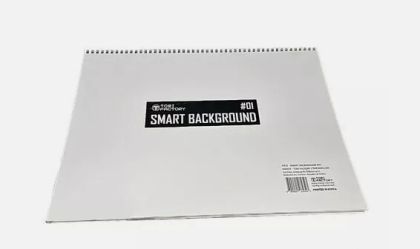
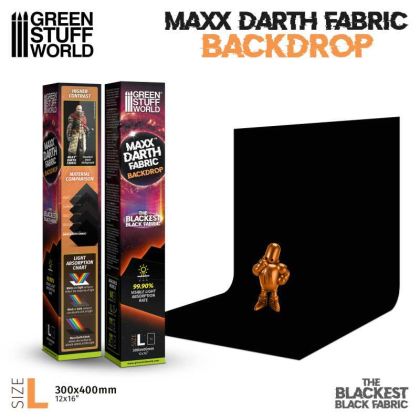 Maxx Darth Black - Photo background 300x400mm
17.96 €
Maxx Darth Black - Photo background 300x400mm
17.96 €
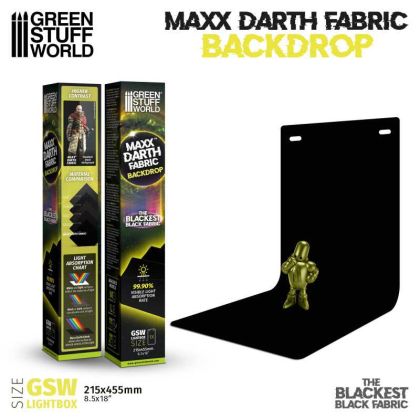 Maxx Darth backdrop - Lightbox
11.16 €
Maxx Darth backdrop - Lightbox
11.16 €
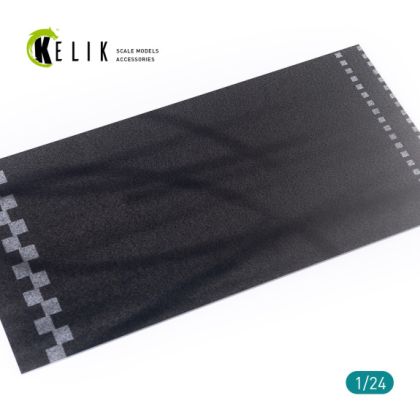 1:24 ASPHALT ROAD 24 HOURS OF LE MANS TYPE 1 BASE - ACRYLIC 3 MM (180 X 357 MM)
22.36 €
1:24 ASPHALT ROAD 24 HOURS OF LE MANS TYPE 1 BASE - ACRYLIC 3 MM (180 X 357 MM)
22.36 €
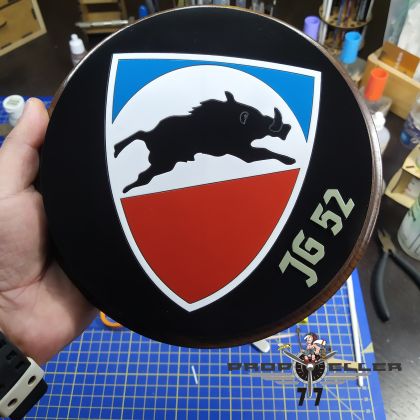 1:48 Luftwaffe Display base kit JG52 bf 109 E
14.76 €
1:48 Luftwaffe Display base kit JG52 bf 109 E
14.76 €
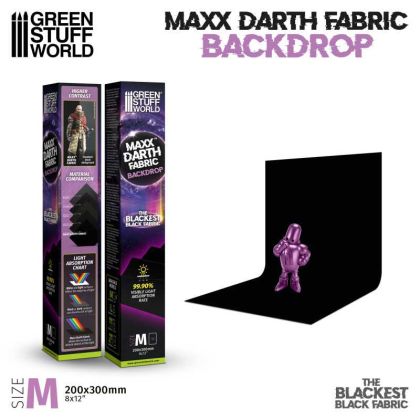 Maxx Darth Black - Photo background 200x300mm
7.16 €
Maxx Darth Black - Photo background 200x300mm
7.16 €
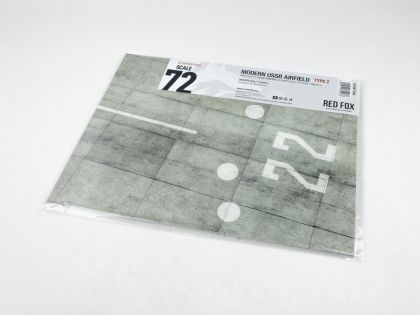
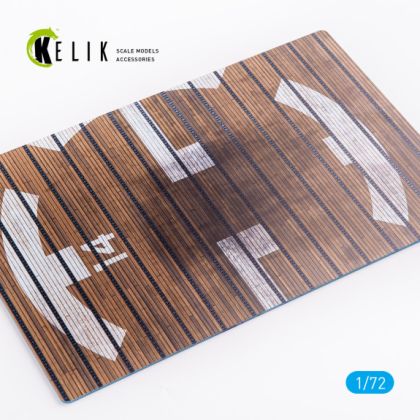
On an ordinary table there is always something in the frame that should not be there: the edge of the desk, a cable, a reflection of the window. A backdrop unifies the surface and the model stands out against it. Two approaches are in common use. Either you want a clean neutral background where only the model is visible, or a surface that gives the model context — concrete airfield slabs, the asphalt of a circuit, a wooden deck.
A matt black or white sheet is the simplest answer: it kills reflections, it leaves nothing in the frame to think about, and one sheet serves every scale you own. Printed scenic bases work differently, because they have to match the scale of the model. Otherwise the slabs or the paving read as unnaturally large or absurdly small, and the eye catches it instantly.
The backdrop has to be bigger than the model, with margin at the sides so you can shoot at an angle. Formats around 200 x 300 mm (roughly 8 x 12 in) cover figures and small scales; for larger aircraft and armour, plan on sheets over 300 mm. If you shoot from a low angle, a piece of background behind the model keeps the horizon from ending in the middle of the frame.
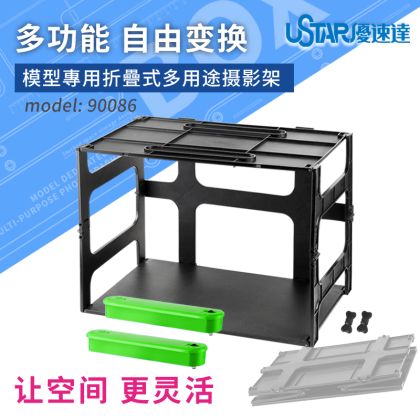
Folding light boxes with LED lighting are a group of their own. They diffuse light from every side so the model carries no hard shadows, and they fold flat afterwards. Shooting outside a box, you still want side light, where an ordinary modelling lamp does the job. Two lights, one each side, even the shadows out better than one strong source.
The best photographs come out of patience: a stable surface, diffused light, and time spent hunting the angle. The rest of the workspace is in modelling workbench equipment.