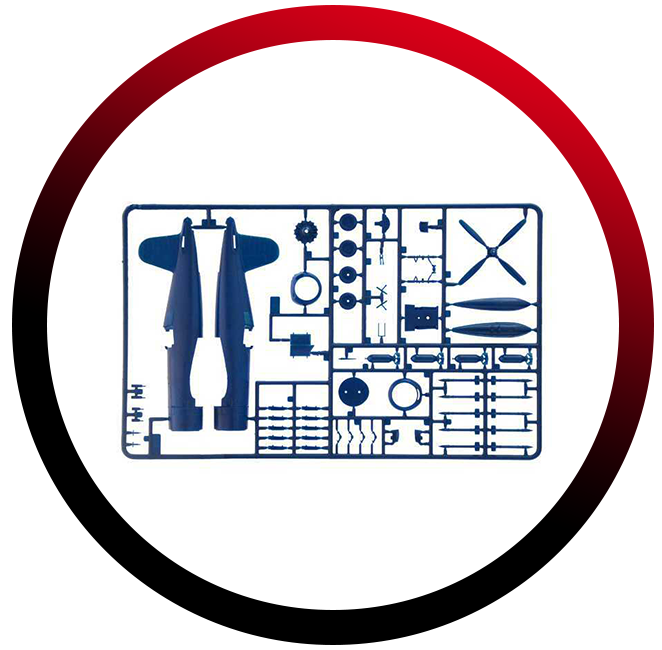
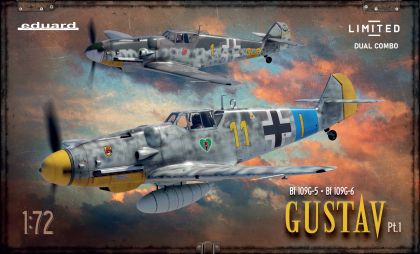
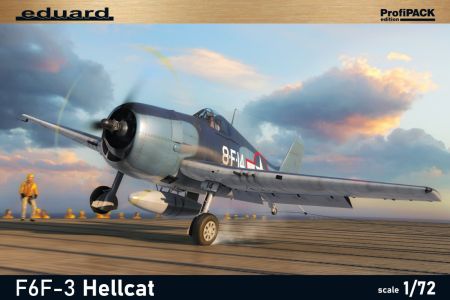
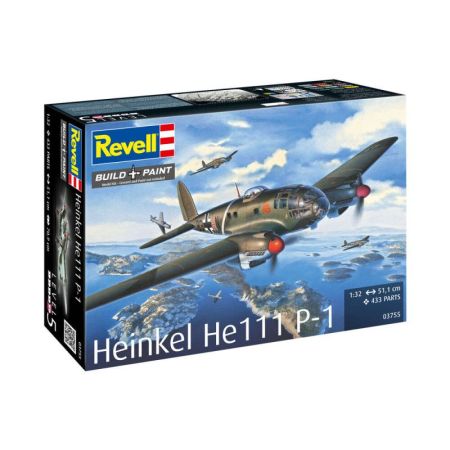
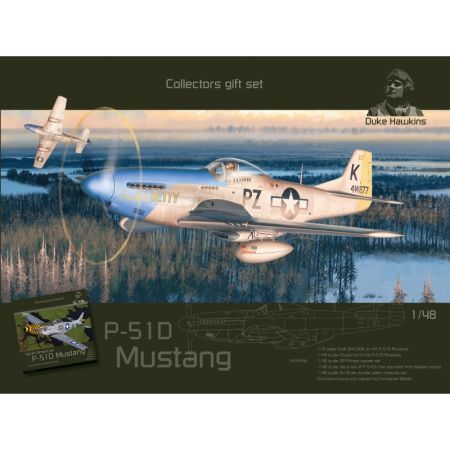
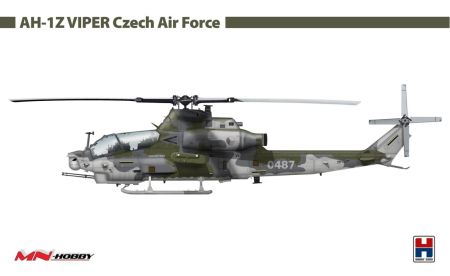
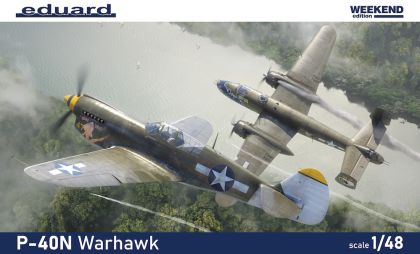
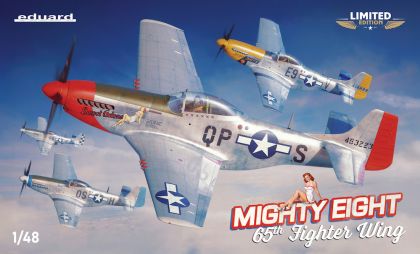
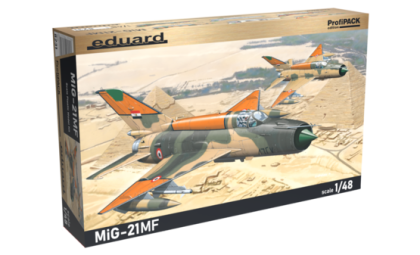
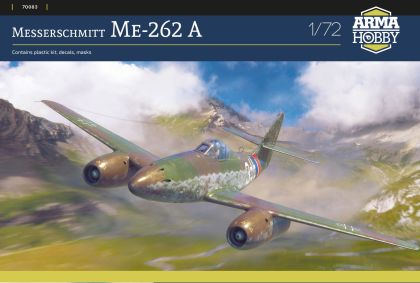
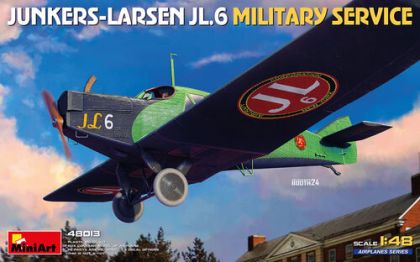
A plastic model kit reaches you as a set of injection-moulded polystyrene parts still attached to their sprues. Cut them free, clean the seams, glue and paint them, and what ends up on the shelf is a miniature of a real machine. This is the top level of the catalogue, so every subject and every scale sits somewhere beneath it, from kits that go together over a weekend to projects measured in hundreds of hours.
The guide below explains how the range is divided, what actually changes when you move from one branch to another, and which part of the catalogue answers a first build rather than a tenth one.
The split is not cosmetic. Each branch asks for different skills and eats its build time in a different place: armour spends most of it on running gear and surface work, cars on paint that has to stay glass-smooth, ships on railings and rigging that moulded plastic can barely carry.
Scale sets size, part count and how much cabinet you need. Aircraft are built mostly in 1:72 and the more detailed 1:48, armour in 1:35, cars in 1:24, ships in 1:350 and 1:700. Smaller means a quicker build and a compact collection; larger means room for interiors, engine bays and fine surface work. Keeping one scale per subject makes a shelf read as a set instead of a pile.
On a first kit the part count matters far more than the box art. Low part counts and simple finishes get finished; ambitious kits often stay in the box. Two entry points are worth knowing: snap-fit kits, where parts click together and neither glue nor paint is required, and starter sets with paints, which put the kit, a brush and the basic colours in one box. Beyond that a first bench needs little – thin cement for plastic, sprue cutters, a sharp blade, abrasive paper and a handful of model paints.
Narrower subjects sit alongside the main branches in the tree above: egg-shaped caricature kits, dinosaurs and railway subjects each have their own section, so it pays to look past the obvious nine before settling on a theme.