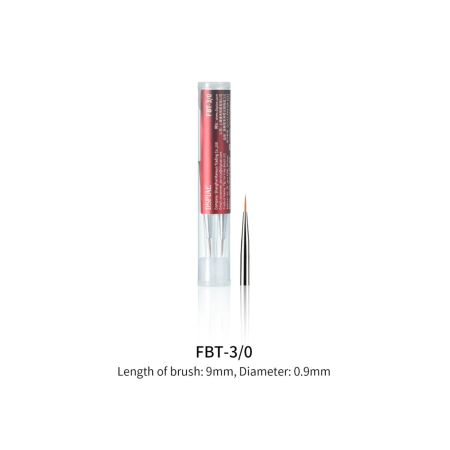
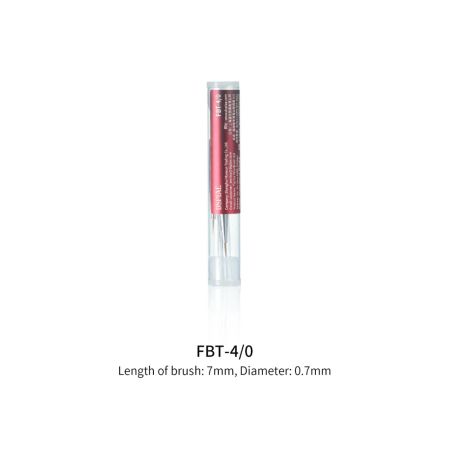
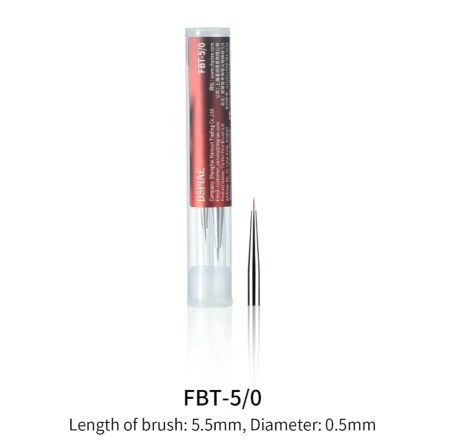
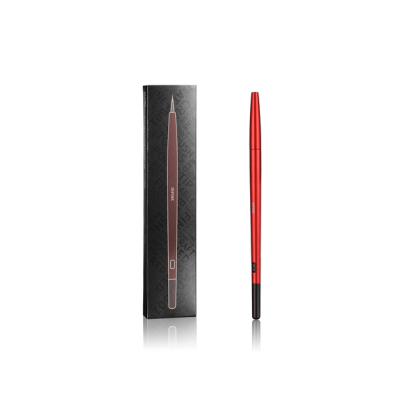
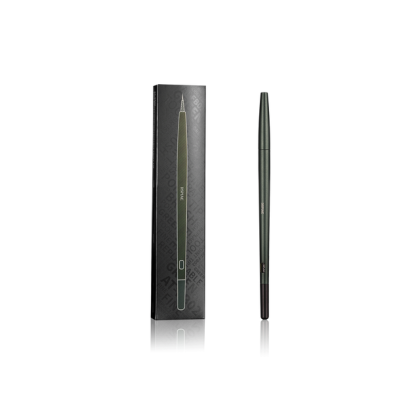
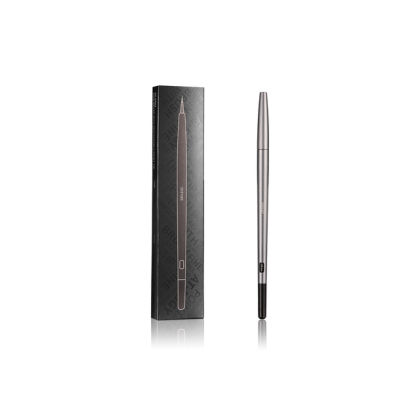
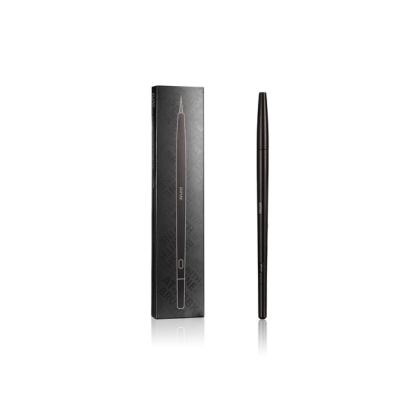
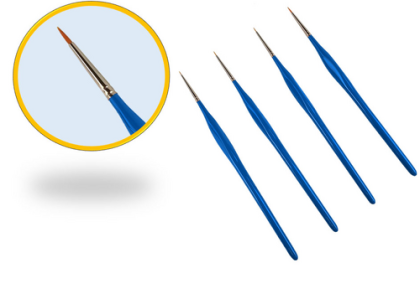
Even in an age of airbrushes, the brush remains the tool without which no model gets finished. An instrument panel, the tools on a mudguard, a figure's eyes, a dry-brushed edge, an oil wash blended into a shadow: all of it is done by hand.
Modelling brushes differ in the material of the hair, in the shape of the ferrule and in size, and each combination suits a different job. What to buy as a basic set, which sizes earn their place first and how to keep a point from splaying are set out under the listing.
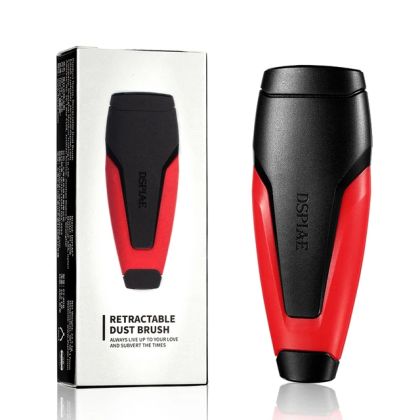
Natural hair carries more paint and returns to a point by itself, which is why it dominates glazing, oils and fine figure work. Synthetic hair is springier and far more tolerant of aggressive solvents, so it takes acrylics and solvent-based paints alike and handles everyday coats without complaint. Beside those two families stand tools built for one operation only, from blunt stubs for dry-brushing to soft sweeps for lifting dust off a finished model.
Size numbering runs downwards through noughts: a 3/0 is finer than a 0, and a 10/0 finer still. The number is not standardised across makers, so judge a brush by the thickness of the head rather than by the figure stamped on the handle. A sensible first bench holds three brushes, a fine round around 2/0, a general round of size 2 and a small flat, with everything else added as the work demands it.
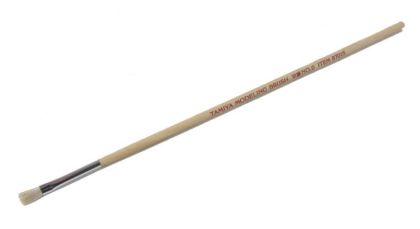
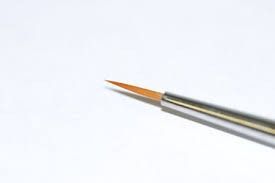
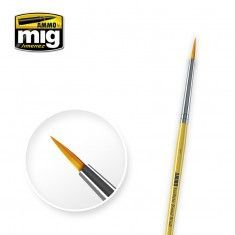
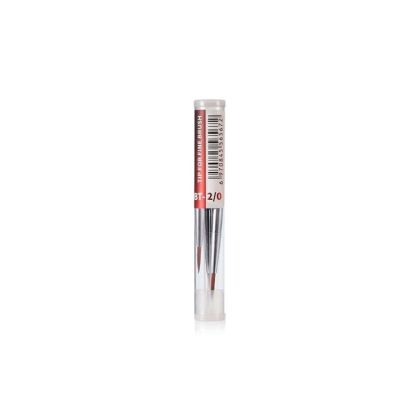
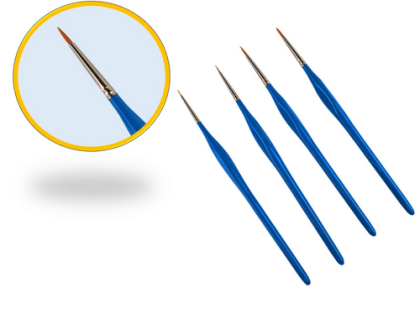
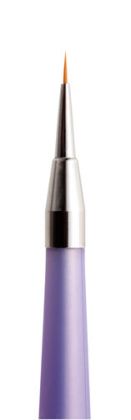
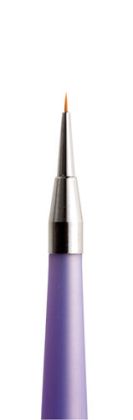
The all-purpose detail tool. Sizes written with noughts are the finest and go to eyes, buttons and dials. The choice is split between natural hair brushes and synthetic brushes.
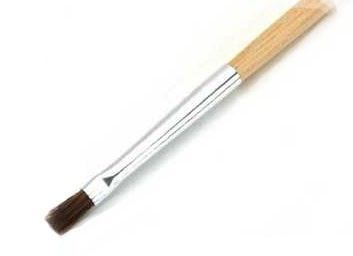
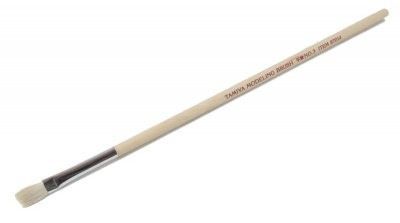
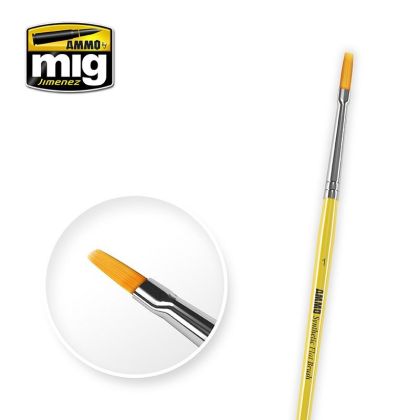
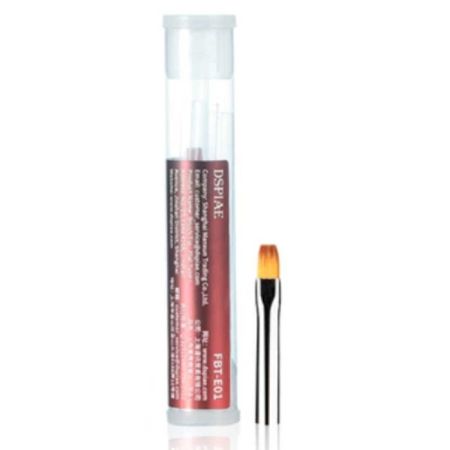
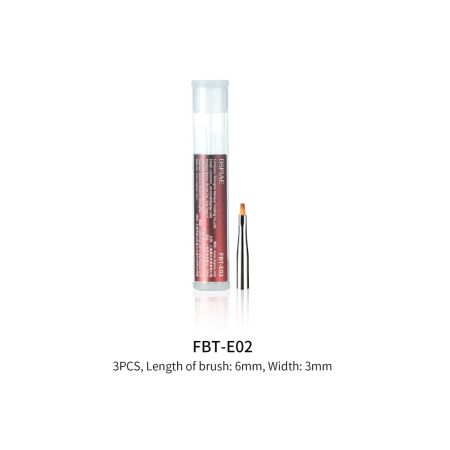
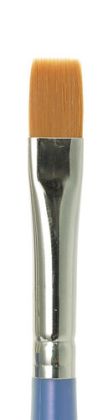
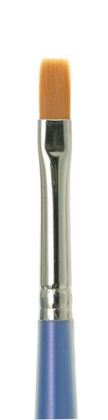
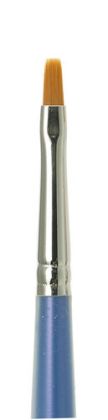
For larger areas, for spreading a glaze and for dragging a highlight along an edge. A flat lays colour more evenly than a round and leaves fewer visible strokes behind it. Two flats, one small and one around size 8, cover most of what an airbrush cannot reach.
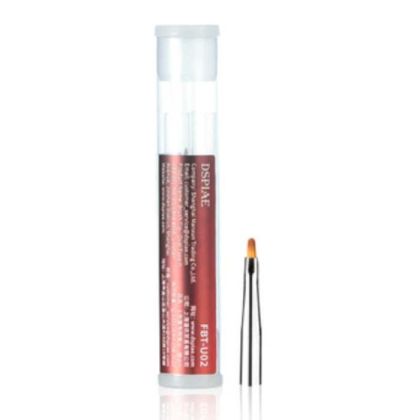
Blunt ends for dry-brushing, angled points for following a scribed line and handles with interchangeable tips are gathered under special brushes.
Brushwork suits acrylic paints and oil paints best, the latter above all for shading. The most hours by hand are spent over model figures.