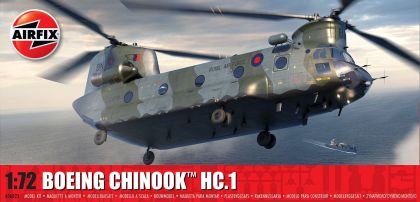
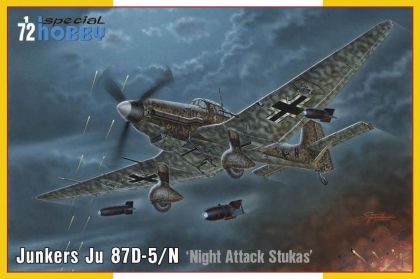
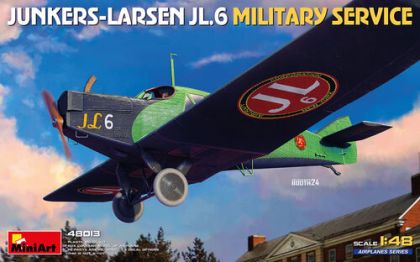
What separates model paints from ordinary household colour is the fineness of the pigment. They have to cover in a genuinely thin film that will not flood engraved panel lines, rivet detail or the fine relief of a resin casting.
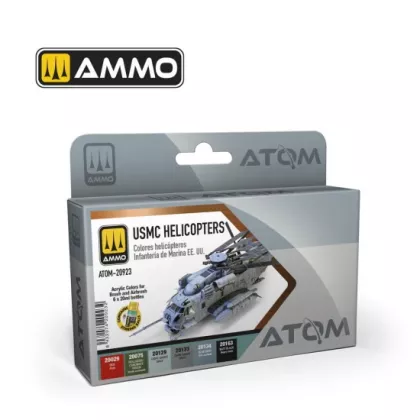
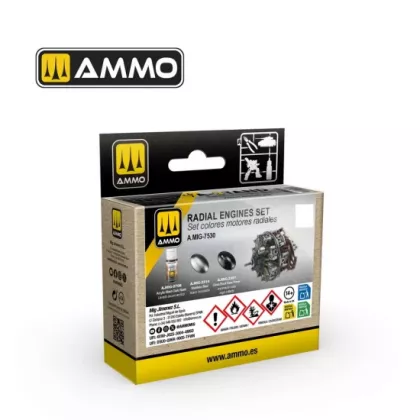
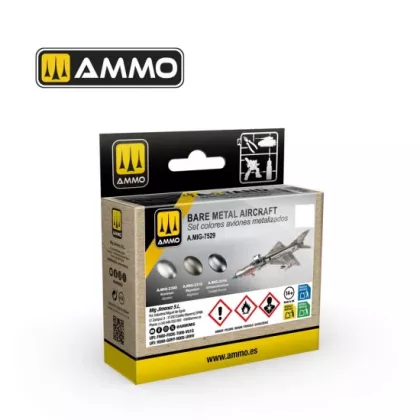
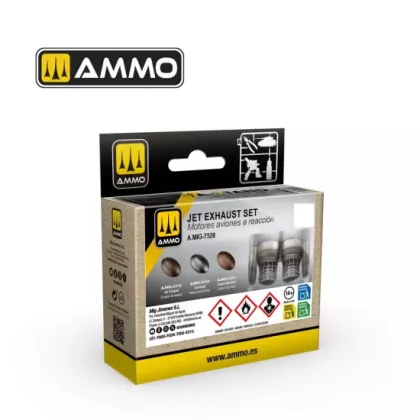
This section sorts them by binder, so you can go straight to acrylics, enamels, lacquers, oils or metallics, to aerosols, or to ready-mixed sets built around one machine. Below you will find how the types differ in practice and what to buy alongside them.
The pigment is ground fine enough to pass through a nozzle a few tenths of a millimetre across and still leave the detail you cleaned up so carefully visible once it dries. Most shades are tied to a traceable standard as well, so you can follow documentation instead of guessing a tone from a faded photograph.
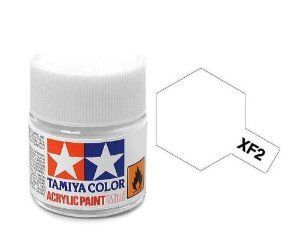
Acrylics are the all-round answer for both brush and airbrush. Enamels stay open longer and flow into recesses. Metallics imitate bare metal, including polishable finishes. Oil paints are the tool for soft blends and grime, while alcohol-based colours form their own small group with an extremely thin, glossy film.
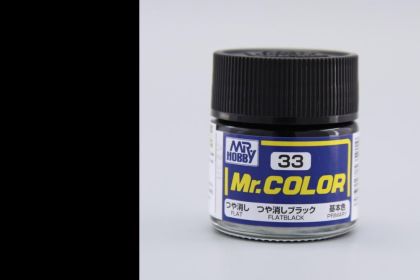
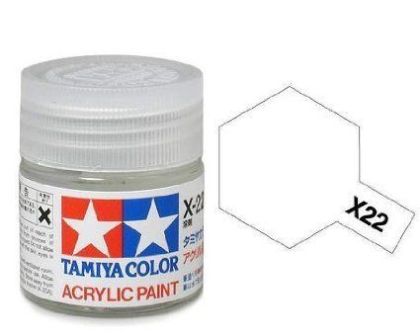
Matt reads more convincingly on a scaled-down subject, because shrinking the object optically changes the way light bounces off it. Gloss and satin belong on cars, under decals and on parts that really were lacquered. Sheen can be adjusted at any point with a final clear coat.
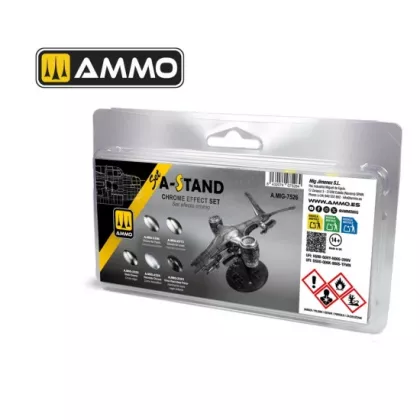
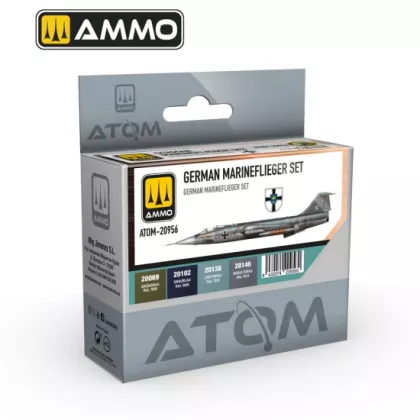
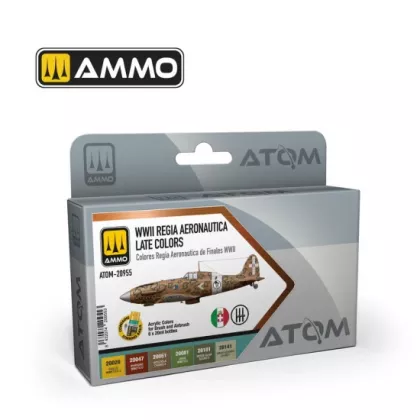
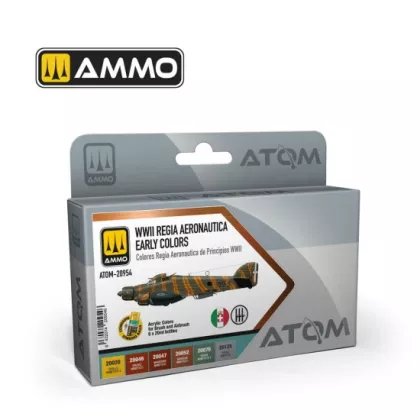
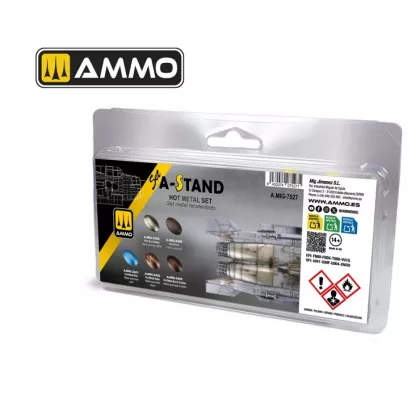
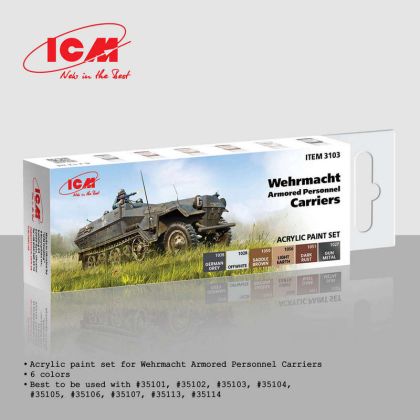
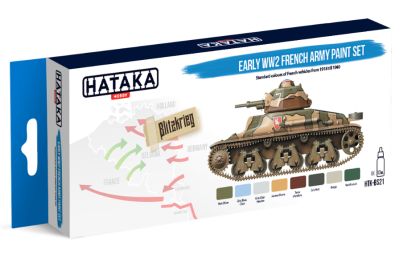
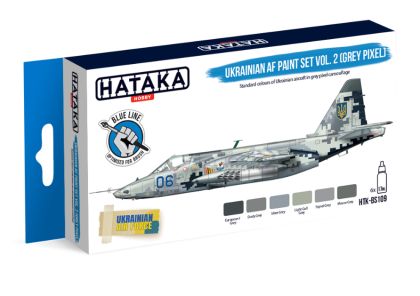
Part of the range is already thinned to spraying consistency for the airbrush, while other lines are denser and built for the brush. Aerosols pay off on large single-colour areas when you have no compressor. Reach for a ready-mixed set when you are building one specific subject and do not want to assemble the shades one jar at a time.
If you would rather follow the whole sequence from primer to final clear coat, the parent section on model painting supplies sets the steps out in order.