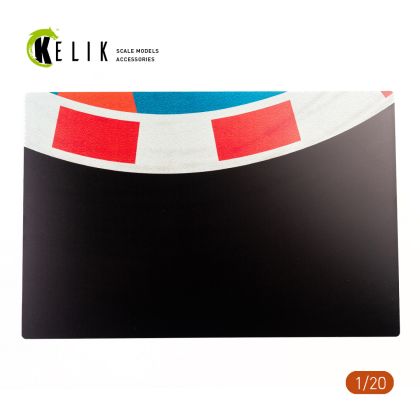
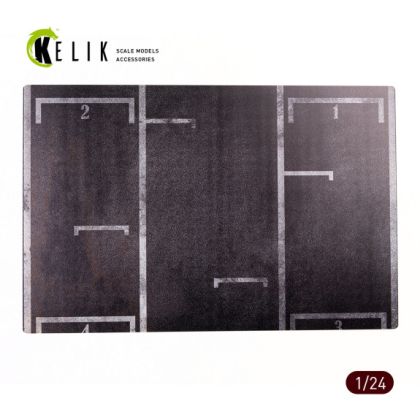
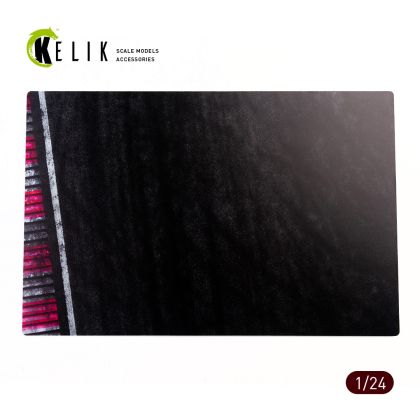
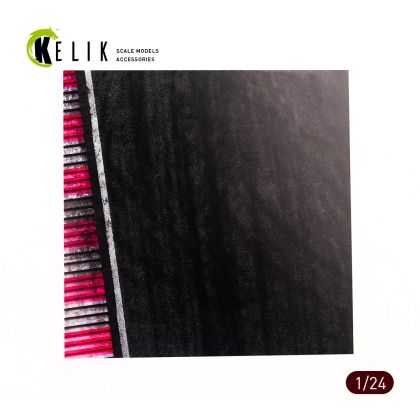
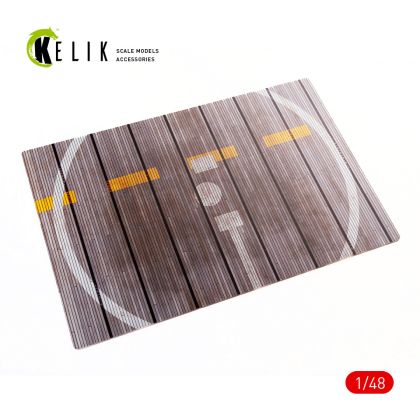
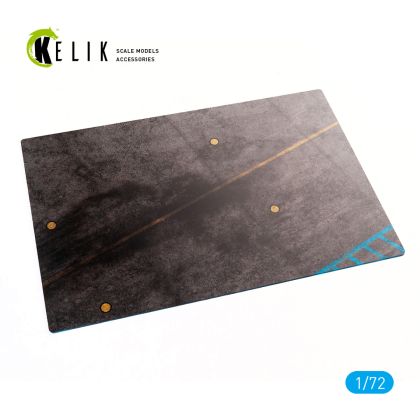
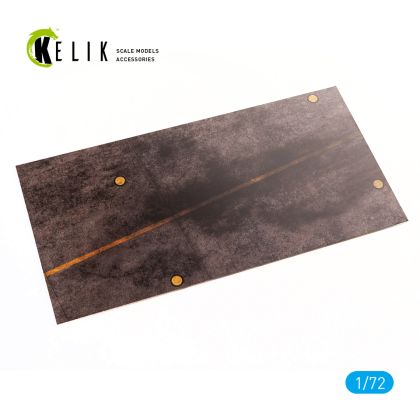
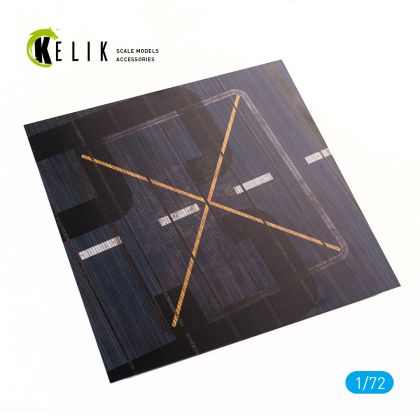
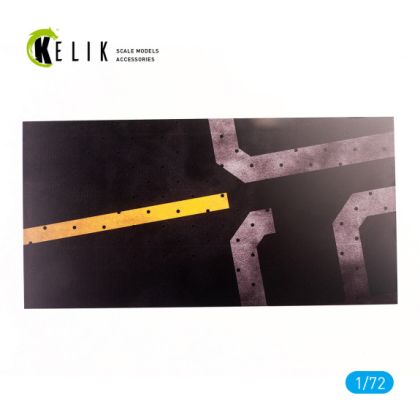
A base is the step that turns a build into an exhibit. It lifts the model clear of the furniture, gives it an edge the eye can stop at, and means you pick the model up by the base instead of by the fuselage. This section holds wooden plinths, printed acrylic groundwork, plastic stands and the dimensioned bases and markers used in wargaming.
Below we go through choosing a size, the ways of fixing a model down so the joint survives being carried to a show, and when a scenic surface is worth more than plain timber.
Three jobs. It protects the model, because every time you move it you take hold of the base and not the tail. It closes the model off visually, since the eye needs a line where the subject ends and the room begins. And it supplies context, if the surface happens to be airfield concrete, cobbles or a flight deck. A base also makes transport to a competition or into a cabinet far less nerve-racking.
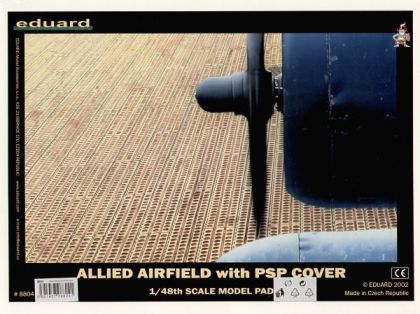
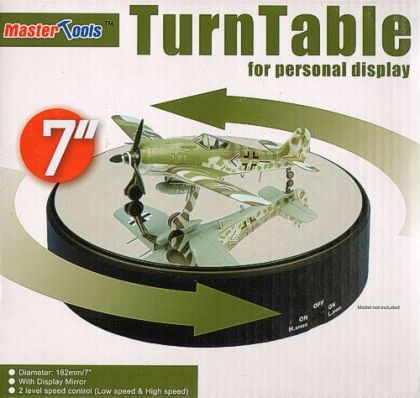
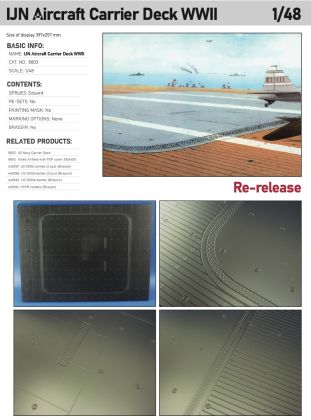
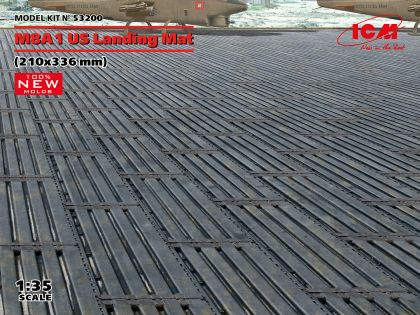
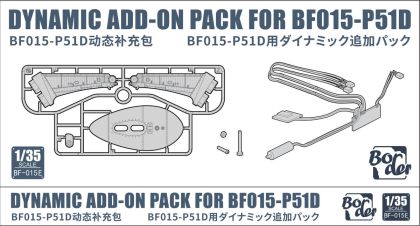
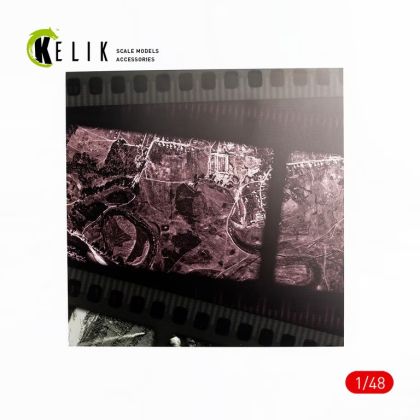
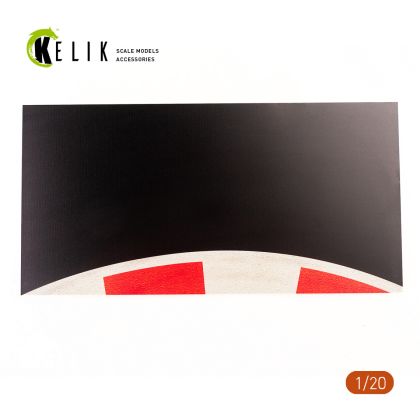
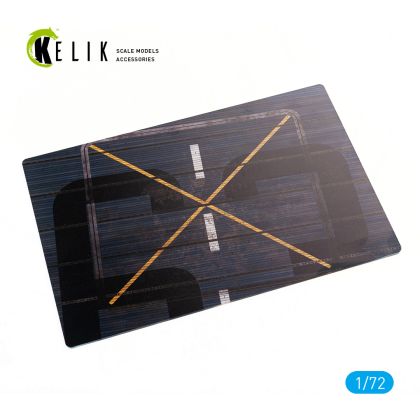
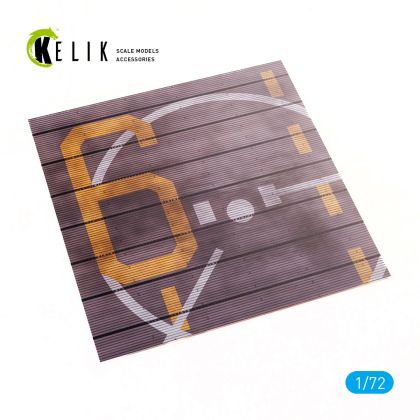
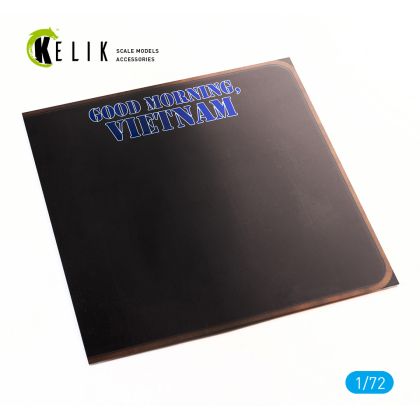
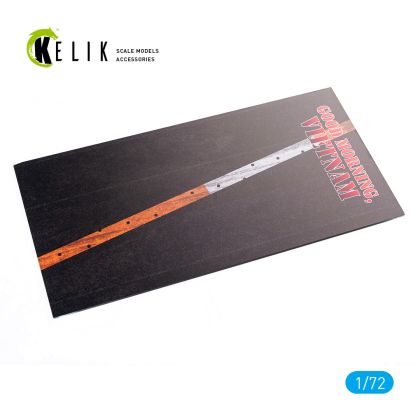
Wooden bases suit almost any subject: calm, warm and in no competition with the model. Square plinths with a moulded edge are used mostly under figures and busts, lower boards under vehicles and aircraft. Plastic bases and stands earn their place where the model has to be lifted or its underside shown. Printed acrylic mats drop the model into an environment without you building a diorama.
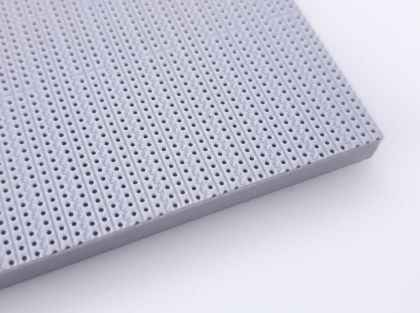
A base should be a little larger than the model, but not so large that empty space opens up around it. With scenic surfaces watch the scale as well: concrete slabs or paving printed in the wrong scale give themselves away instantly. Figures work the other way round – a small plinth that raises the figure to eye level is exactly right.
Wargame bases are a category of their own: round, oval and hexagonal bases in defined dimensions, movement trays and objective markers. There the rules of the game decide the shape, not taste, so the choice is made by diameter.
A pin gives the cleanest joint: a length of wire glued into an undercarriage leg or a foot, sunk into a hole drilled in the base. Use drilling and milling tools for the hole and pin, and magnets where the model has to come off again. Cyanoacrylate on a varnished surface holds worse than it looks, so always back a glued joint up mechanically.
A model on a base looks complete even when the base itself pretends to be nothing. Clean timber and a straight edge are enough. The rest of the bench equipment is in modelling supplies.