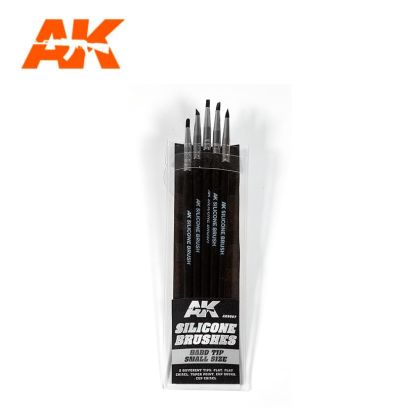
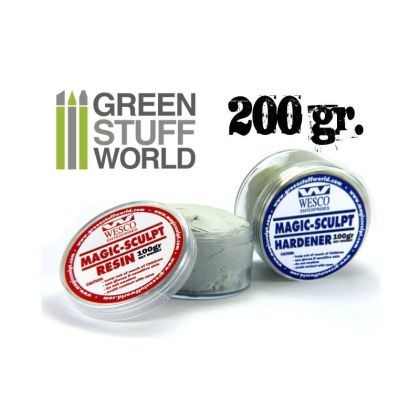
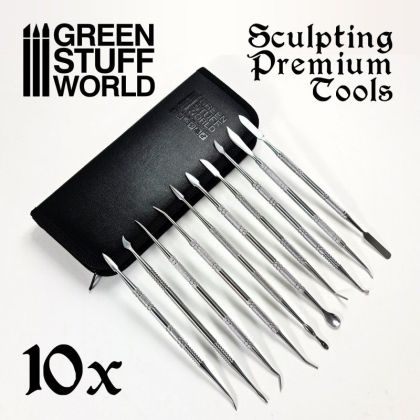
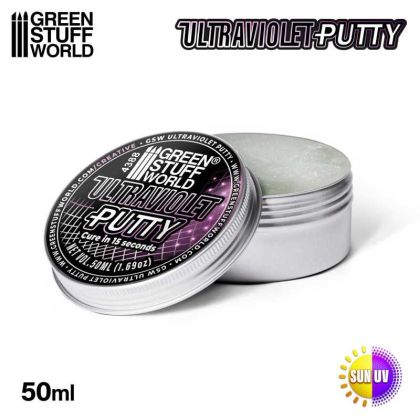
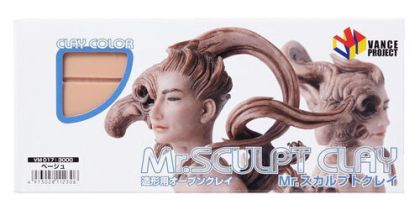
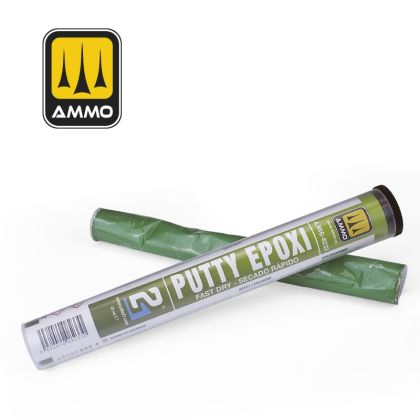
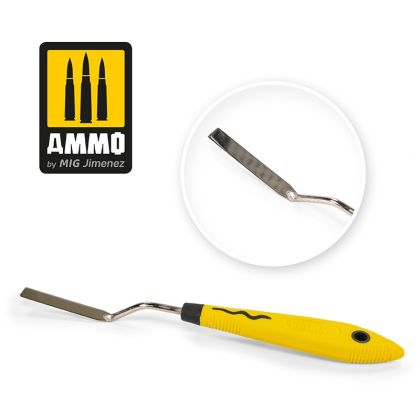
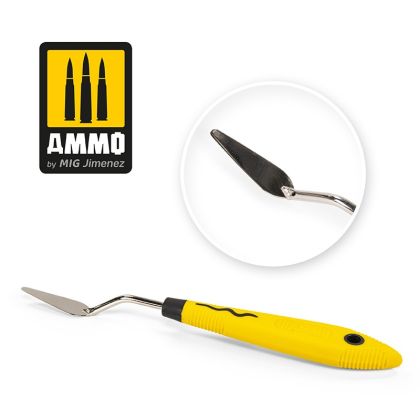
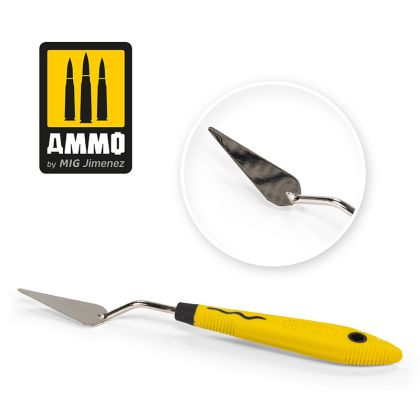
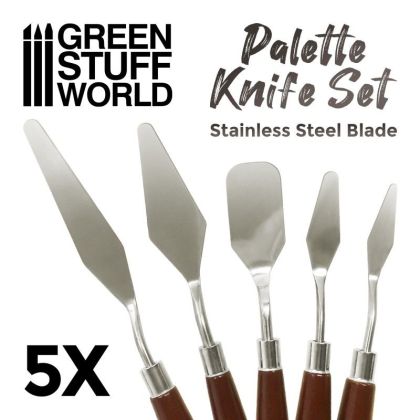
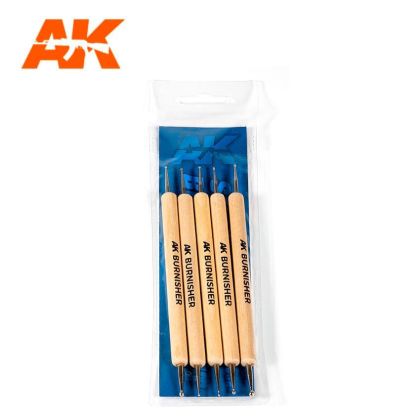
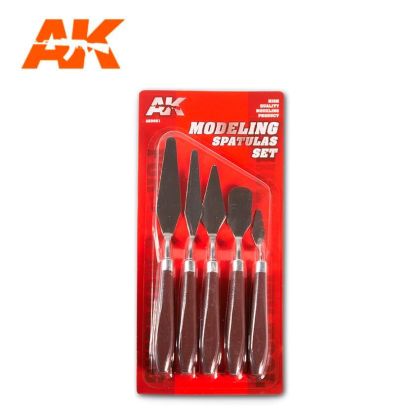
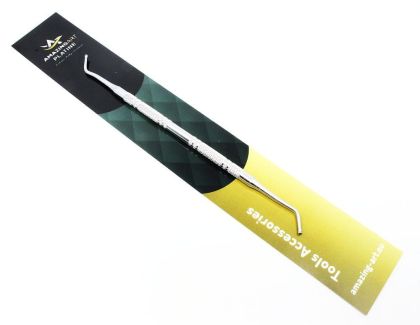
Sooner or later a build needs a part that does not exist in any box: a tarpaulin bunched over a turret, a torn cushion, a cast of a fitting you only have one of, a figure's head turned ten degrees. That is sculpting, and it needs two things working together — a material that stays workable long enough to shape and holds the shape once it cures, and tools with the right surface to push it around without sticking.
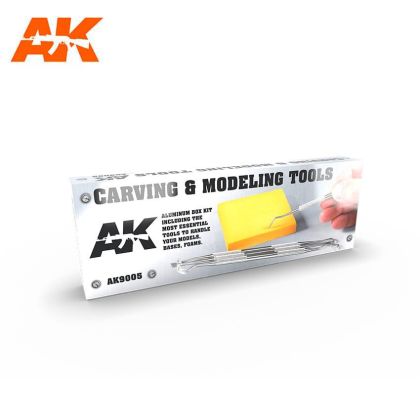
This section collects both, plus the supporting equipment that makes the work possible: wire frames to build on, holders that keep both hands free, and silicone compounds for duplicating a part you have already made.
A fast-curing putty is right for a blob of filler or a small weld bead; it is the wrong choice for a tarpaulin that takes an hour of coaxing. Read the working time before the hardness, because a material that sets while you are still thinking is unusable regardless of how well it sands.
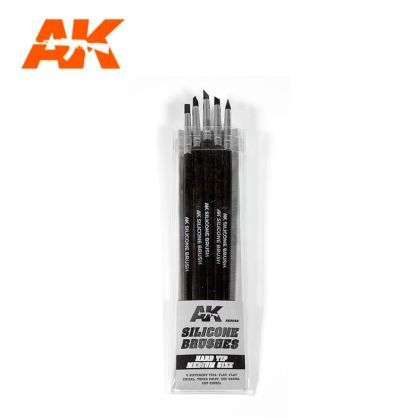
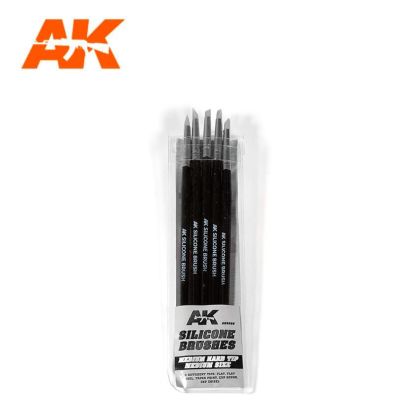
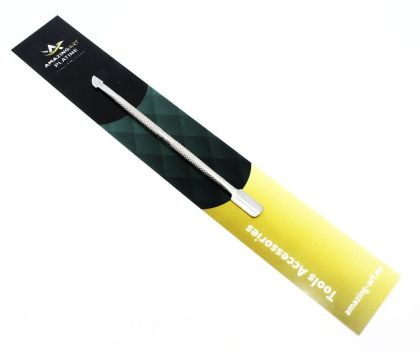
Metal cuts, scrapes and gives a crisp edge; silicone pushes, smooths and blends. Most sculpted detail needs both in sequence — shape the mass with a rubber tip, then define the edges with a steel blade once the putty has firmed up slightly.
Uncured putty sticks to anything dry. Water suits some materials, a trace of petroleum jelly or a release agent suits others, and the product instructions are worth following here because using the wrong one leaves a surface that will not take paint.
One habit saves more work than any tool: sculpt in stages. Let one area cure before you start the next, and you never flatten yesterday's work with today's thumb.