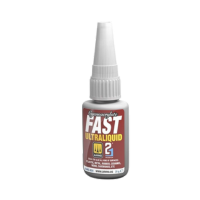
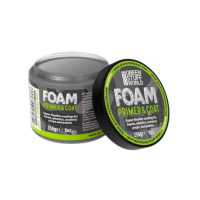
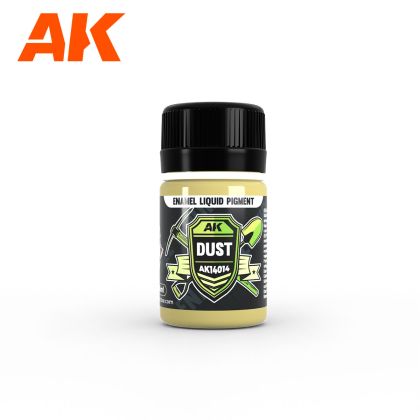
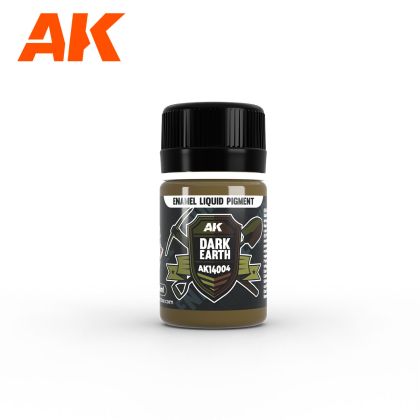
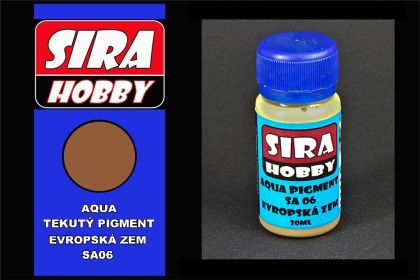
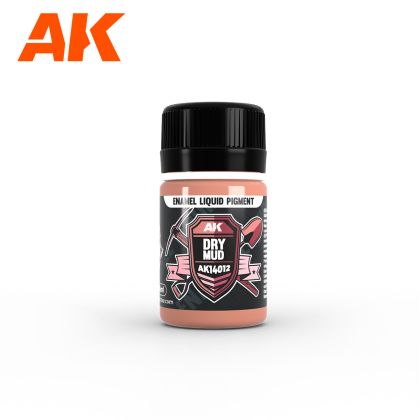
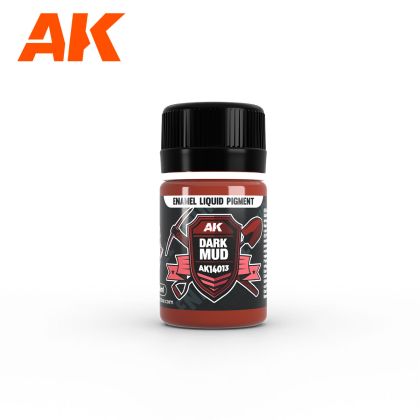
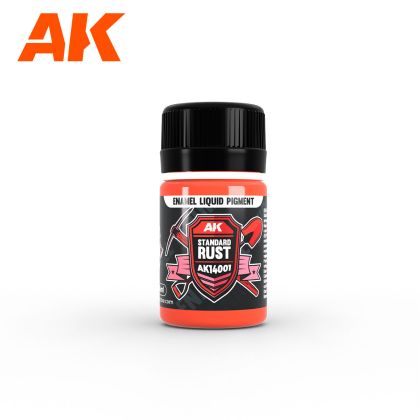
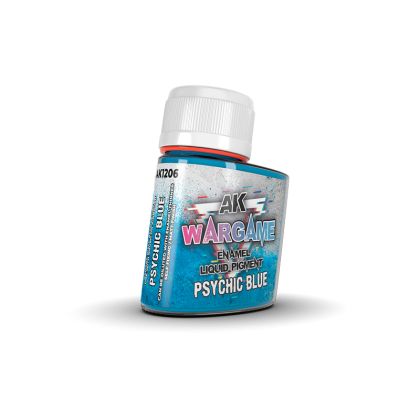
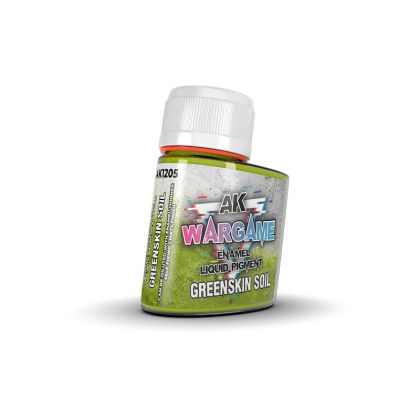
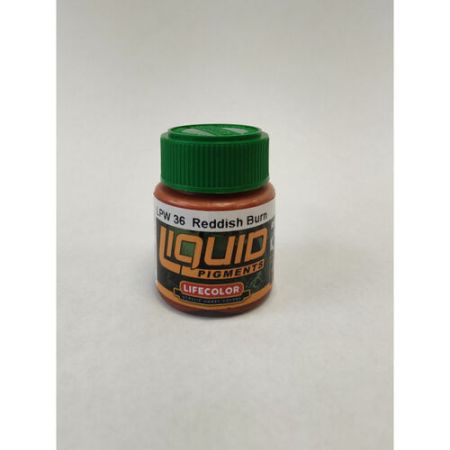
Aqua pigments are the same milled mineral colours as loose weathering powder, already suspended in a water-based medium. The pigment still dries matt and granular, but it arrives where you put it instead of drifting across the model, and it needs no separate fixing step — the medium holds it down as it dries.
That makes them the practical choice when the area is small or awkward, when the model is already finished and loose powder would end up everywhere, or when you want to lay dust and shade in one operation. Sets of related tones are common, because this type works best in graded layers.
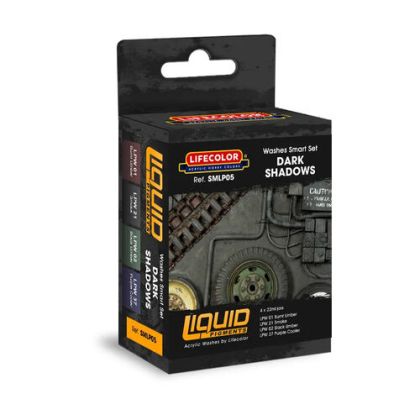
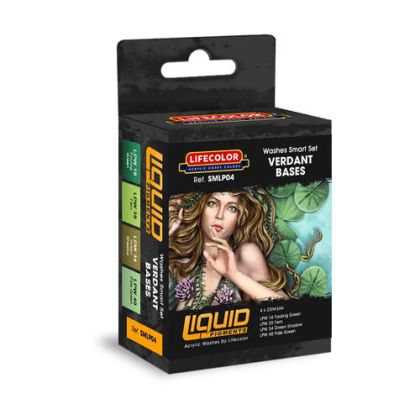
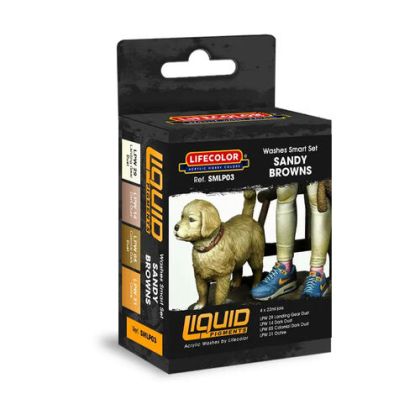
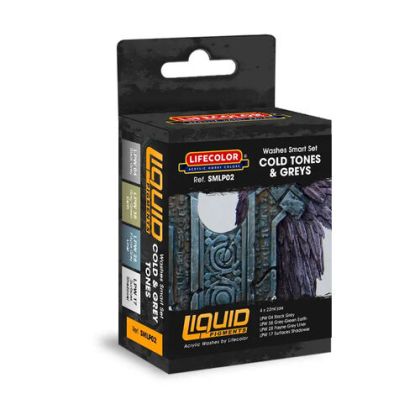
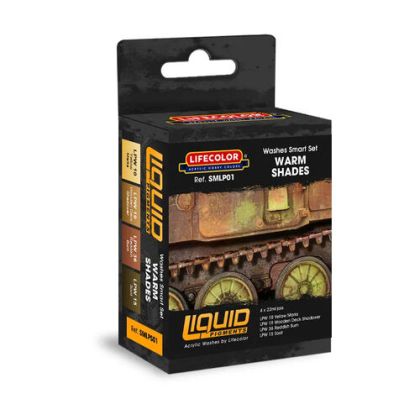
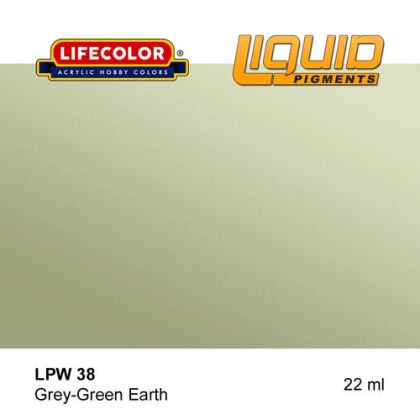
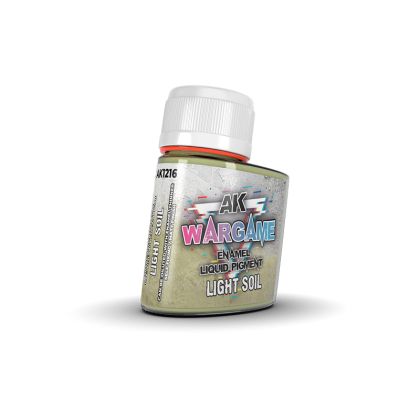
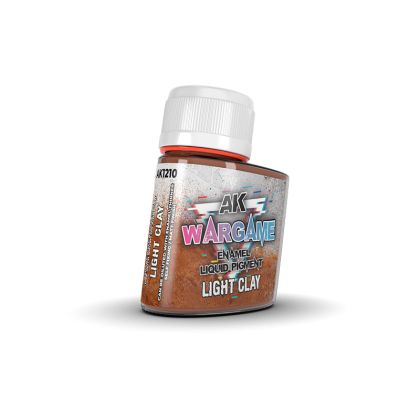
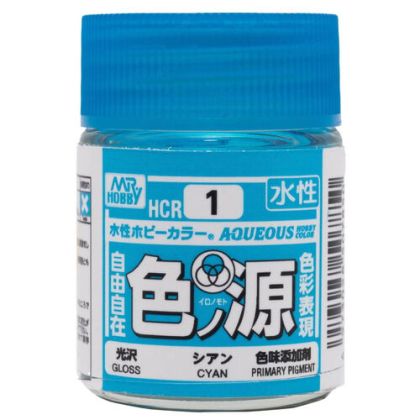
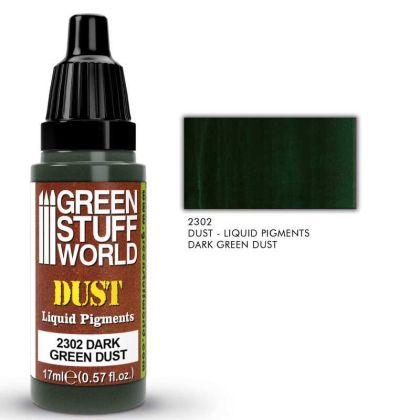
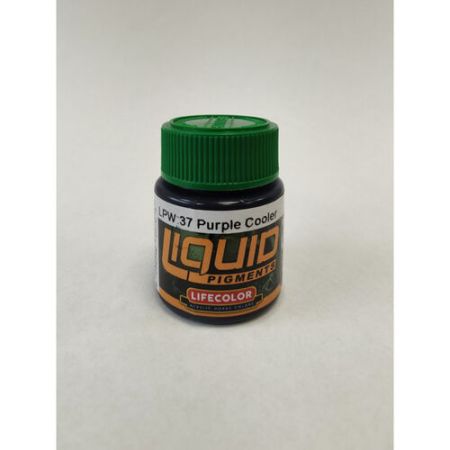
Single bottles of liquid pigment in earth, grey-green, sandy brown, pale green and dark shade tones, plus boxed smart sets grouping warm shades, cold tones and greys, sandy browns, verdant bases and dark shadows. The sets are built so the tones within them can be layered over each other without clashing.
Pigment settles hard at the bottom of the bottle; a bottle that has not been shaken properly gives you medium with almost no colour in it. Thin with water rather than spirit, and thin more than feels right — these build well in several passes and badly in one.
Flood a recess and let the liquid settle; as the water leaves, the pigment stays where the pool was deepest. On vertical surfaces, touch the loaded brush at the top and let gravity draw the streak downwards. A soft round brush from modelling brushes gives more control than a flat one here.
Like dry powder, aqua pigments grip a matt surface and slide off a gloss one, so they belong after the final matt coat. If the result ends up stronger than intended, a damp brush lifts it while it is still fresh — one of the real advantages of a water-based medium.
For a thick dust layer on a large horizontal surface, or for rust texture you want to build up physically, dry pigments still win, and heavy caked mud belongs with texture pastes. Loose powders also need a fixing step, which is exactly what this type avoids.
How this fits the wider sequence is set out in weathering products.