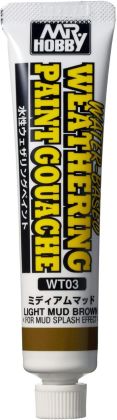
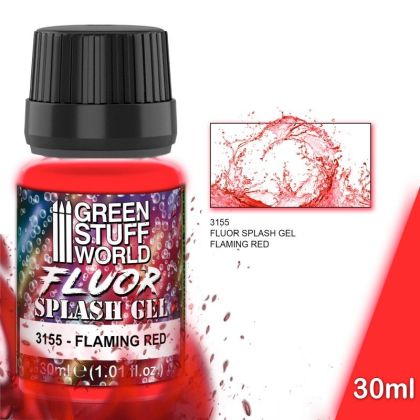
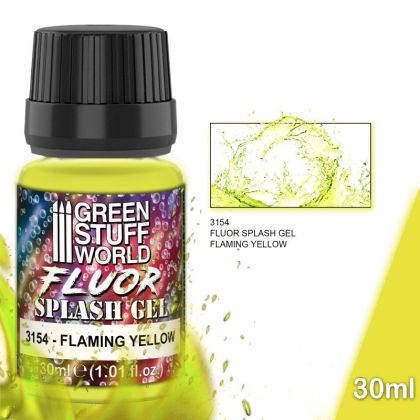
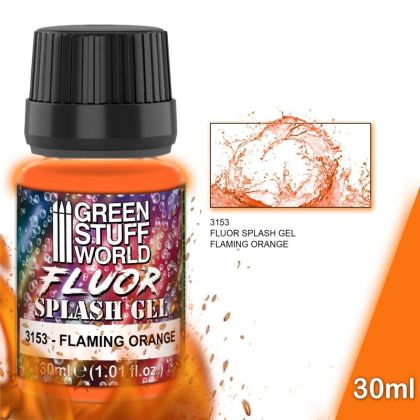
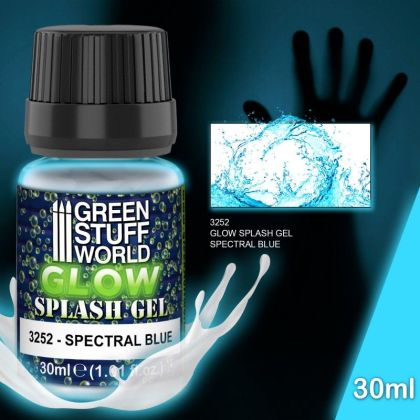
Dust lies flat; mud does not. Once dirt has thickness — caked earth in a wheel arch, dried clay on a track link, a splash frozen against a hull side — flat colour stops being convincing and the surface itself has to change. Pastes are the products that do that: thick, filled compounds applied with a brush, a spatula or a stiff stipple, drying hard with a real texture under a fingernail.
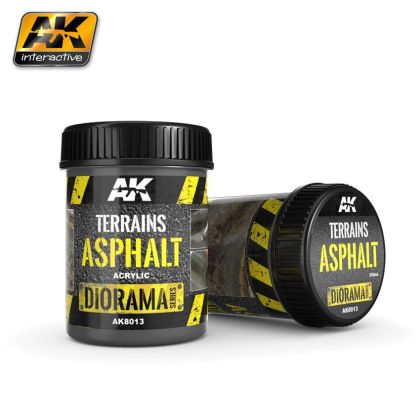
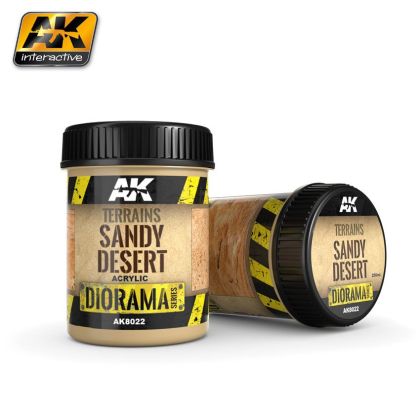
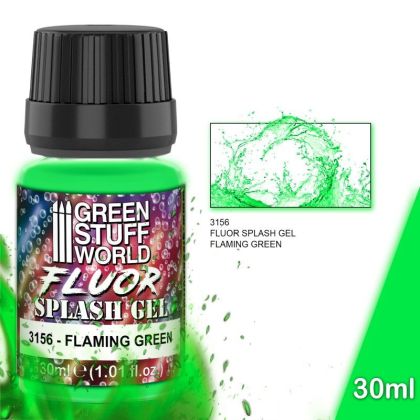
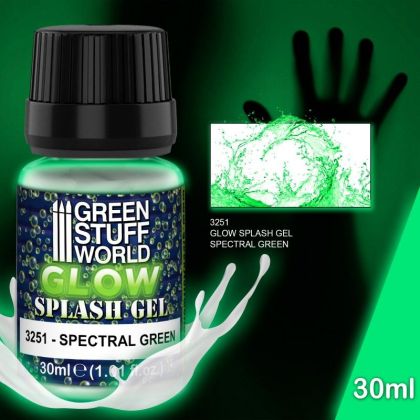
The same group covers surfaces that were textured from the factory — anti-slip deck coatings, concrete, asphalt — and gels for modelling a splash caught in mid-air.
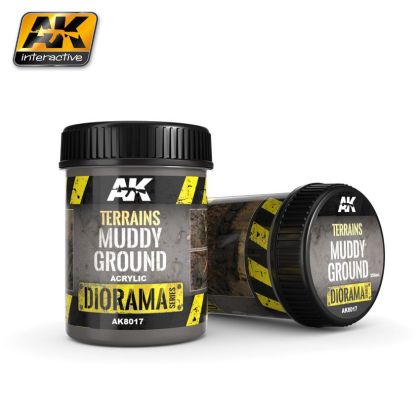
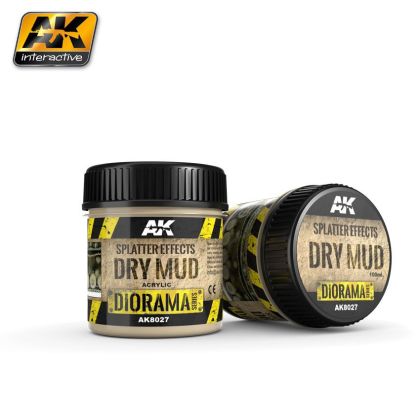
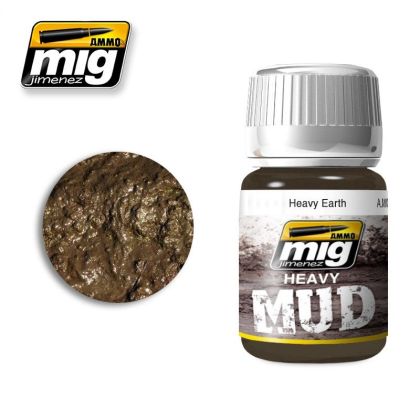
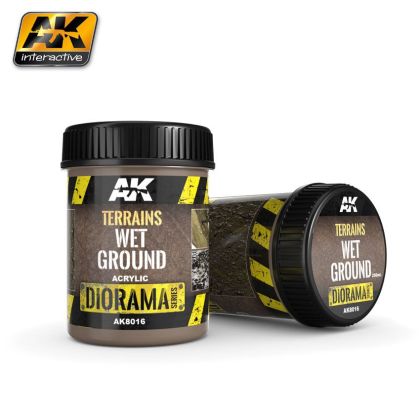
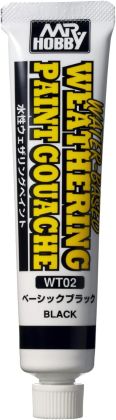
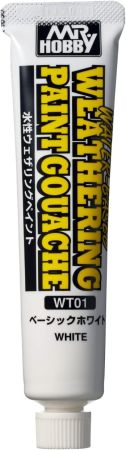
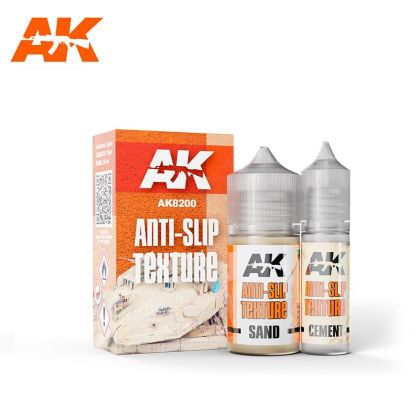
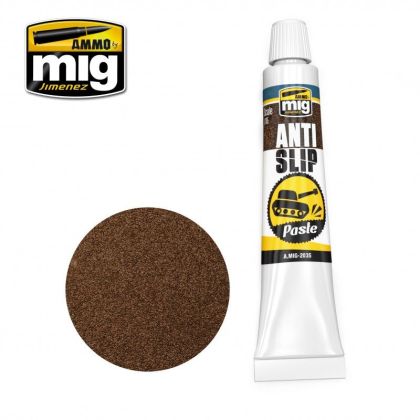
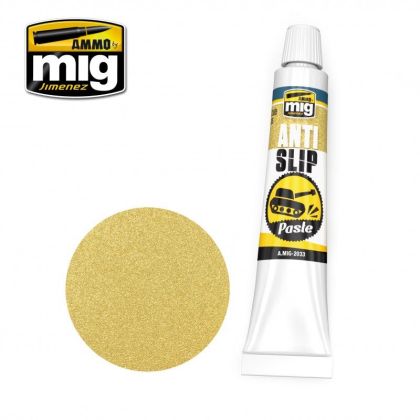
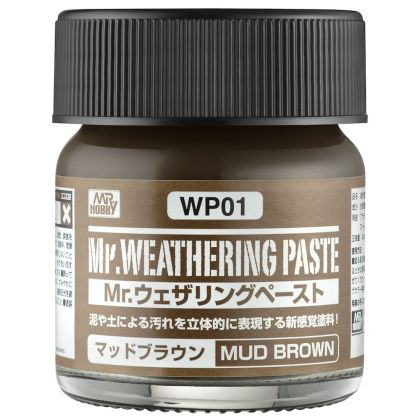
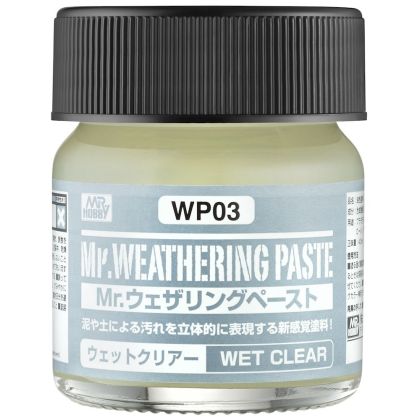
Weathering pastes in mud brown, red and white earth tones and a clear wet-effect version; anti-slip texture compounds in brown and sand tones for vehicle decks and engine covers; ground pastes in asphalt, concrete and desert sand; splash gels in bright and spectral colours for dynamic effects; and water-based gouache-type weathering colours that thicken as they dry.
Load a stiff old brush, dab the paste onto the surface and lift straight off so the bristles leave an irregular peak. Brushing it on gives smooth streaks that read as thick paint. Keep a second dry brush for knocking the peaks down where traffic would have flattened them.
Mud builds up where it cannot fall off: inside wheel arches, behind road wheels, in the angle between a hull and a mudguard, along the lower edge of a skirt. The upper surfaces of the same vehicle should carry only dust. Getting that distribution right matters more than the exact shade.
Dried paste is uniform, and real mud never is. A dusting of pigments over the dried texture, or a few dark touches with oil brushers in the deepest recesses, breaks the flatness. A wet-look clear paste applied selectively on top then suggests fresh mud over older dried layers.
Anti-slip compounds go on bare or primed plastic before painting, because their job is to change the surface the paint will sit on. Mask the panel edges, apply thinly, let it cure fully, then paint over it as normal.
The rest of the range is mapped in weathering products.