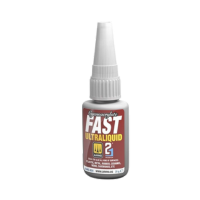
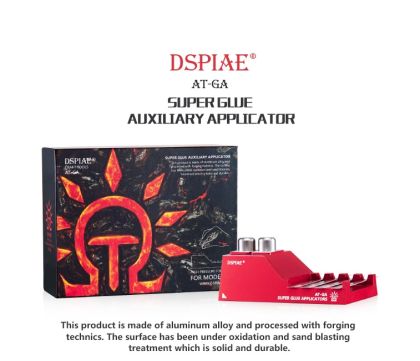
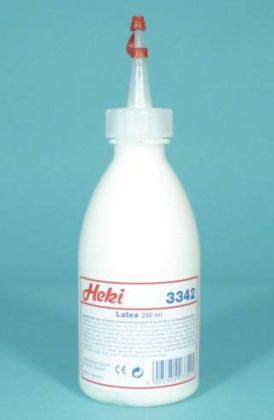
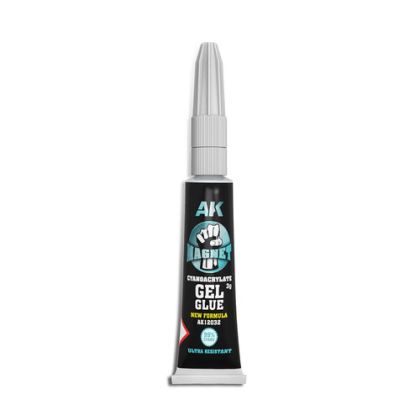
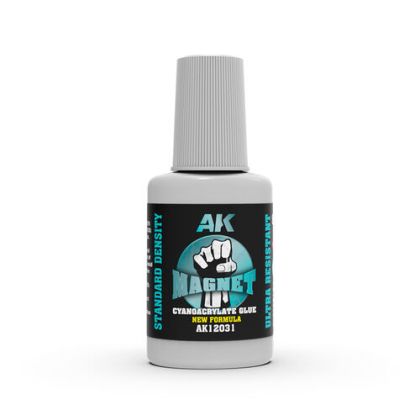
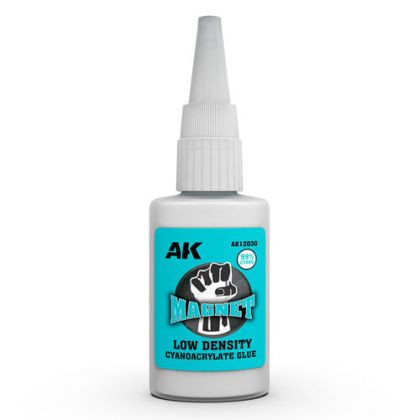
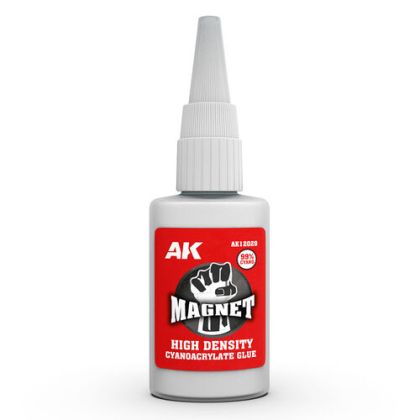
Modelling adhesive is chosen by material, not by the picture on the bottle. Styrene wants one thing, resin another, and a clear canopy will not forgive the solvent that fogs it. This section therefore splits glues into plastic cement, cyanoacrylate, epoxy and adhesives for other materials, and adds the products that go with them: accelerators that cure CA on contact, debonders that undo a mistake, fine applicators that dose a pinhead drop, and tacky putty for holding a part without gluing it at all.
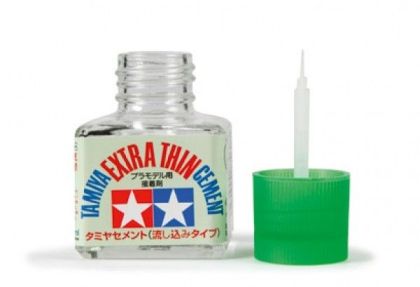 Tamiya Extra Thin Cement ( 40ML ) - Lepidlo na plast.modely řídké se štětečkem
3.96 €
Tamiya Extra Thin Cement ( 40ML ) - Lepidlo na plast.modely řídké se štětečkem
3.96 €
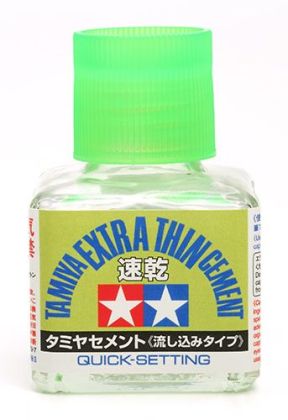 Tamiya Extra Thin Cement (Quick-Setting)
3.96 €
Tamiya Extra Thin Cement (Quick-Setting)
3.96 €
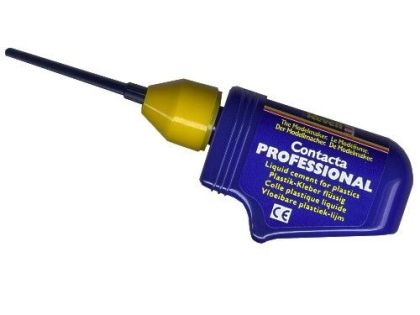 Contacta Professional - jehlové lepidlo Revell
5.16 €
Contacta Professional - jehlové lepidlo Revell
5.16 €
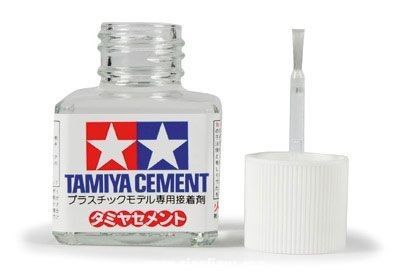 Tamiya Cement ( 40ml ) - Lepidlo na plast.modely
3.16 €
Tamiya Cement ( 40ml ) - Lepidlo na plast.modely
3.16 €
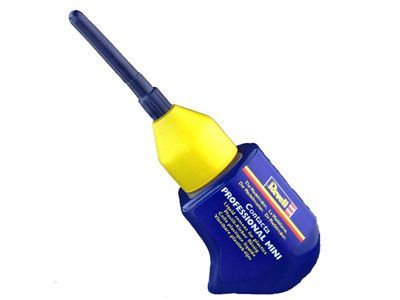 Contacta Professional 12,5 g
3.16 €
Contacta Professional 12,5 g
3.16 €
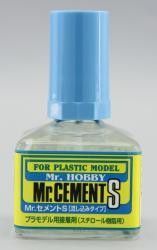 Mr. Cement S - lepidlo na plast 40ml
5.40 €
Mr. Cement S - lepidlo na plast 40ml
5.40 €
Plastic cement is not glue in the everyday sense. The solvent softens the surface of both parts and, once it has gassed off, what remains is a single piece of material. That is why the joint is stronger than anything that merely sticks to the surface — and why it does nothing on resin, metal or cast clear parts, which cannot be softened and need an adhesive that forms its own film between the faces.
A thin cement is drawn into a closed seam by capillary action, so it goes on after the parts are already mated and the joint stays clean. A thick or gel grade stays where you put it, will not creep into surrounding detail and suits vertical faces and small gaps. Most benches end up with both and the choice is made per joint.
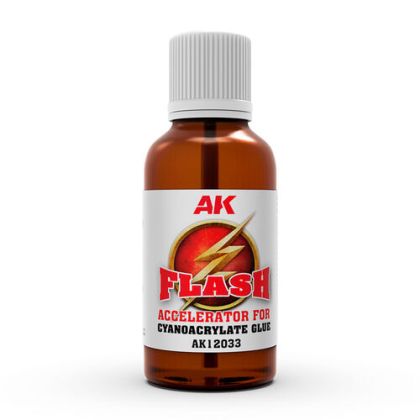
A fast grab helps on tiny parts and hurts on long fuselage halves, where you want to close the seam section by section. There a slower cement wins. The curing of cyanoacrylate can be shortened instead, which is exactly the job of activators.
Every glued seam has to be levelled before the model takes paint, which is where sanding picks the job up with sponges, sticks and papers.