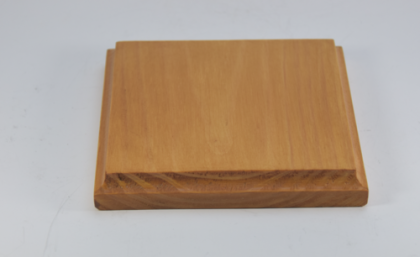
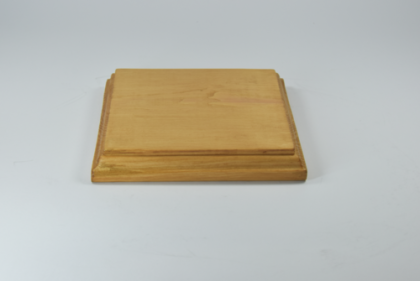
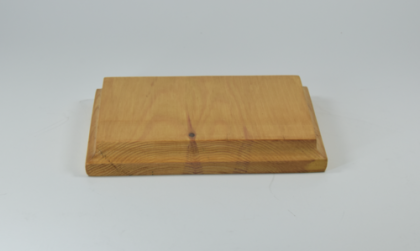
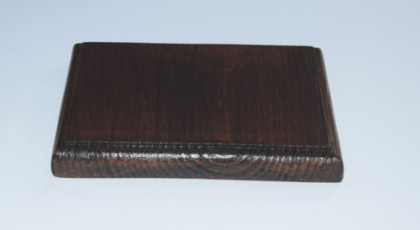
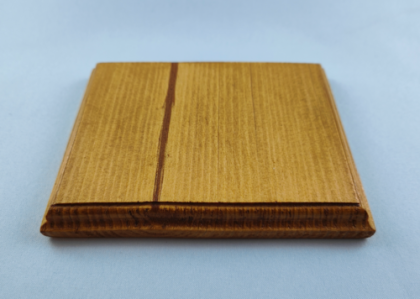
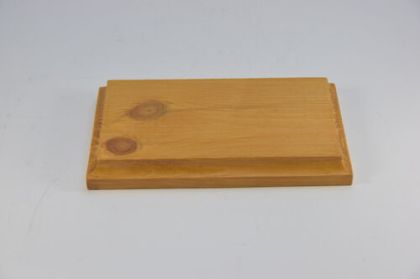
Timber is the safest thing to put under a model: neutral, warm, and in no hurry to draw attention to itself. This section covers square and round plinths, low boards, and the taller blocks used under figures and busts, in natural shades as well as black and dark finishes.
Below we go through choosing a height and a footprint, and how to fix the model down so the joint survives being carried to an exhibition and back more than once. Wood takes a drill cleanly, which is the quiet reason it remains the default among builders who move their work around.
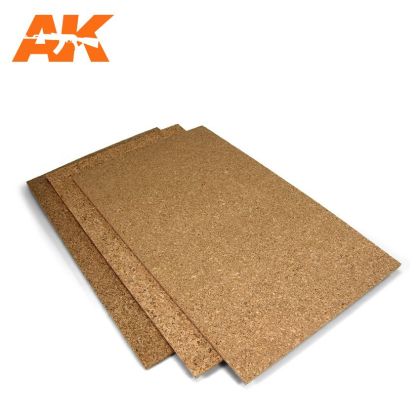 CORK SHEET – FINE GRAINED 200X300X1-2-3MM
5.96 €
CORK SHEET – FINE GRAINED 200X300X1-2-3MM
5.96 €
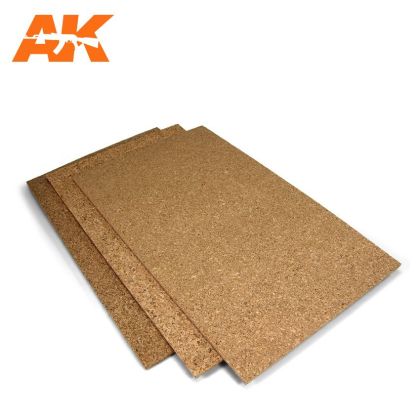 CORK SHEET – COARSE GRAINED 200X290X6MM
5.16 €
CORK SHEET – COARSE GRAINED 200X290X6MM
5.16 €
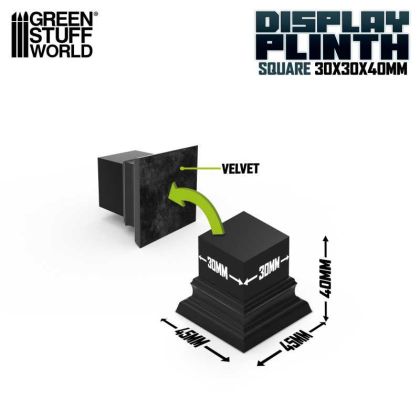 Square Top Display Plinth 3x3 cm - Black
7.96 €
Square Top Display Plinth 3x3 cm - Black
7.96 €
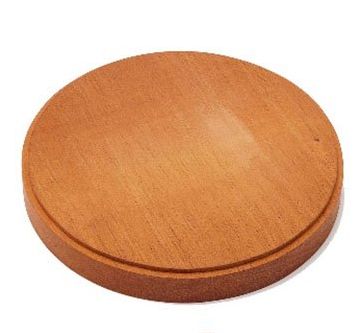
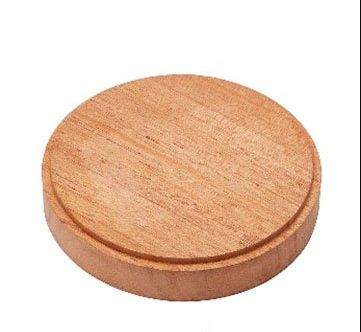
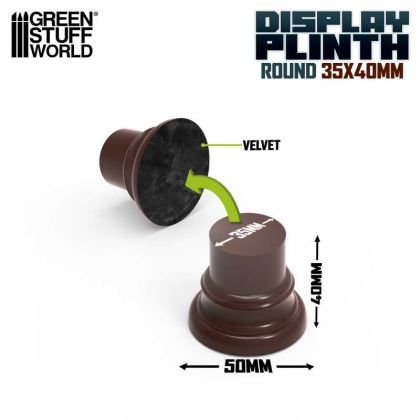 Round Display Plinth 3.5 cm - Hazelnut Brown
7.96 €
Round Display Plinth 3.5 cm - Hazelnut Brown
7.96 €
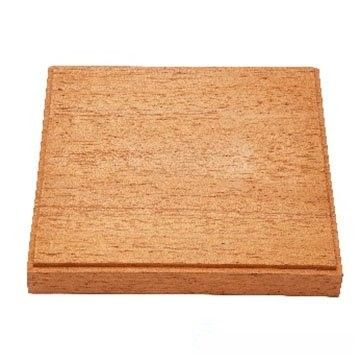
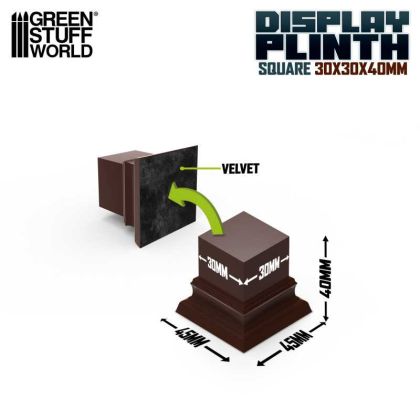 Square Top Display Plinth 3x3 cm - Hazelnut Brown
7.96 €
Square Top Display Plinth 3x3 cm - Hazelnut Brown
7.96 €
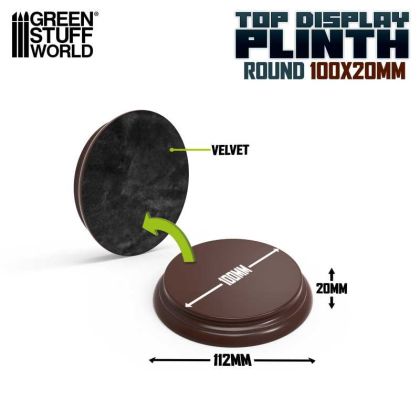 Round Wood display bases 10 cm - Hazelnut Brown
8.76 €
Round Wood display bases 10 cm - Hazelnut Brown
8.76 €
A wooden plinth has two properties no other material matches: mass and an edge. Mass keeps the model where you put it, so a tail-heavy aircraft does not tip back and nothing slides when the base is lifted. The moulded edge works as a frame, because the eye gets a definite line where the exhibit stops. The result is that even a plainly built model looks displayed rather than put down.
Low boards go under aircraft, vehicles and cars: the model should stay near eye level and the plinth should not compete for attention. Taller blocks do the opposite job, lifting a figure or a bust so the viewer studies it at a natural height instead of stooping. For busts the taller plinth is effectively the standard.
Measure the model including wingspan and any overhang, then add a modest margin at the sides. Round plinths suit a model you walk around; square ones suit a model with a definite front. If a figure or a small scene is going to join the model later, allow area for it now rather than regretting the size afterwards.
Light timber reads as light and suits civilian subjects; dark and black finishes give contrast under pale models and under figures. To even the surface out or protect it, a matt or satin varnish works well on wood – thin coat, and let it harden properly before anything stands on it.
The strongest joint is a pin: glue a wire into an undercarriage leg or the underside of the model and pre-drill the plinth to take it. Wood drills easily, so a pin vice is all the tooling you need. For a removable fit, magnets sunk into both the base and the model work well and survive repeated handling better than glue does.
A wooden plinth lasts decades and the model on it will still look right after several house moves. Other options are in display bases.