An airbrush atomises paint with compressed air into a fine mist, and that fineness is the whole reason modellers end up with one. A sprayed coat leaves no brush marks, it allows soft transitions and freehand camouflage, and it covers large areas evenly instead of in overlapping strokes. This section gathers the complete setup: handpieces, compressors, spray booths, propellant in a can and the consumable parts that keep everything working.
Buying the pieces in the wrong order is the usual beginner's mistake, because a good handpiece on an unregulated air supply sprays worse than a basic one on a stable supply. The guide below puts the setup together in sequence.
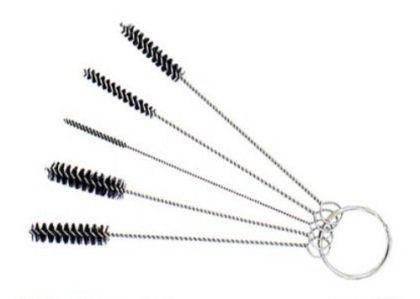
Spraying needs three things: the handpiece, a source of air and somewhere for the overspray to go. The handpiece draws and atomises the paint, the air source decides how stable the spray pattern is, and extraction or a booth deals with whatever does not land on the model. The fourth component, the one almost everyone forgets when budgeting, is cleaning. An airbrush is cleaned after every session, because dried paint closes the nozzle and a blocked nozzle is a bench-stopper.
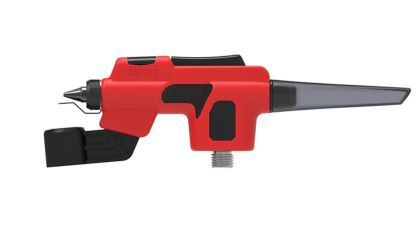
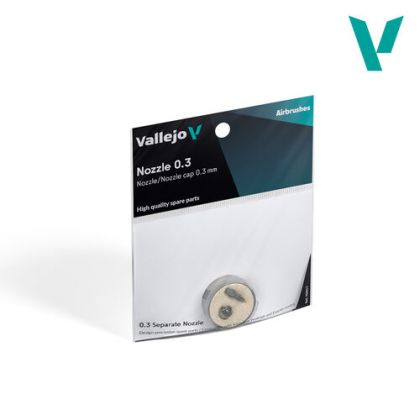
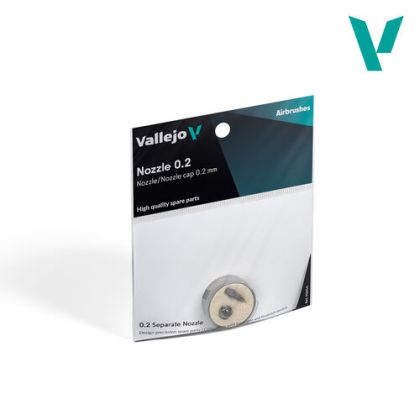
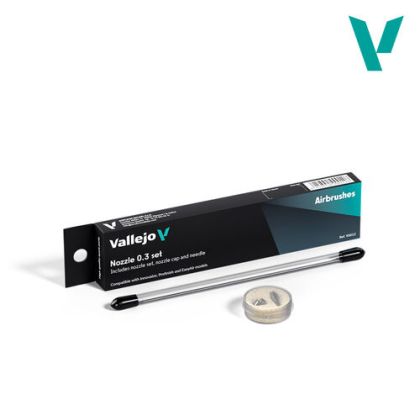
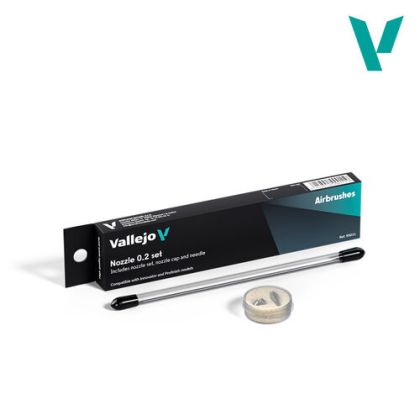
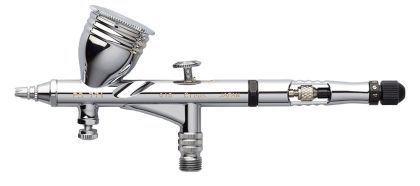
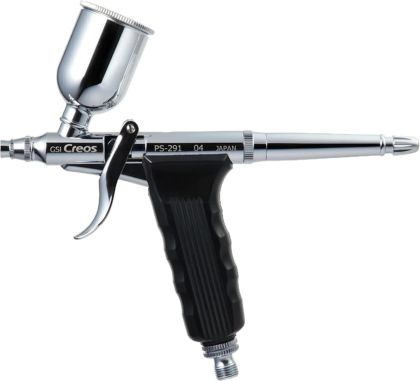
Nozzle diameter does most of the work. Around 0.2 mm draws thin lines and suits camouflage, soft transitions and small subjects; 0.4 to 0.5 mm covers large areas and tolerates thicker paint and surfacer. A dual-action design, where the trigger controls air on the press and paint on the pull back, gives you the most control over the pattern. The full range is in airbrushes and handpieces.
Compressors are the usual answer. Look for pressure regulation and a water trap, because moisture in the line will put small craters into fresh paint. A tank smooths the pressure as well, so the handpiece does not pulse. Modelling pressures sit roughly between 1 and 2.5 bar, which is about 15 to 36 psi. For occasional work or for travelling, propellant in a can will do, though it runs down quickly on a long session.
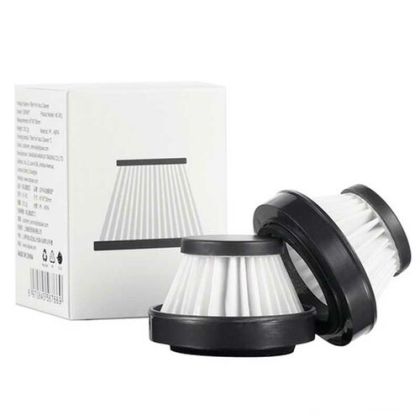
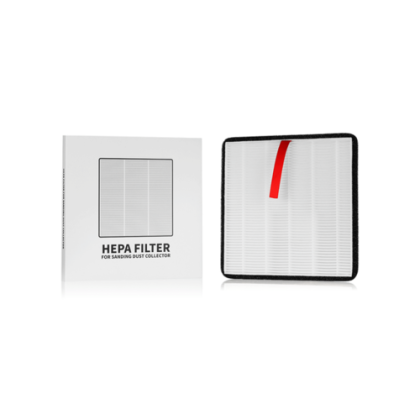
Part of every pass ends up in the air rather than on the model. Spray booths with a fan and a filter pull the mist away and matter most when you paint in a room people also live in. With solvent-based paints a respirator and ventilation are still required; the booth alone does not make the air safe.
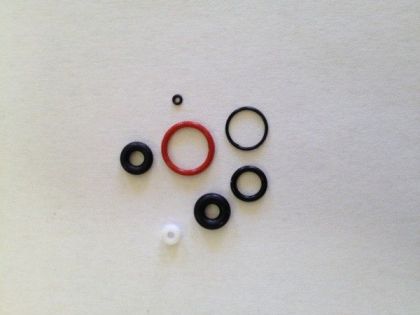
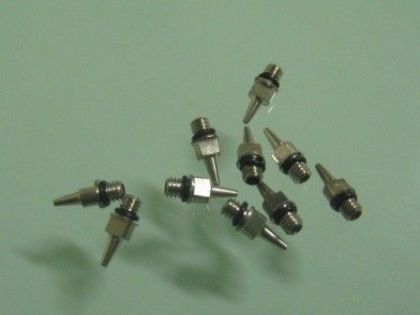
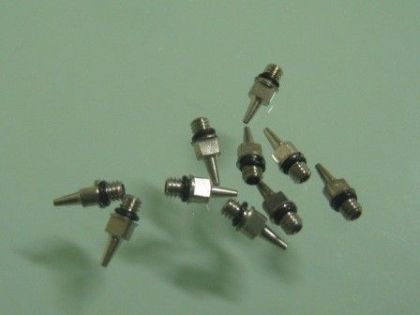
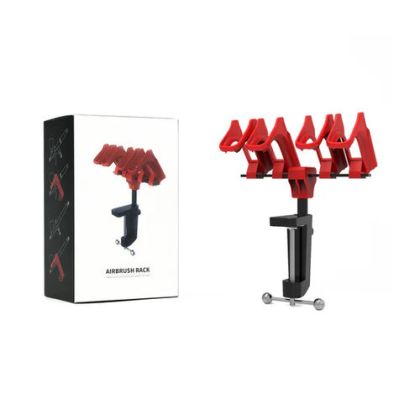
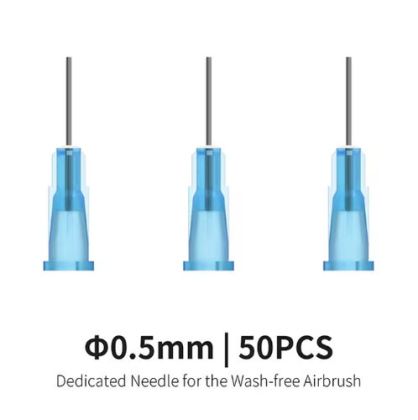
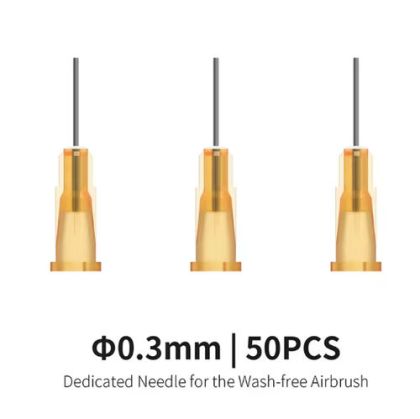
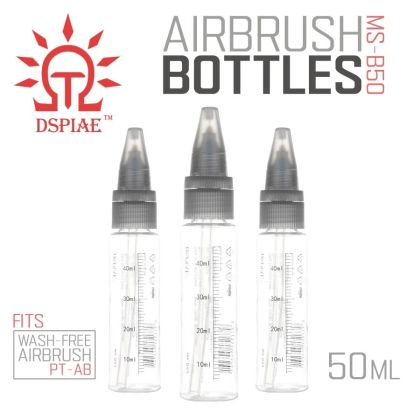
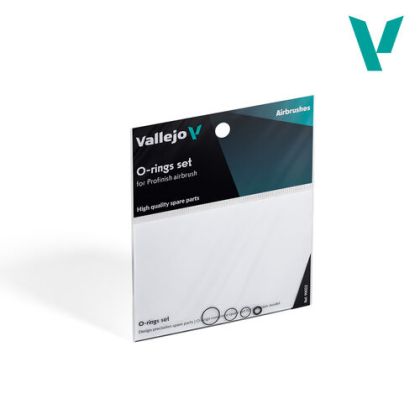
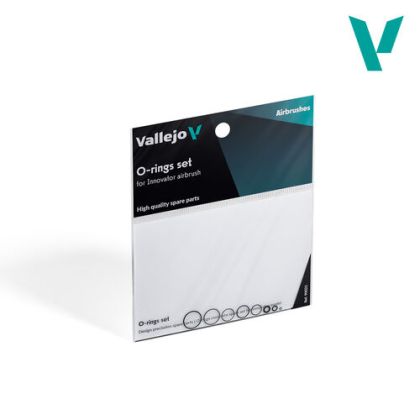
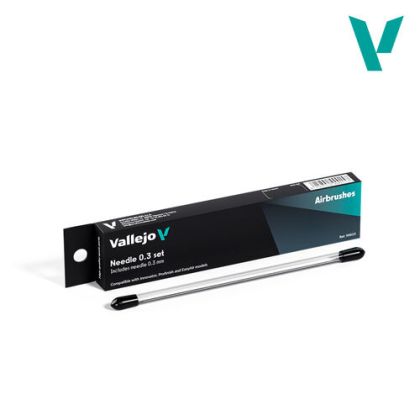
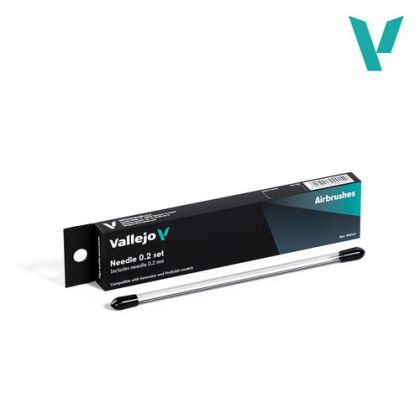
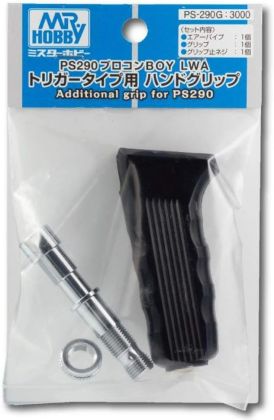
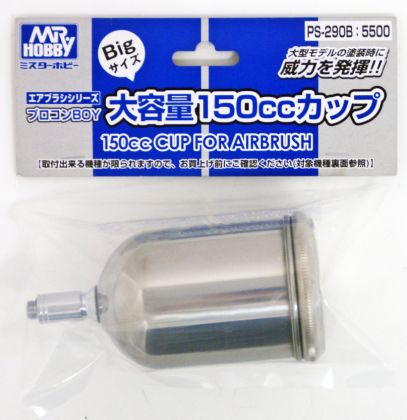
The needle, the nozzle and the seals are consumables. A bent needle tip announces itself immediately, because the pattern starts throwing paint off to one side. Spare parts and accessories covers needles, nozzles, seals, hoses, quick couplers, holders and cleaning stations.
Nobody learns this from a manual. Set the pressure, thin the paint, fix the distance and spray scrap plastic until you can lay a flat, even panel with no runs. The rest of the bench is in modelling supplies.