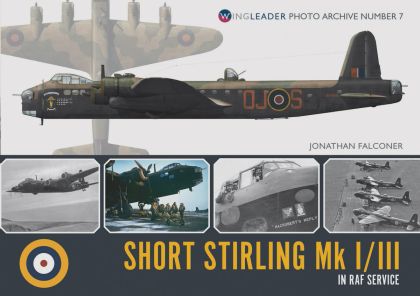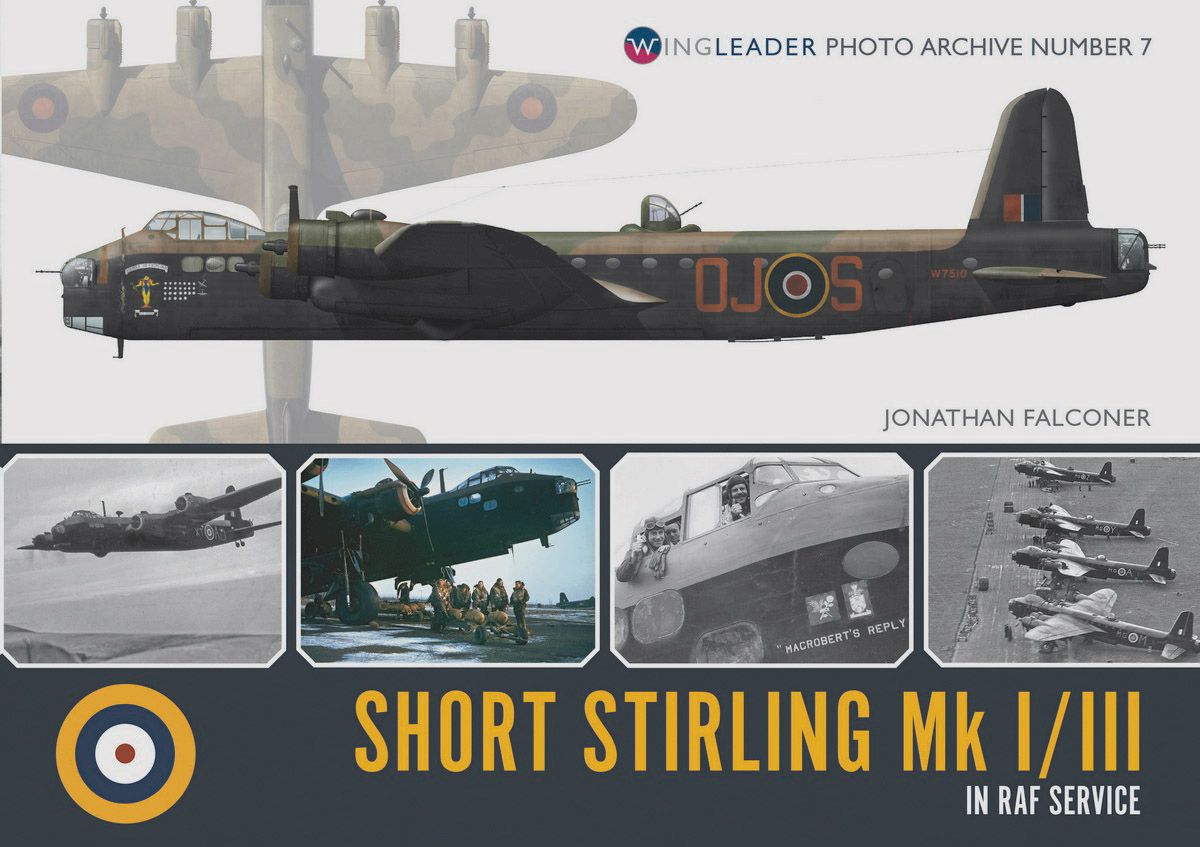
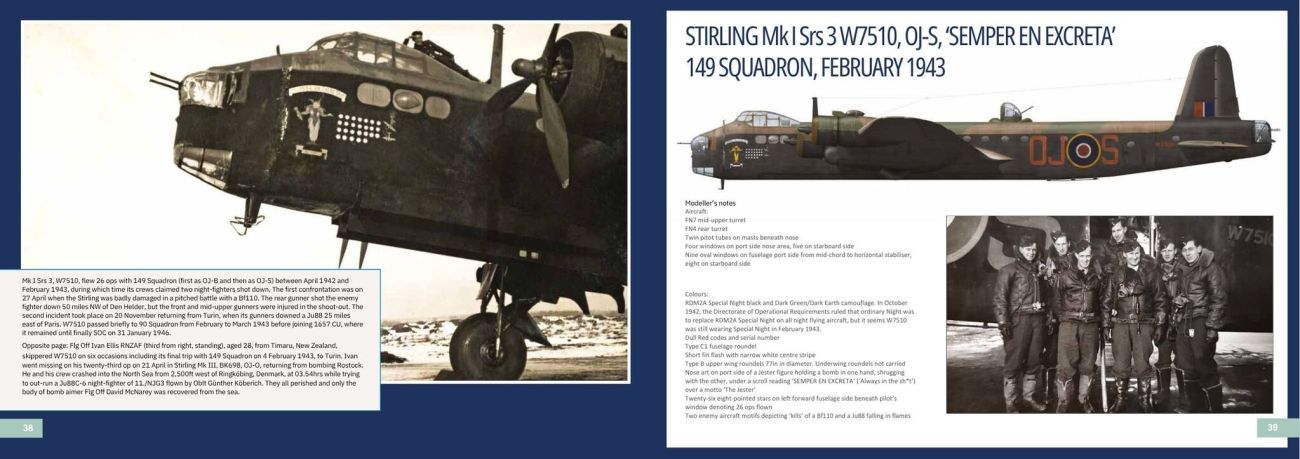
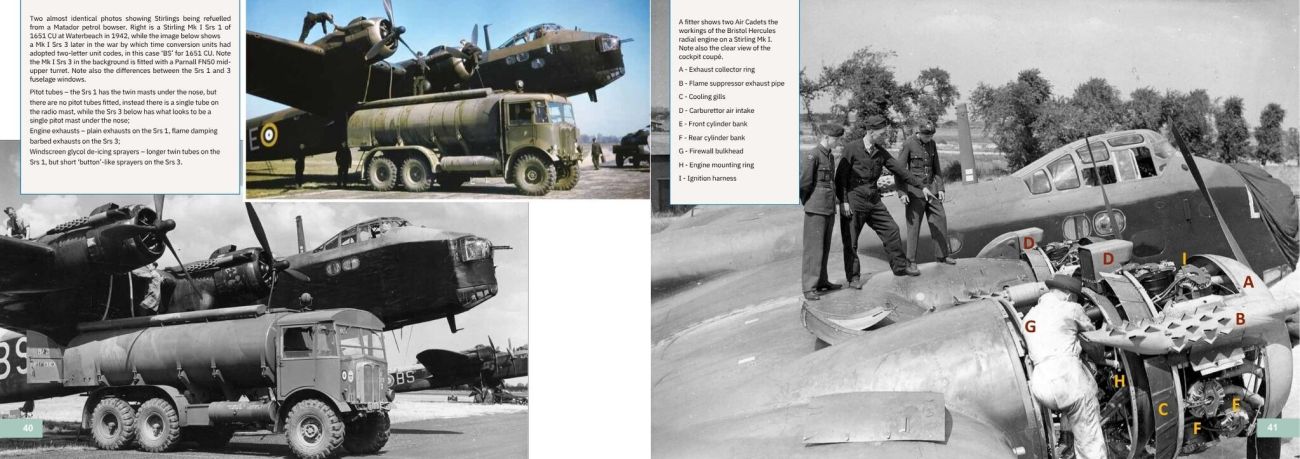
Short Stirling Mk.I and Mk.III in RAF service is volume 7 of the Wingleader Photo Archive photographic series. The author is Jonathan Falconer and the publisher the British Wingleader.
Responsibility details are not available.
A photographic publication, volume 7 of the numbered Wingleader Photo Archive series from the British publisher Wingleader; the author is Jonathan Falconer. The part keeps to the bomber versions of the Stirling, that is the Mk.I and Mk.III. The transport and glider-towing Mk.IV and Mk.V Wingleader issued as a separate volume 11 of the same series — the distinguishing mark is therefore the role of the aircraft, not just the version designation.
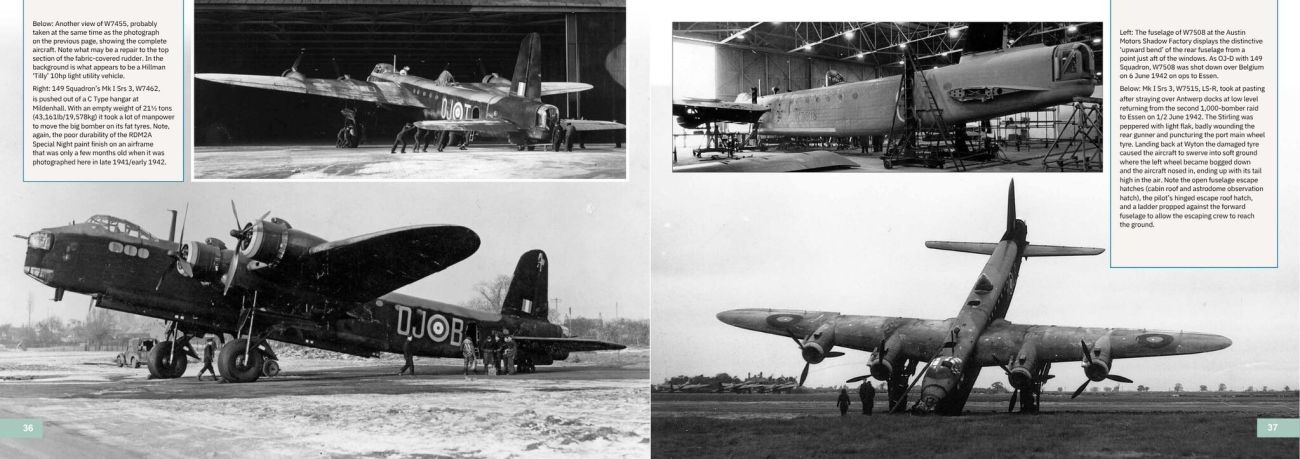
The Stirling was the first four-engine bomber the RAF sent over Germany, in 1941. Its specification limited the span of its wing, however, so it had a low operational ceiling and over the target it flew below the Halifaxes and Lancasters, with losses to match. Its bomb bay was moreover divided by spars, so the largest British bombs could not be loaded into it. The Mk.III was given more powerful Bristol Hercules engines and a new dorsal turret, which is a visible difference from the Mk.I in photographs. From 1943 the Stirlings withdrew from the front line of bombers to mining operations and supply drops.
For modelers who build a bomber Stirling and need to check the turrets, the engines and the squadron markings, and for anyone interested in RAF Bomber Command in the first years of the war. It is a book, that is picture reference with no tie to a scale.
Check the extent, the arrangement and the language version on the box.
Naši poradci a znalci sortimentu jsou připraveni odpovídat na Vaše dotazy (Po–Pá, 8–18 hod).
Zeptejte se na co potřebujete, odpovíme co nejdříve.
Texts from customers in the advice section reflect solely the opinions and views of the customers. MNF trade s.r.o. does not approve or verify customer texts in advance.
There are no questions here yet. Be the first to ask!