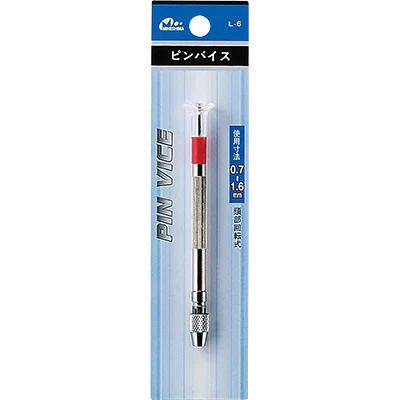
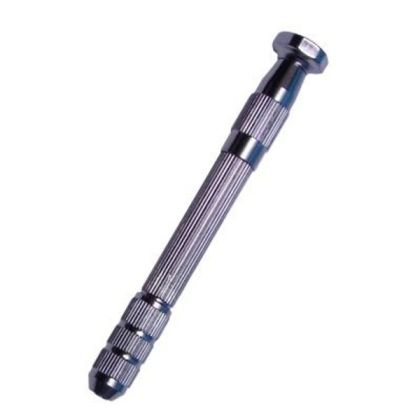
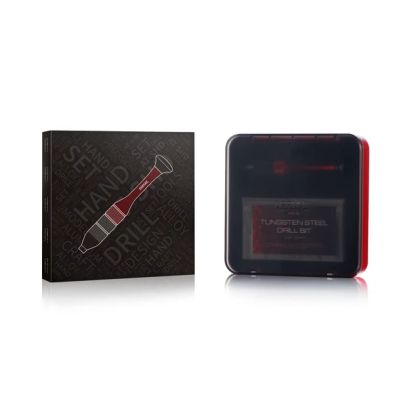
A micro drill is a compact tool for drilling and light machining where hand work would simply take too long. What turns up here is almost entirely hand-powered: holders with a quick hand drive that behave like an improved pin vice, a precision hand drill set in a metal body, and tools for hand carving and for shaping an even slope. One mains-powered hand drill sits alongside them. In every case the clamping range is very small, matched to fine bits and to burrs with a slender shank, and none of it is intended for anything a workshop drill would be handed.
The moment there are a lot of holes. A perforated screen, a row of riveted holes, twenty opened gun muzzles on one armour subject — a pin vice can do all of it, but it will cost you an evening. The second reason is hard material: resin, cured two-part putty and metal drill slowly and strenuously by hand.
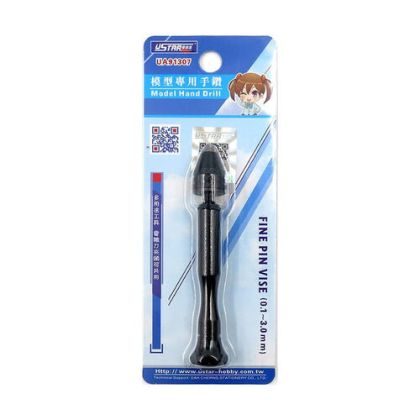
The drive comes from pressing or quickly working the handle, so no power supply is needed and you keep the feel of the cut. They are quiet, light and suited to styrene. Into hard materials they will not get as easily as a powered tool.
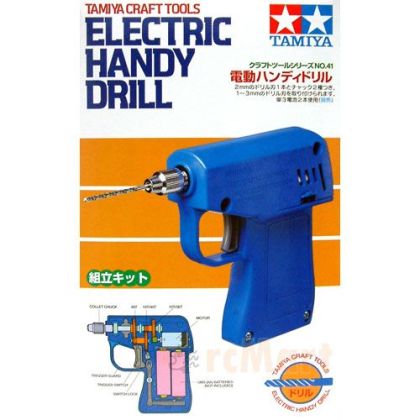
One listing covers it. A motor takes a long run of holes and harder material off your hands, but heat from a spinning bit softens styrene, so work in short bursts and let the part cool between them. With the right accessory fitted it also mills, sands and polishes.
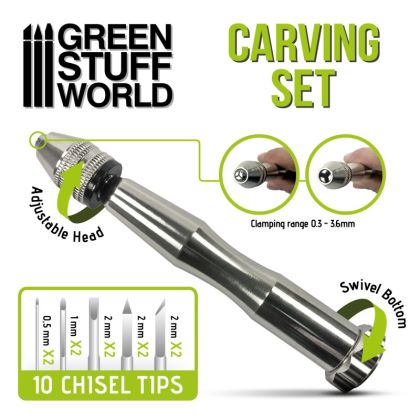
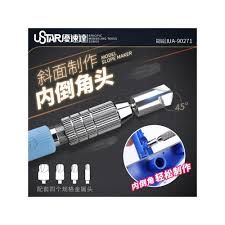
Beside the drills sit a set of hand carving blades and a jig for cutting an even slope. They run on wrist power alone, so the feel of the cut stays in your fingers and nothing can skid across a surface under its own rotation.
Check which shanks the tool accepts. Modelling burrs and grinding heads usually have a standardised shank diameter, while fine drill bits are much thinner and need a collet of their own. The accessories live in tools for micro drills.
With the powered tool, work in short bursts and let the material cool between them. The part must be clamped rather than held in the fingers — a rotating tool can snatch a small component out of your hand. On resin and printing resins wear a respirator and use extraction where you can, because the dust is a health hazard. Help with that is in electric tools.
For a single hole in a thin wall the safer choice remains a hand-turned tool from drilling and milling.