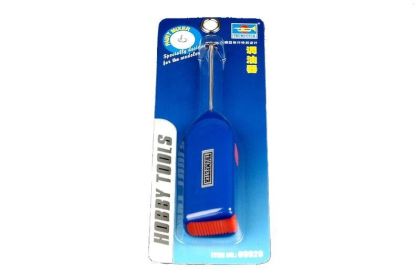
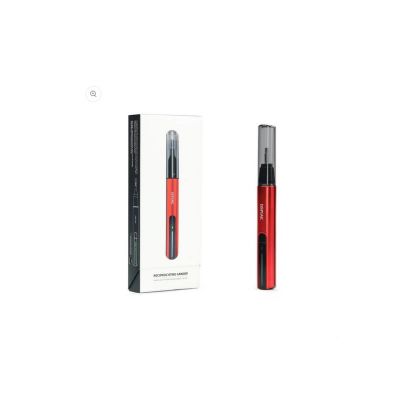
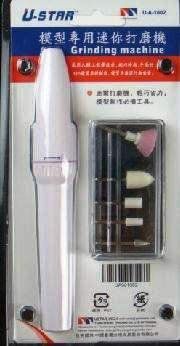
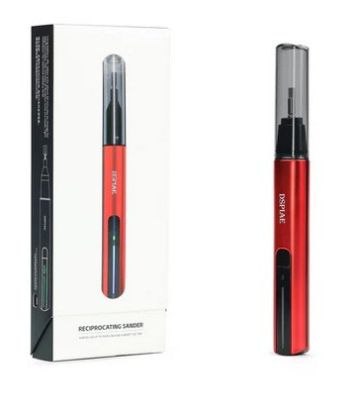
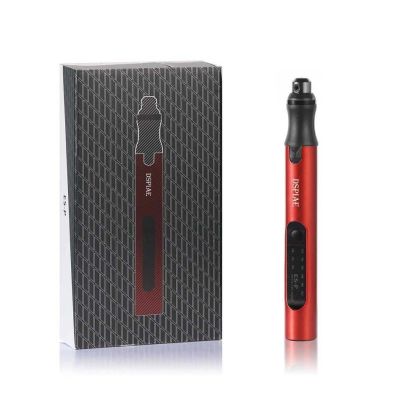
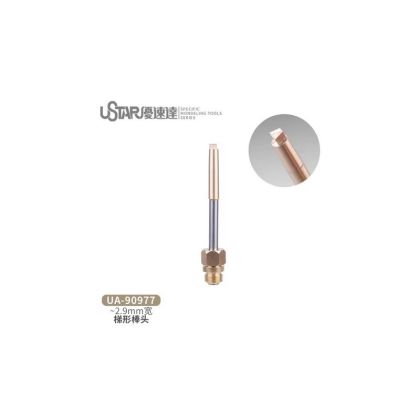
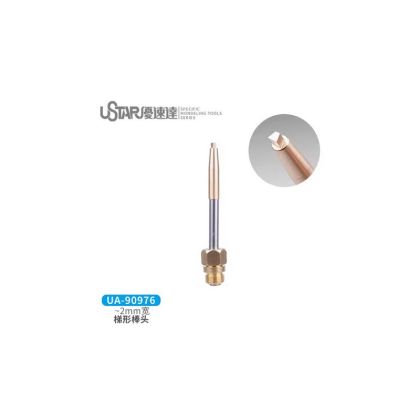
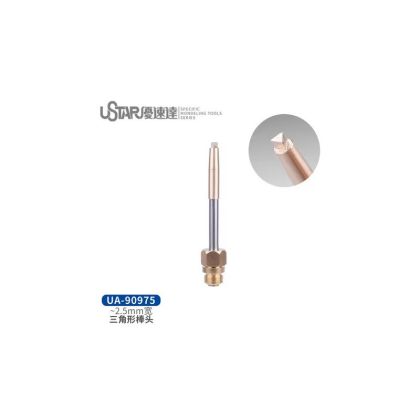
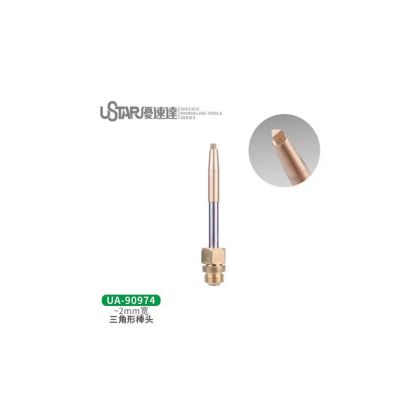
Powered tools start to make sense the moment hand work is holding you back — on conversions, resin parts, large scales and batches of identical details. The category takes in oscillating and vibrating sanders, electric drills and grinding pens, dust extractors that work at the point of sanding, hand vacuums for clearing the bench between steps, hot melt guns, hot air guns for forming plastic, and heated cutting and burning tips with interchangeable heads. What they share is speed on jobs where a hand tool means minutes of pressure and sore fingers.
When you are removing a lot of material repeatedly. Truing the mating faces of a resin fuselage by hand is long minutes of effort; with a powered sander it is over quickly. The same goes for conversions, where large areas have to be levelled, and for 3D-printed parts. On fine detail, by contrast, a hand tool stays more accurate and safer, because the feedback arrives through your fingers.
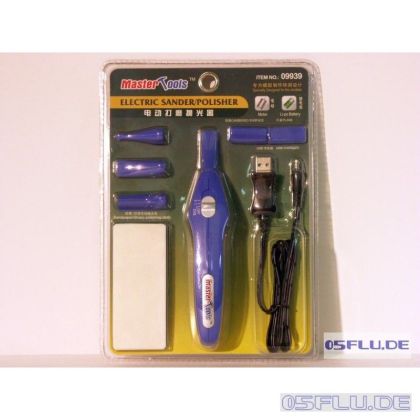
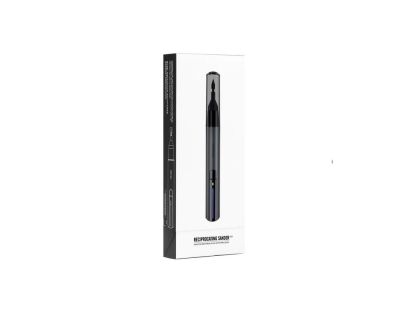
A short oscillating stroke replaces the hand pass and holds a plane. They run with interchangeable sanding heads and pads of the kind found in abrasive papers. Work at low speed — heat softens styrene and instead of a level surface you get a drawn smear.
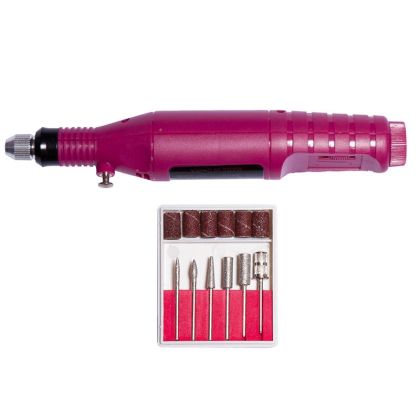
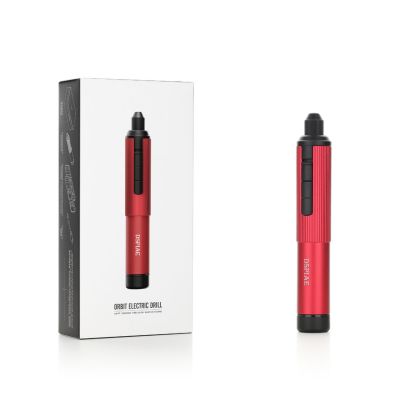
For drilling in series, for milling and for opening a hole out. They follow on from drilling and milling, where the bits and burrs with the matching shank diameter are kept.
Sanding dust from plastic, and from resin in particular, belongs neither in your airways nor on fresh varnish. An extractor works right at the point of sanding, a hand vacuum clears the bench between steps. It is a cheap investment in health and in a clean finish.
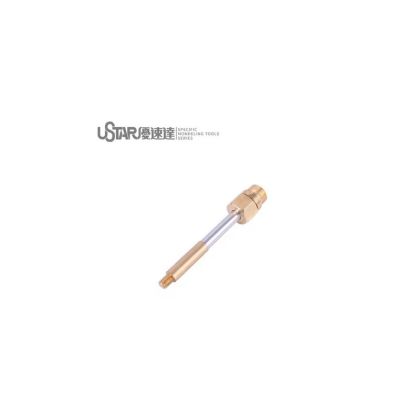
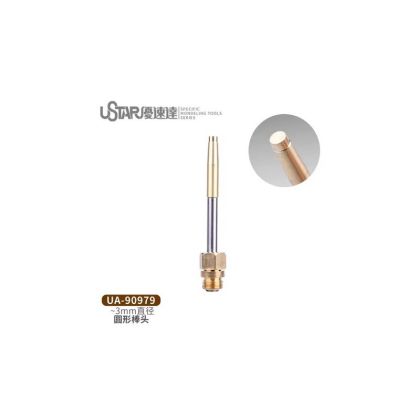
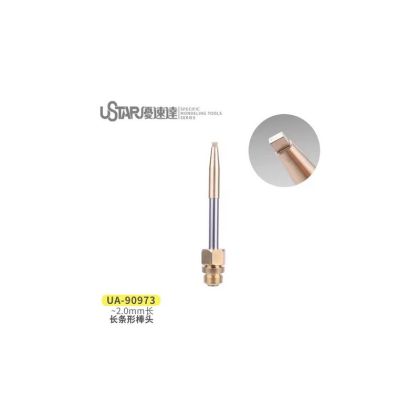
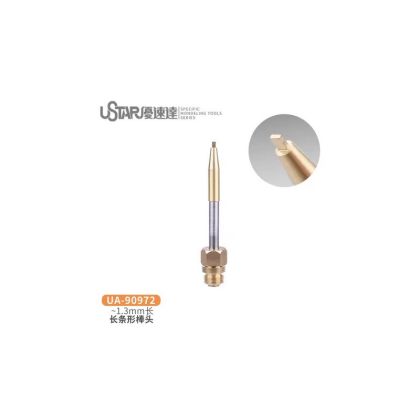
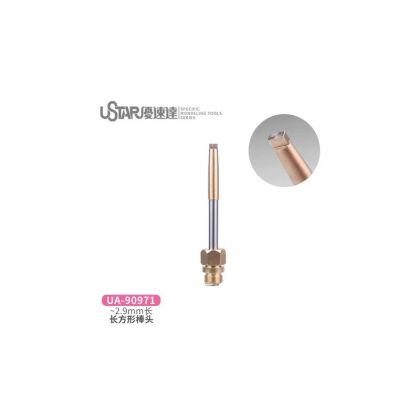
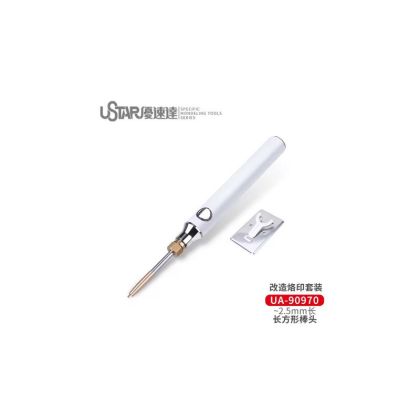
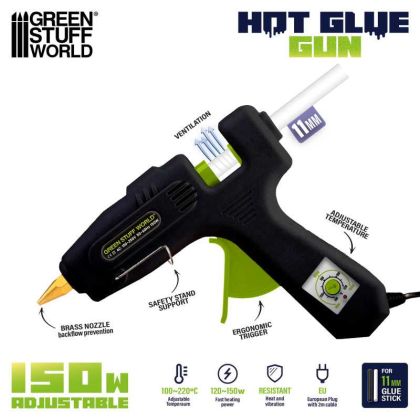
A hot melt gun bonds the rough structure of a diorama, a hot air gun bends a styrene profile or forms a clear part, and heated tips with interchangeable shapes press indentations and openings into plastic. All of them want a test on an offcut, because temperature and dwell time differ with the material. The stock itself is in scratch-building materials.
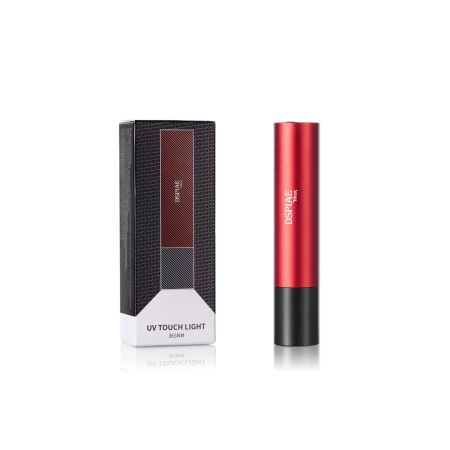
A UV torch belongs with curing UV resins and with checking a surface, where raking light reveals flaws invisible on the bench.
If basic equipment is still your priority, start in modelling tools and leave the mains lead for the point where hand work hits its ceiling.