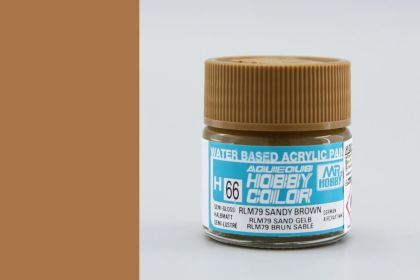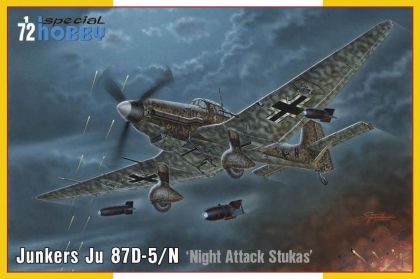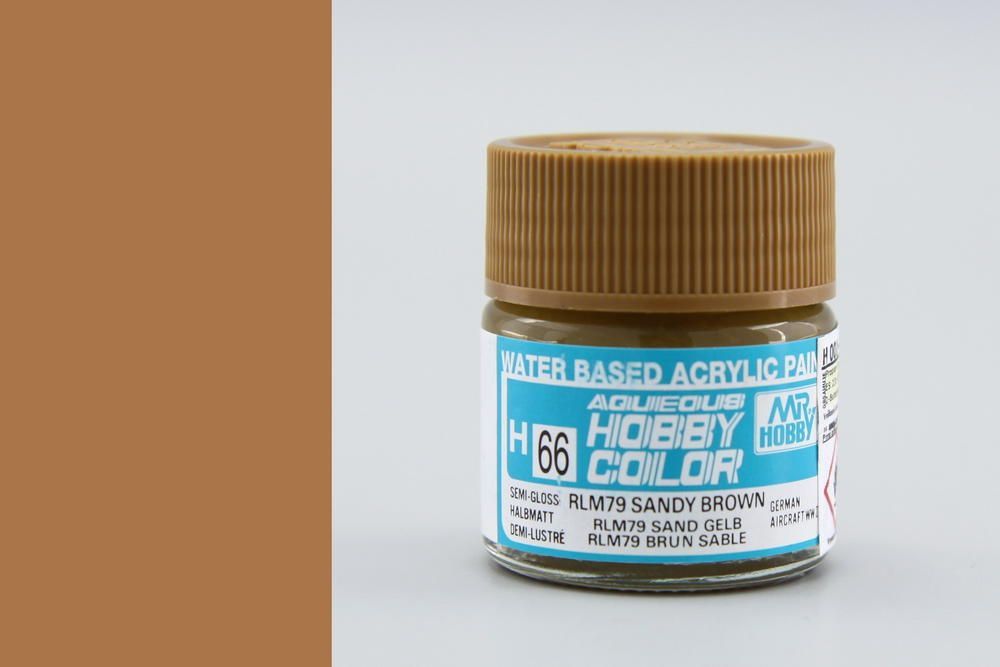

The sand yellow of the German aircraft specification RLM 79. The basic shade of Luftwaffe machines deployed in North Africa.
Responsibility details are not available.
When the Luftwaffe moved to Libya at the start of 1941, it turned out that European gray shone over the desert like a target. A sand yellow shade listed under the number 79 was therefore introduced, and the upper surfaces of the machines were oversprayed with it directly in the field. It was carried by tropical Messerschmitt fighters, Junkers dive bombers, twin-engine Messerschmitts of the destroyer version and Heinkel and Junkers bombers operating from Tripoli to El Alamein.
The undersides of the aircraft stayed light blue according to specification 78 and on a number of machines irregular patches of olive green were additionally sprayed over the sand to break up the uniform surface. Later examples deployed over the Mediterranean and in Italy carried the same tone in a browner form, because mixing in field conditions was never repeated exactly the same way.
Desert machines were worn. Wind-borne sand abraded the leading edges, fuel and oil left dark streaks behind the engine and mechanics routinely touched the paint up from another batch during repairs. It therefore pays to break the base coat up with patches lightened slightly with white, then let it dry and add dust pigment around the landing gear.
The binder of this line takes thinning with water as well as with the manufacturer's own thinner. Light earth pigments of this type cover well, but on dark plastic it is sensible to start with a light base, otherwise the shade shifts toward green.
Naši poradci a znalci sortimentu jsou připraveni odpovídat na Vaše dotazy (Po–Pá, 8–18 hod).
Zeptejte se na co potřebujete, odpovíme co nejdříve.
Texts from customers in the advice section reflect solely the opinions and views of the customers. MNF trade s.r.o. does not approve or verify customer texts in advance.
There are no questions here yet. Be the first to ask!