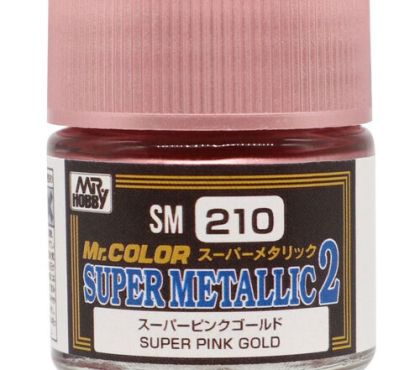
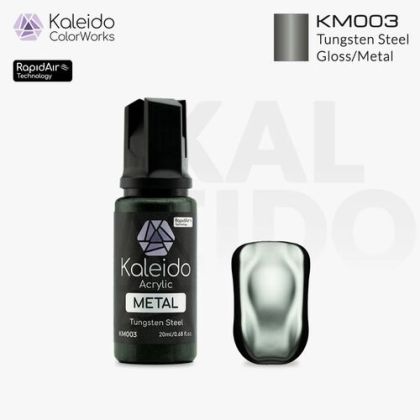
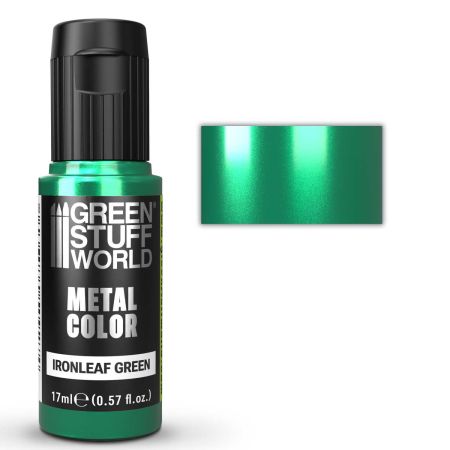
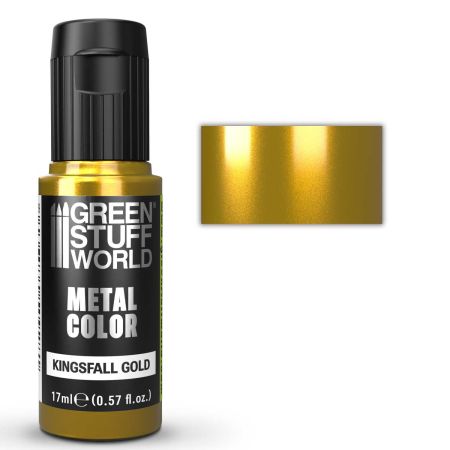
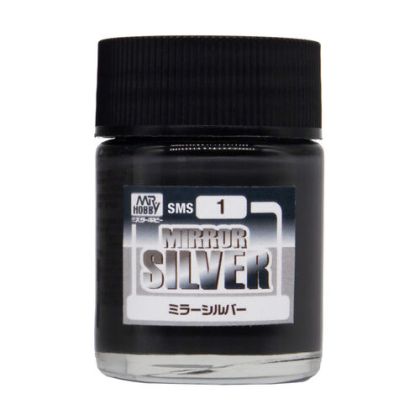
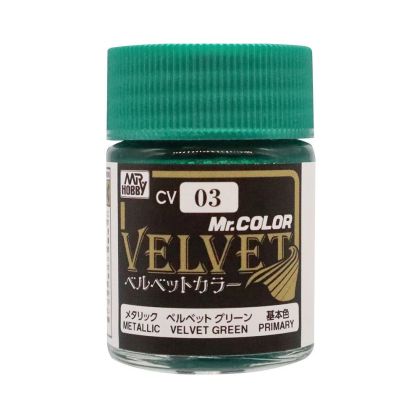
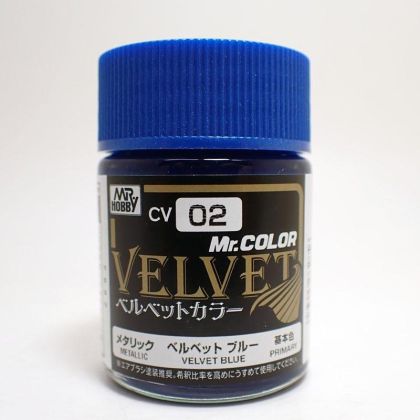
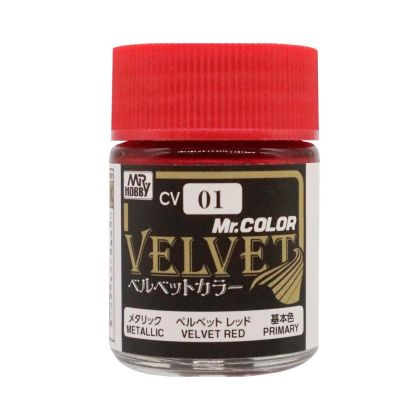
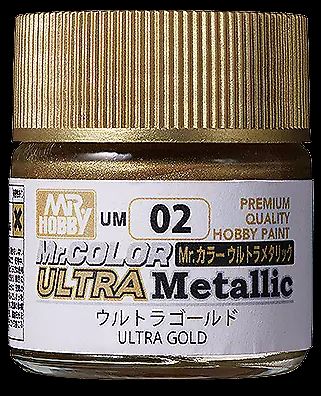
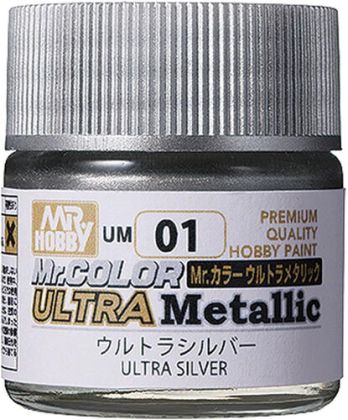
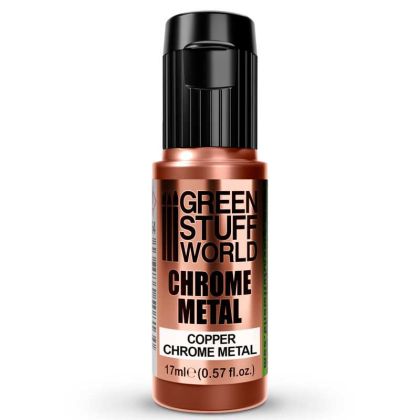
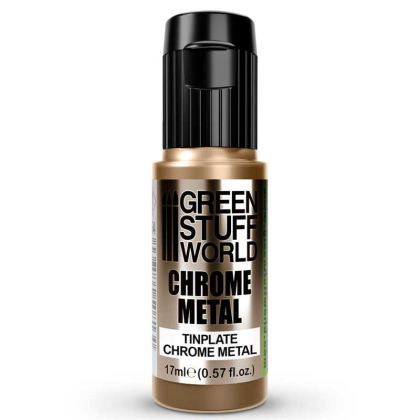
Metallic model paints do not imitate metal with a shiny tint; they carry actual metal particles, and that changes how they behave. They need a smoother ground than ordinary colour, they go on in thinner layers, and some ranges only reach full lustre after being buffed once dry. On the shelf here are silvers and aluminiums, golds, brass, copper, gunmetal and the burnt tones used on exhausts and heat-stressed panels.
Below is what separates the lacquer, acrylic and paste types from one another, and how to prepare a surface so that metal paint actually reads as metal.
Metal pigment is far coarser than colour pigment and cannot hide anything underneath. It does the opposite: a scratch, an unsanded seam or a smear of cement will jump out of a silver coat. The second peculiarity is film strength. Metal particles stack loosely, so the surface takes less handling and masking tape can lift it. Plan metal areas as late in the build as the sequence allows.
A matt aluminium airframe and a mirror-bright panel are two different paints. A mirror finish demands a smooth gloss ground, while matt aluminiums sit happily on a standard coat from surfacers and primers.
The finest metal effect comes from airbrush equipment, because a fine mist deposits the particles evenly. Brush-friendly ranges carry more binder and suit figure work, and paste types are rubbed on with a cloth, a cotton bud or a fingertip.
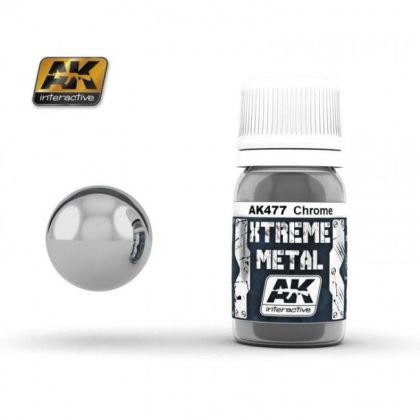
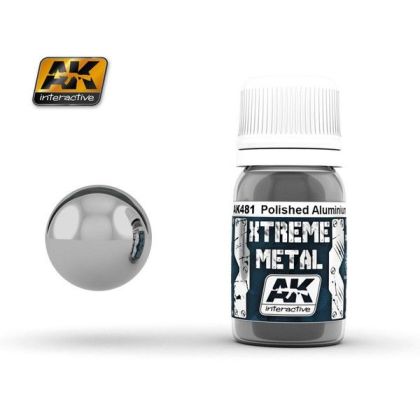
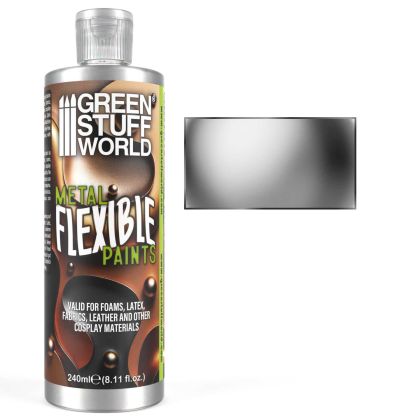
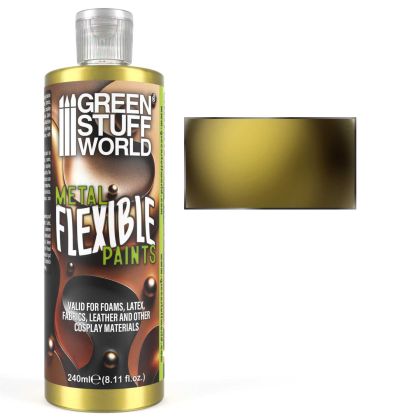
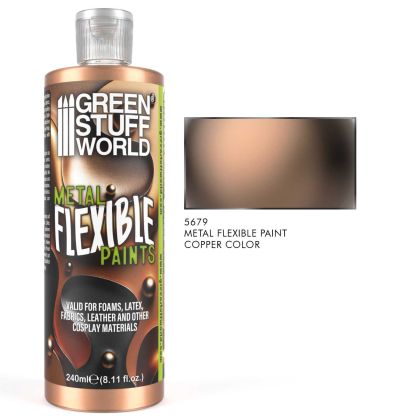
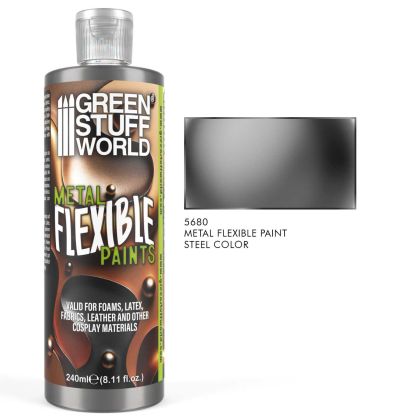
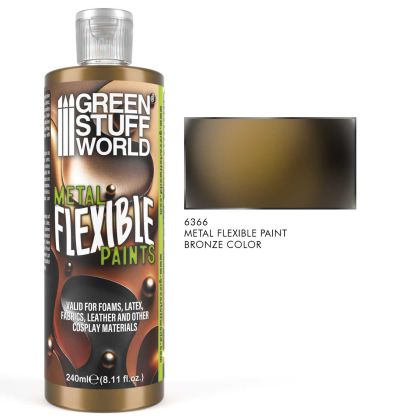
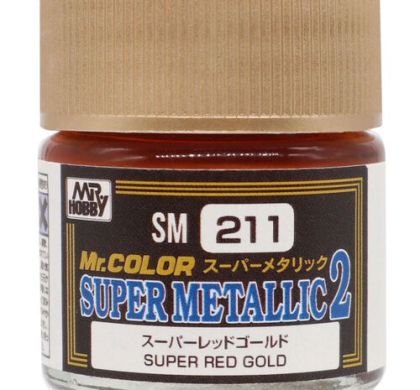
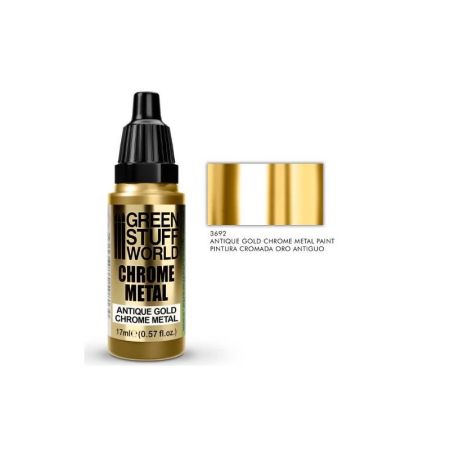
Water-thinned options for brushwork include Vallejo metallics and the chrome and pearl tones of Green Stuff World metallics. Solvent ranges built for spraying include Gunze metallics, Alclad II from AMMO and XTREME Metal, while TRUE Metal is a paste applied entirely by hand.
Every other binder, from enamel to oil, is listed in the parent section model paints, which is also where to start if a model needs opaque colour around its metal areas.