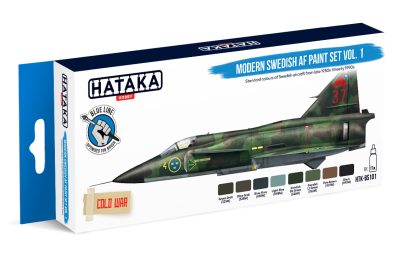
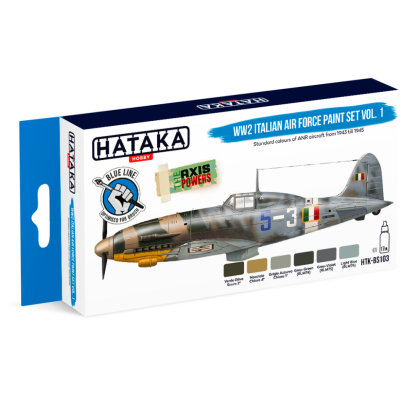
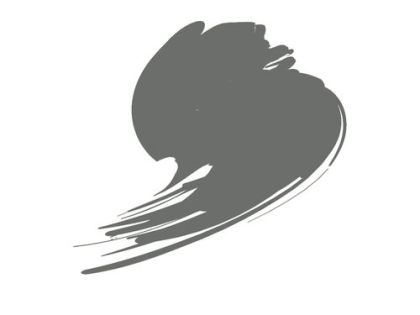
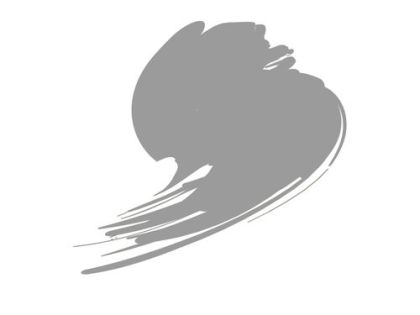
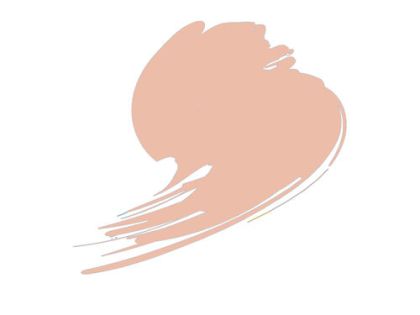
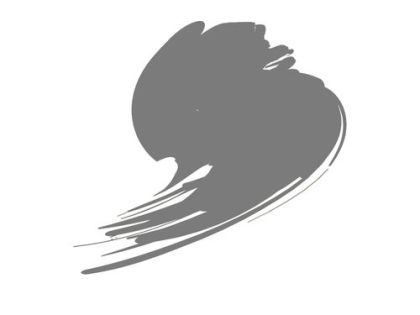
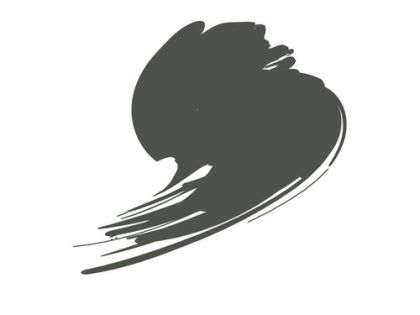
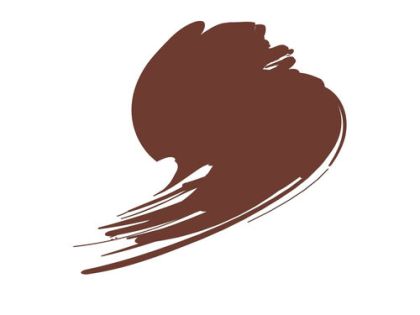
Blue Line in ten-millilitre jars is the way to build a palette one shade at a time instead of buying a whole set for a single missing tone. The range mixes RAL-based shades, historic French tones, interior colours such as zinc chromate primer and a flesh tone for figures.
The binder is water-thinnable acrylic, so the paint has little smell, thins with water and washes out of brushes without solvent. Ten millilitres goes a long way across several models.
Most kits need two or three shades you do not already own. Buying singles is cheaper and more practical than another set, half of which you use and half of which dries out in a cupboard over the following years. Ten millilitres lasts across several models if you thin the paint and spray in light coats, so even for frequently used tones this is not a small bottle.
Shades carrying a RAL code or a reference to a particular service can be matched against the kit instructions. With interior tones, expect real-world variation between manufacturers and production batches, so a small difference is not an error.
For the brush, leave the paint at factory consistency and only soften it on the palette with a drop of water. For spraying, bring it down to the consistency of milk. The modelling brushes category covers hair types and tip shapes, and synthetic hair suits water-thinnable acrylic best.
Let the coat cure rather than merely dry before tape goes anywhere near it. A day is a reasonable margin, and a clear coat over the top makes masking and decalling considerably safer.
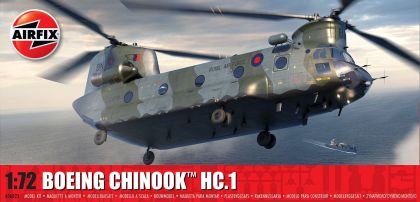
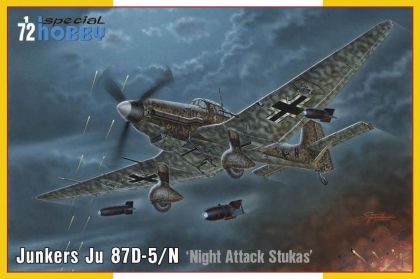
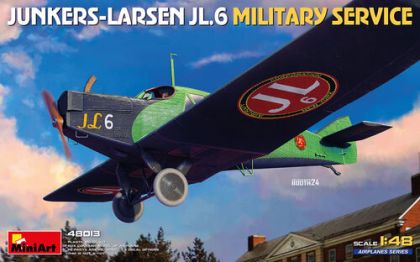
Flesh and textile tones from this line usually head for figure kits, while the RAL shades lean towards military vehicle kits. The whole brand range sits under Hataka acrylic paints, and a wider comparison waits in the acrylic paints category.