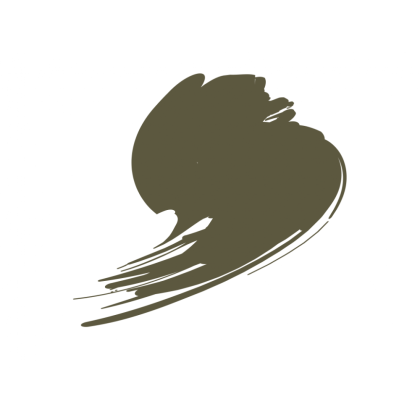
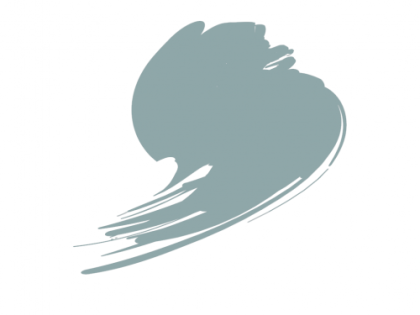
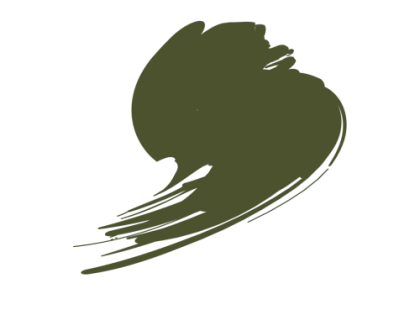
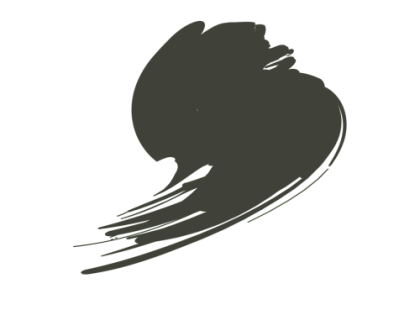
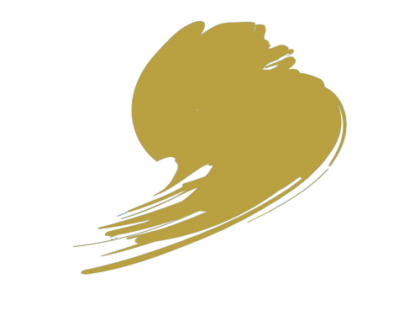
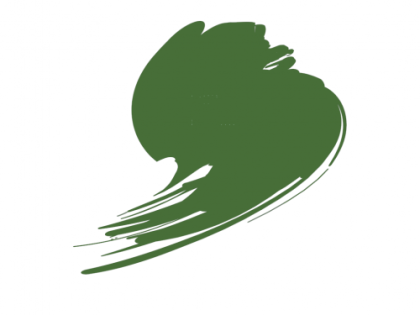
Orange Line is a lacquer type and behaves accordingly: it flashes off fast, forms a very thin coherent film and takes masking tape without complaint. The range covers shades to German RAL codes, British BS, American FS and further national standards, from deep greens through to naval blues.
Single jars let you top up exactly the tone your palette is missing, with no need to buy a whole set for the sake of one colour. The notes below explain why a lacquer film behaves the way it does and how to handle it safely at a home bench.
Once cured, a lacquer film is harder and thinner than an acrylic one. On the model that translates into two concrete advantages: masking tape does not soak into the finish and will not lift it when peeled, and engraved panel lines stay readable after several coats. For multi-colour camouflage with hard edges that difference is decisive.
Thin only with the lacquer thinner from the same line. It tolerates generous thinning, so it sprays well at lower pressure in light passes. Equipment for that work lives in the airbrush section.
Work with ventilation and a respirator, since the fumes are stronger than with water-thinnable colours. Strip and flush the gun the same day, because cured lacquer is much harder to shift. The products you need are among the thinners and cleaners.
A lacquer coat is a dependable ground for acrylic weathering and oil work, because the solvents in those products will not attack it. In the other direction, lay the first lacquer pass thinly over acrylic so the colour underneath is not lifted.
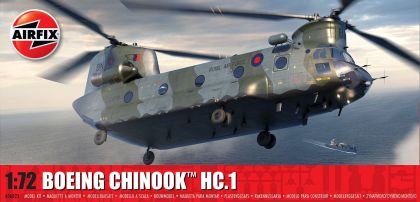
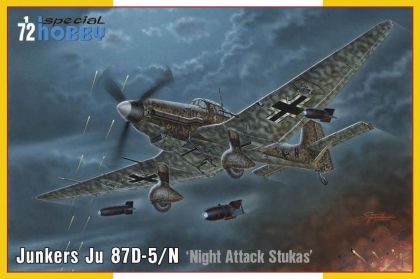
The national standards in the range point mainly at aircraft kits, while the naval greys and blues point at ship kits. All the brand's lines are gathered under Hataka acrylic paints.