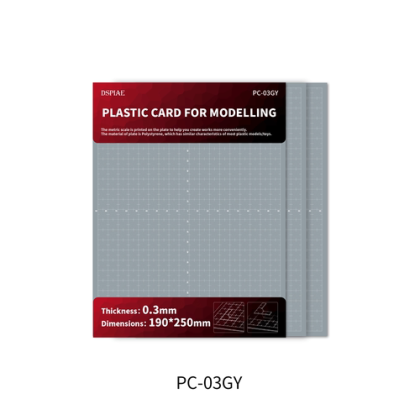
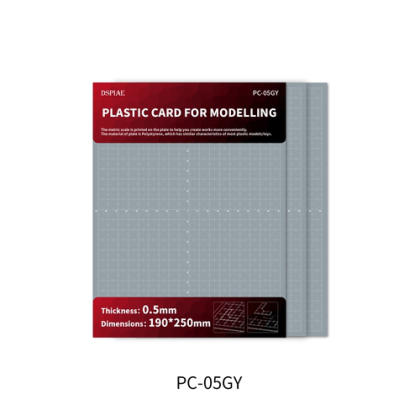
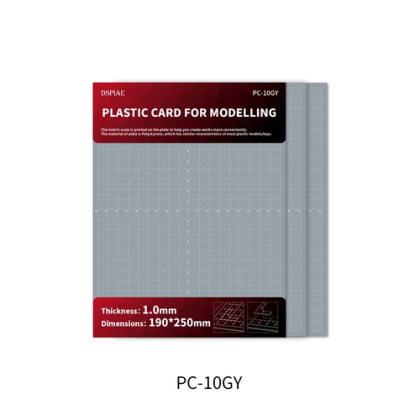
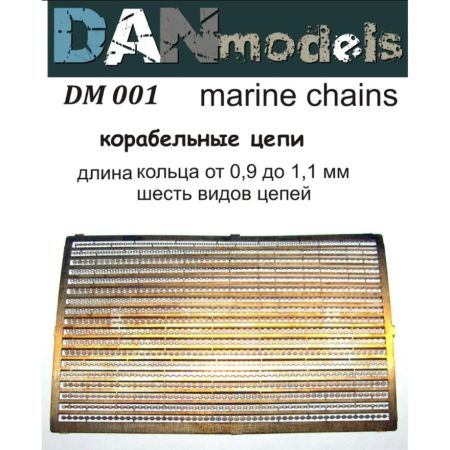
Scratch-building materials are the raw stock a modeller cuts to size: styrene and brass profiles, sheet, rod, wire and tube, wood, clear and coloured film, mesh and chain. Nothing here is a finished part. Each item arrives in one length or one format, and you saw, sand and glue it into whatever the model is missing — a strut in a wheel bay, a railing on a superstructure, an exhaust pipe the kit never had.
Below are the individual groups of stock, together with practical notes on matching a material to your scale and to the tools you will need to work it.
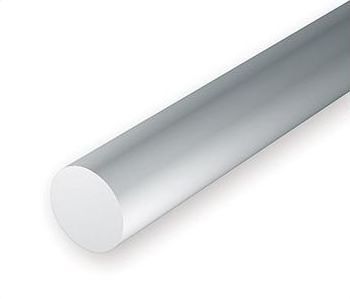
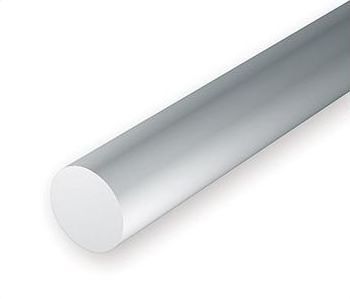
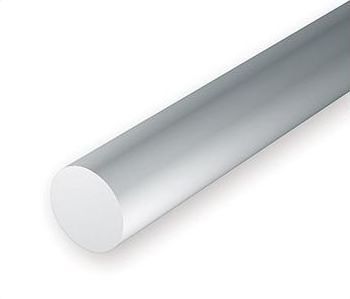
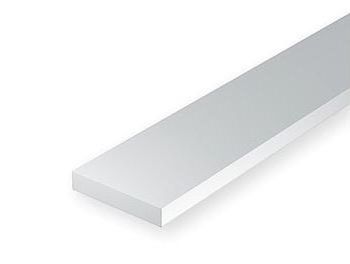
Semi-finished stock rather than ready-made parts. A profile, a sheet or a length of wire comes in one cross-section, and the finished dimension is your decision. That is the whole point of it: the shape is fixed, the size is not. One pack of 1 mm rod can become a hydraulic line, an aerial, a handrail or a hidden brace, depending on where you cut it.
Plastic kits take styrene and ABS, because both bond with the same solvent modelling cement as the rest of the sprues. Flying models and load-bearing frames are built from wood, while parts that must bend or carry weight come from metal. Buildings and groundwork usually call for textured sheet with brick, cobbles or corrugated iron already embossed into it.
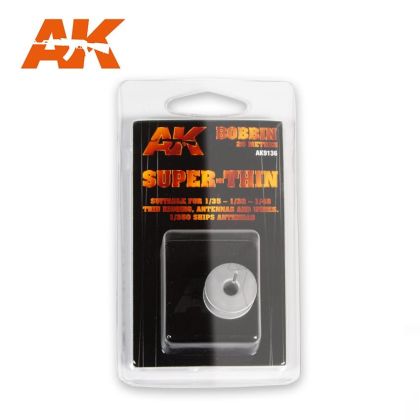
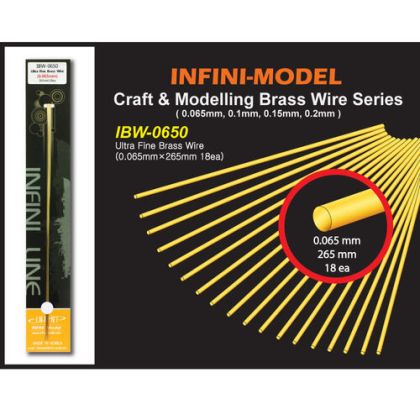
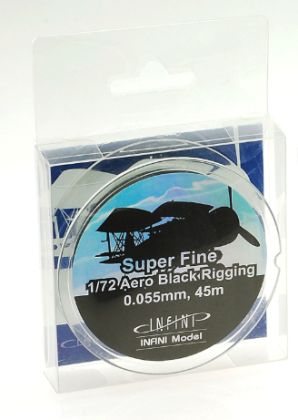
Always convert the stock size to the full-size original. A 1 mm rod reads as a 35 mm pipe in 1:35 and as almost 72 mm in 1:72 — a drainpipe rather than a conduit. Fine work in small scales therefore needs the thinnest series available: rigging thread measured in hundredths of a millimetre, wire from 0.065 mm, styrene sheet from 0.2 mm.
Styrene cuts with a blade and snaps cleanly along a scored line. ABS holds its shape better and tolerates bending. Brass and copper can be formed and soldered. Plywood and carbon need a fine-toothed saw. The harder the material, the more a sharp tool, a steady hand and a scribed guide line matter.
If the stock is meant for the scene under the model rather than the model itself, carry on to diorama accessories, where textures, water and small-scale architecture follow on from one another.