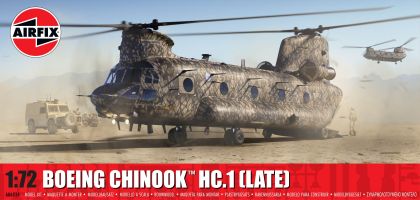
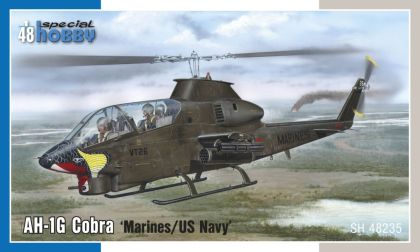
Shades for equipment deployed in Southeast Asia: an olive base, dark added tones for the pattern applied in the field, and the reddish dust of muddy roads.
Responsibility details are not available.
The battlefields of Southeast Asia set crews the opposite task from the European plains. Damp growth swallows light, the shadows are deep and a machine is lost in it only when dark areas break up its surface. American and Allied equipment therefore went out in a uniform olive finish, on which the units often added irregular fields of a darker green and of black, painted on right in the rear parks.
The characteristic feature of this period is not so much the pattern as what the weather did to it. In the dry season a red-brown laterite covered the armored vehicles and turned the running gear and the lower hull rusty, while after the monsoon rains dark streaks of running water stayed on the sides. Wear was exceptionally quick, so the olive base faded within a few months into a lighter tone tending toward gray.
A model gets the right character when the finish is built up in layers: a deeper olive in the shadows and the seams, a markedly faded one on the large horizontal surfaces, and only then the pattern. Apply it freehand, as the outlines of the fields were irregular and often sprayed rather coarsely. The closing dust belongs above all to the tracks, to the fenders and to the rear around the exhaust, where it was stirred up at every move. Anyone building a scene from the rainy season can leave half the vehicle wet and glossy, because the difference between a dry and a soaked surface gives a scene a substantial part of its atmosphere.
Naši poradci a znalci sortimentu jsou připraveni odpovídat na Vaše dotazy (Po–Pá, 8–18 hod).
Zeptejte se na co potřebujete, odpovíme co nejdříve.
Texts from customers in the advice section reflect solely the opinions and views of the customers. MNF trade s.r.o. does not approve or verify customer texts in advance.
There are no questions here yet. Be the first to ask!