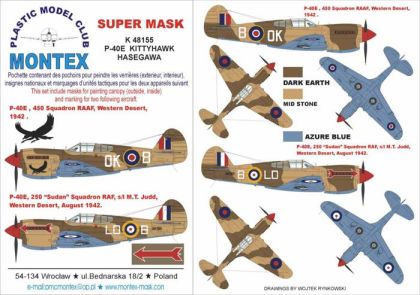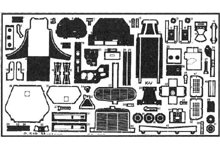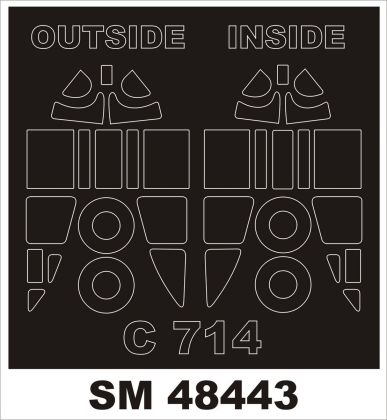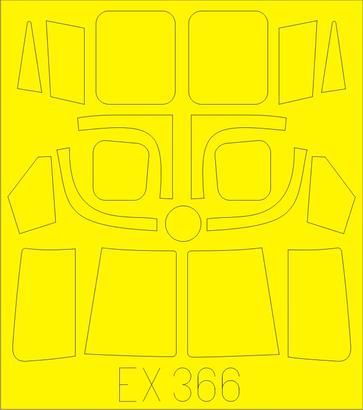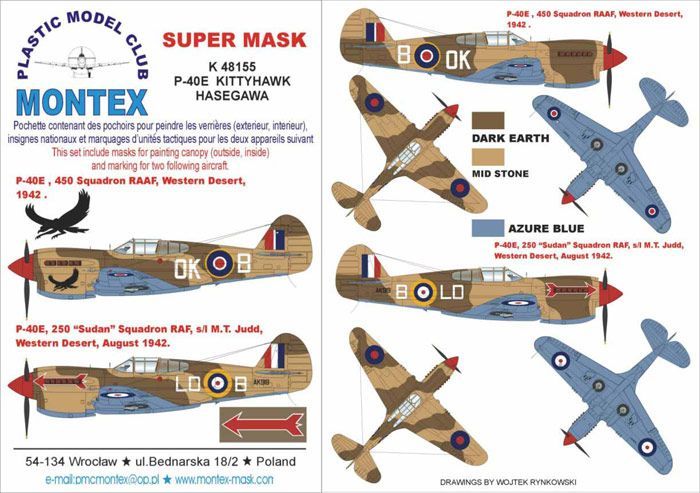
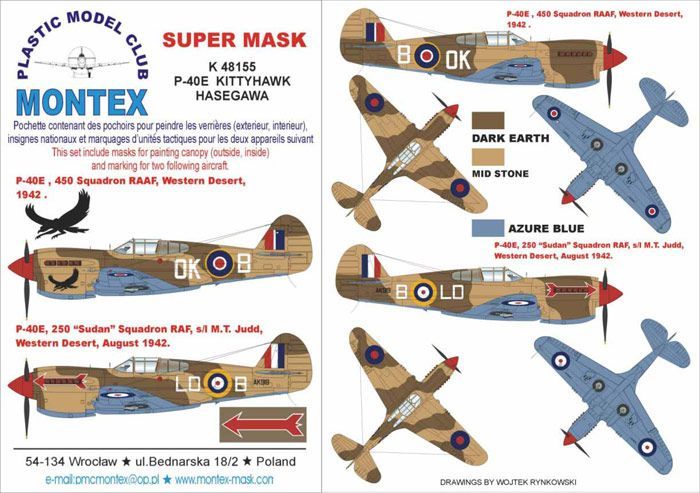
A masking sheet in 1:48 for the Curtiss P-40E in the desert RAF form. It covers the cockpit glazing from both sides and adds two sets of national insignia masks.
Responsibility details are not available.
British and Allied squadrons in North Africa received the Curtiss P-40E at the moment when they needed anything that would carry a bomb and survive low flight over a sandy plain. The inline Allison without a second stage of supercharging limited the aircraft at altitude, but low above the ground the P-40 took rough handling, had six heavy machine guns and sturdy landing gear for field surfaces. It is precisely from the desert squadrons that the most famous decoration of the whole war comes, the shark mouth painted around the radiator intake. The camouflage consisted of sand and brown areas with a blue underside that blended with the African sky.
Masking national insignia works the other way round from what one would expect. First the color that is to be inside the circle is sprayed, over it comes a circular piece of film and only then the surrounding shade is sprayed. One proceeds from light tones to dark and always in thin coats, because a heavy coat creates a ridge at the edge of the mask which is left as a tangible outline once it is lifted. Anyone who draws the order of the colors on paper before reaching for the airbrush saves repainting.
Two sets of insignia cover the wing as well as the fuselage and leave room for one unsuccessful spraying too. British roundels of the desert squadrons tended to have a narrowed outer ring, so it is worth comparing the shape of the mask with a period photograph of the machine you are building.
Naši poradci a znalci sortimentu jsou připraveni odpovídat na Vaše dotazy (Po–Pá, 8–18 hod).
Zeptejte se na co potřebujete, odpovíme co nejdříve.
Texts from customers in the advice section reflect solely the opinions and views of the customers. MNF trade s.r.o. does not approve or verify customer texts in advance.
There are no questions here yet. Be the first to ask!