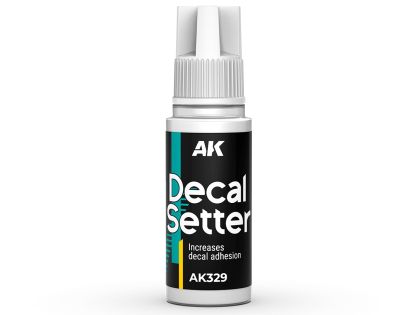
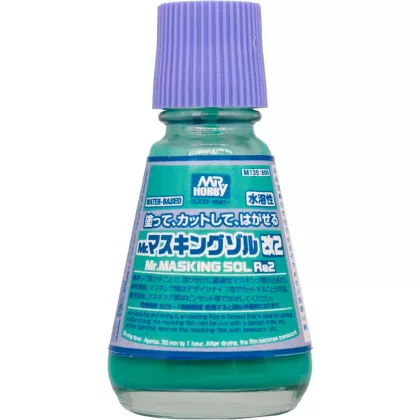
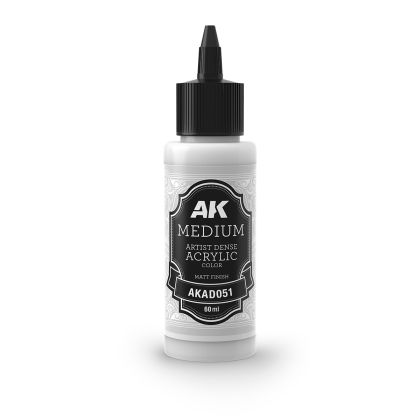
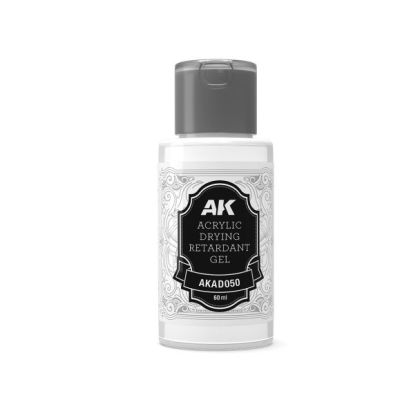
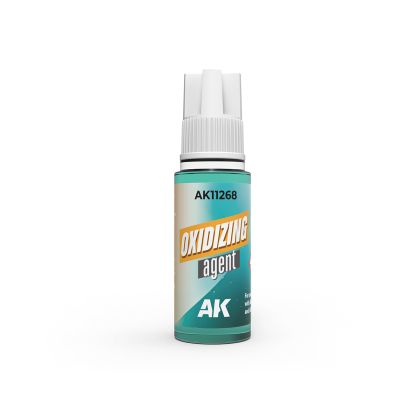
Auxiliary chemicals build nothing on their own, yet they decide whether everything else works. A decal that beds into a panel line instead of floating on a silvered film, an acrylic that stays open long enough to be brushed out evenly, a failed paint job lifted off without harming the styrene underneath, a masked edge that comes away clean — each of those outcomes hangs on one small bottle. What the groups here share is that every product answers a single, specific problem rather than doing a bit of everything.
The section covers decal setting solutions and softeners, drying retarders, masking fluid, paint removers, polishing compounds, metal blackening agents, flat base and a mixed group of mediums, additives, lubricants and brush care.
Most of the trouble on a model does not start with a bad kit or a bad paint. It starts at an interface: a decal bridges a raised rivet instead of sinking onto it, acrylic skins over before the second brush stroke lands, tape will not seal a compound curve, bare brass glints through a coat of paint. Each bottle in this section exists because one of those interfaces misbehaves.
That also tells you how to buy. Working through the whole section at once makes little sense. It is far more useful to know what each product is for, then reach for it the first time the matching problem appears on your bench.
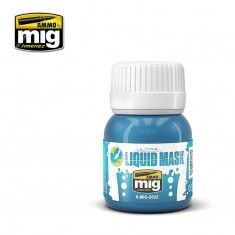
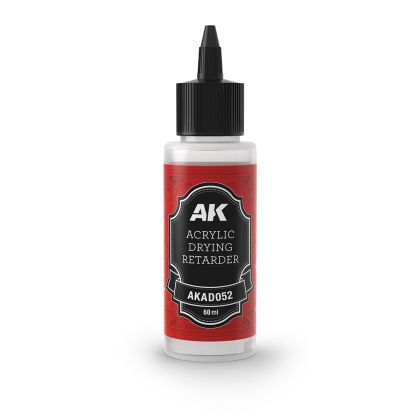
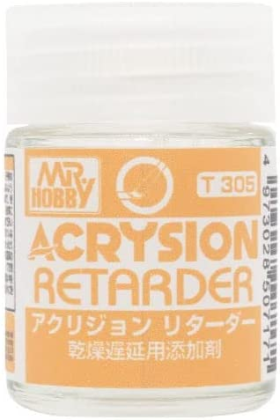
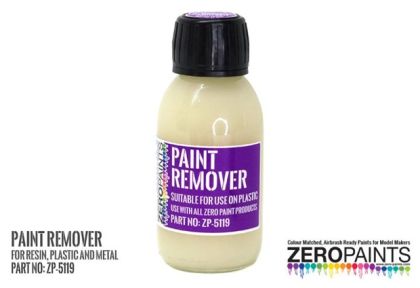
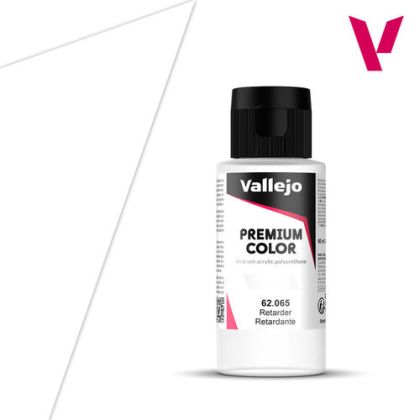
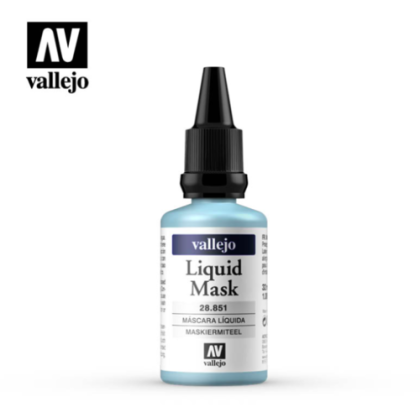
A retarder keeps acrylic workable for several times longer, which matters most when brushing large surfaces or blending by hand. Masking fluid seals the shapes tape cannot follow: canopies, wheels, soft-edged camouflage. Flat base knocks back gloss without shifting the shade. Paint removers do the opposite job — they take the model back to bare plastic when a coat goes wrong.
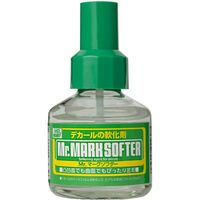
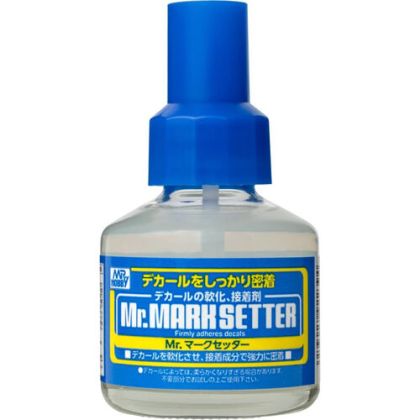
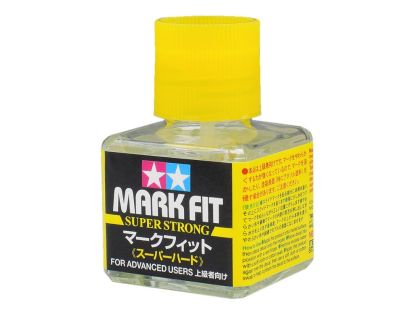
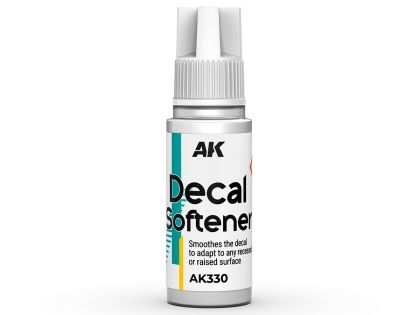
The setter-and-softener pair is probably the most used chemistry in the hobby. The setter improves adhesion to the clear coat; the softener relaxes the carrier film until it settles into engraved detail and stops reading as applied foil.
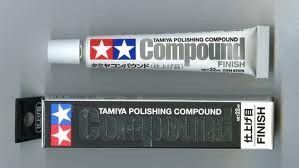
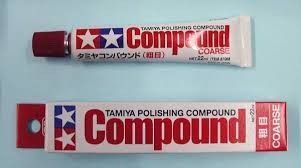
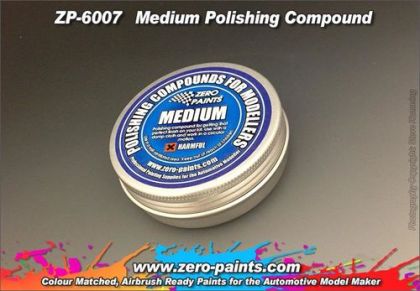
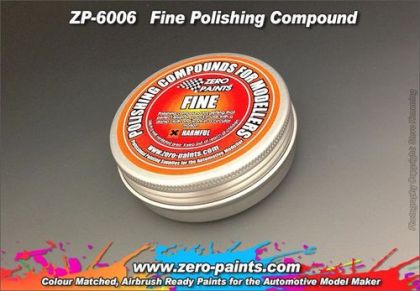
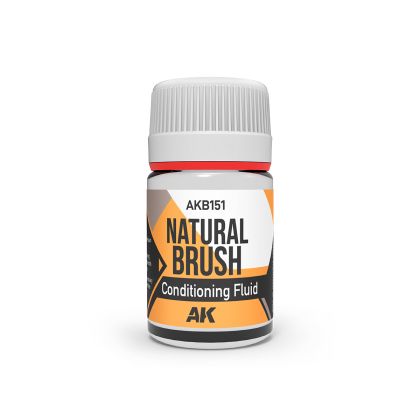
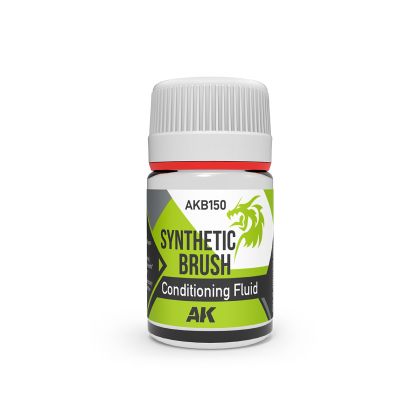
Polishing compounds level a gloss coat into a mirror on subjects that left the factory shiny. Blackening agents darken and dull bare brass so photo-etched parts and turned barrels stop looking like add-ons. The same stage also uses airbrush additives, light oils for moving assemblies and brush conditioners.
If you are still putting a bench together, walk through modelling supplies first and add chemistry as the techniques you actually use demand it.