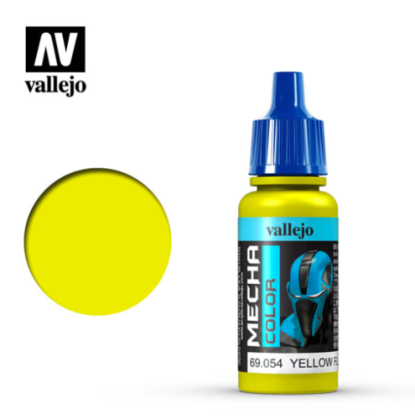
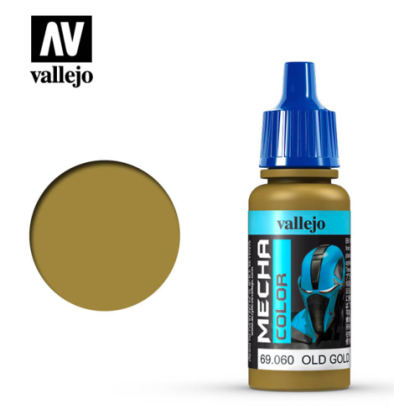
An earth gray shade, variant number one. A water-based acrylic paint, 10 ml.
Responsibility details are not available.
A gray-green tone with a brown undertone is among the basic colors of the European battlefield of the Second World War. The figure in brackets after the name distinguishes the first of the two variants that the manufacturer lists under the same name; the second is shifted elsewhere, and so it is worth choosing the one prescribed by the instructions of the particular kit or by the color table on the decal sheet.
The volume of the bottle is 10 ml, the binder is acrylic and it takes thinning with water and with the manufacturer's own thinner.
Spread in a single perfectly even coat, a large area looks dead. Lighten the center of the panels with a drop of a lighter tone, leave the area around the gaps darker and, once dry, go over the whole part with a wash, which will settle in the engraved lines and draw them out.
On figures the opposite approach proves its worth: thin it into a semi-transparent glaze and build it up in layers. Thick paint floods the folds of the cloth and the sculpting under it disappears, while thin glazes bring the modeling out.
Mix it honestly, ideally for several tens of seconds by shaking with the mixing ball in the bottle. Do not speed the drying up with hot air; sharp heat creates a skin on the surface with soft paint underneath, and a mark left by a touch then stays forever.
Try the shade out first on an offcut of sprue of the same plastic. You will see the real coverage and the final sheen before you lay the paint on an assembled model, where putting it right would mean sanding the whole area down.
Naši poradci a znalci sortimentu jsou připraveni odpovídat na Vaše dotazy (Po–Pá, 8–18 hod).
Zeptejte se na co potřebujete, odpovíme co nejdříve.
Texts from customers in the advice section reflect solely the opinions and views of the customers. MNF trade s.r.o. does not approve or verify customer texts in advance.
There are no questions here yet. Be the first to ask!