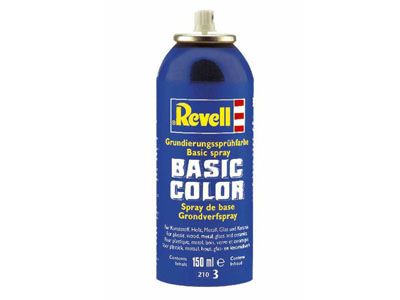
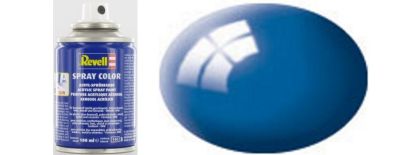
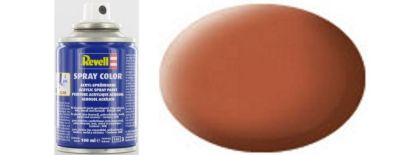
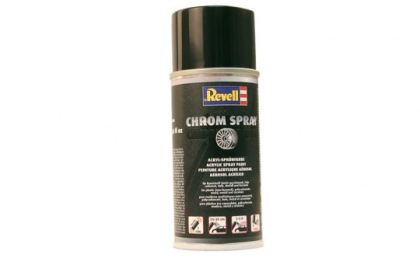
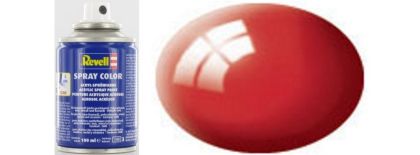
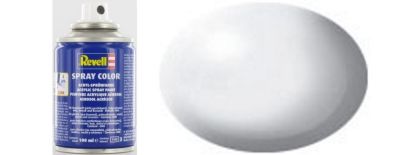
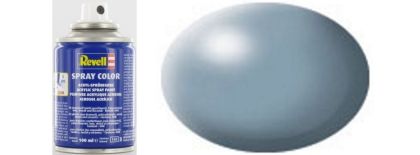
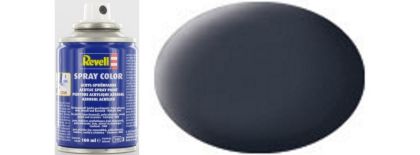
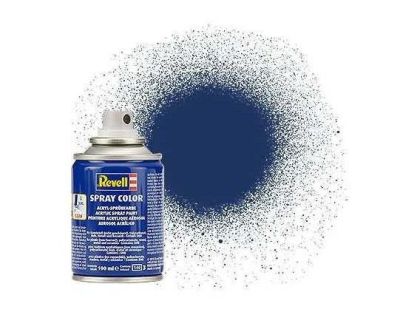
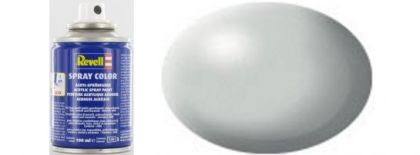
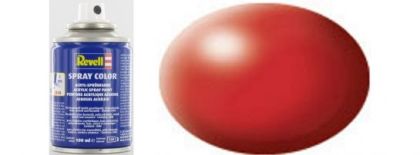
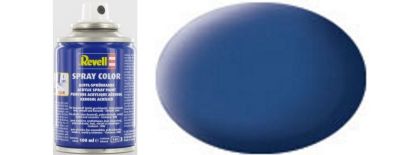
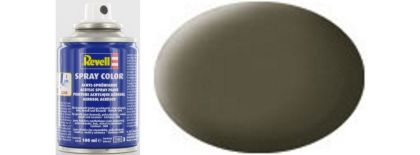
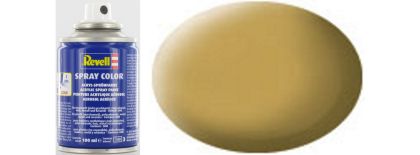
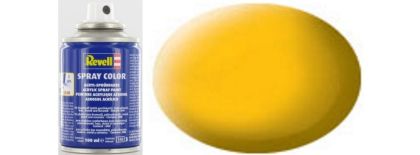
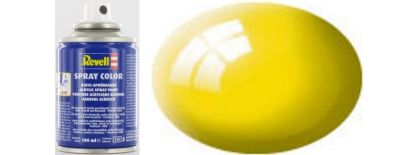
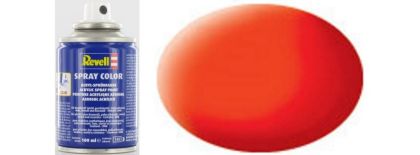
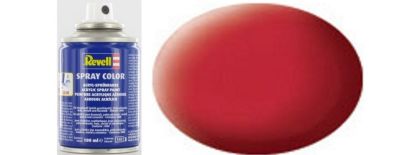
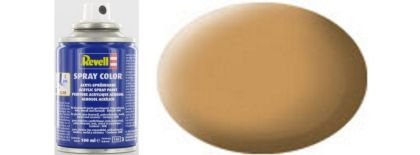
Revell aerosols follow the same shade numbering as the tinlets and the kit instructions, which is what makes them straightforward to buy: the number on the sheet is the number on the can. The range covers matt, silk satin and gloss tones and is rounded out by a primer for surface preparation and a chrome shade for bright metal trim. For a builder who wants a single-colour covering coat without buying a gun and a compressor, this is the short route to a finished surface.
Beyond the ordinary colours there are three genuinely useful items. A primer that evens out the ground and improves adhesion for everything above it. Silk satin tones, which sit between matt camouflage and gloss bodywork and are the most usable compromise on civilian subjects. And a chrome shade for bumpers, frames and bright trim.
Colour sits on an even grey or white ground in fewer coats and finishes more uniformly. Further options are in surfacers and primers.
Shake the can, bring it to room temperature and spray in a continuous pass that begins off the model. Protect the surrounding parts with materials from masking supplies. Three thin coats always beat one heavy one.
An aerosol settles the large areas, not the small ones. Pick up the detail with bottled paint in the same numbering, either Revell 14 ml enamels or water-thinned Revell acrylic paints.
A can also sprays best when it is not nearly empty. The last tenth carries more propellant than paint and spatters, so if a body needs an even coat it is worth starting with a can that still has some weight to it rather than finishing one off.
Other aerosol ranges, lacquers and smaller cans included, are in the parent category model spray paints, and a kit to try this on is among the plastic model kits.