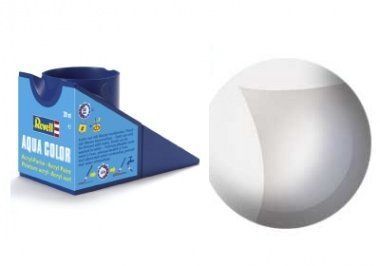
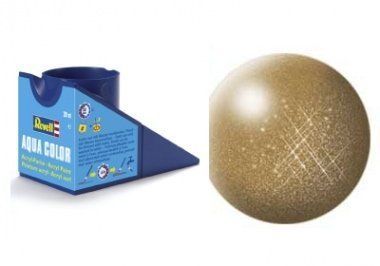
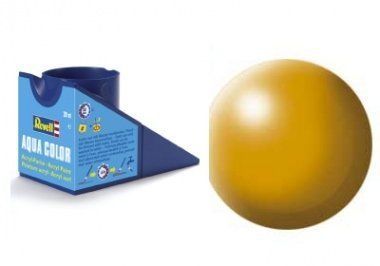
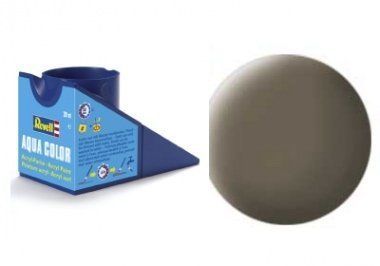
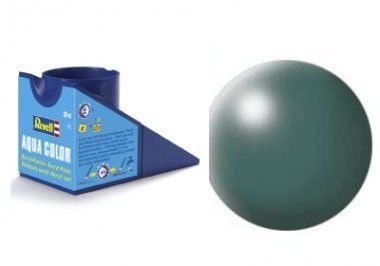
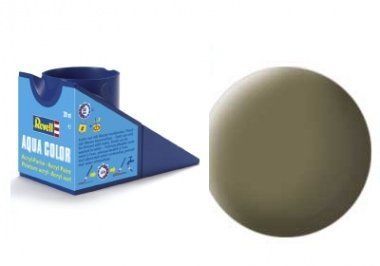
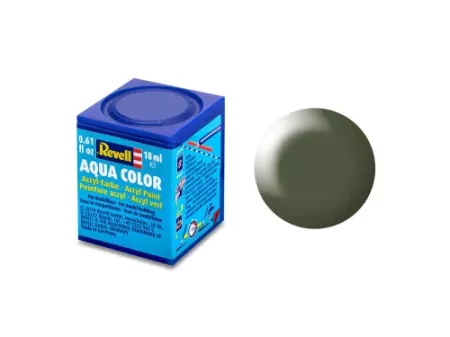
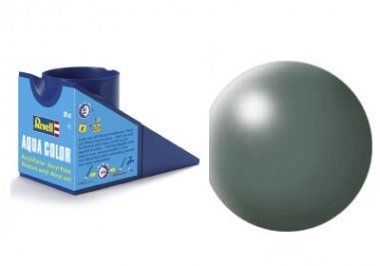
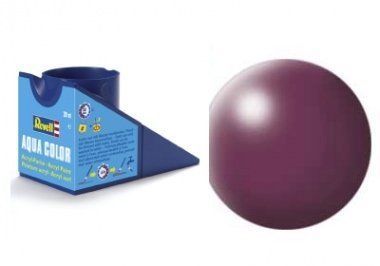
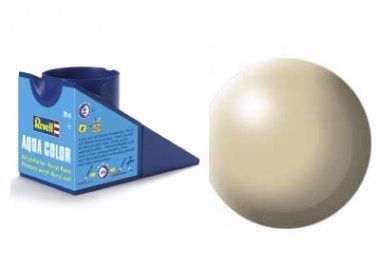
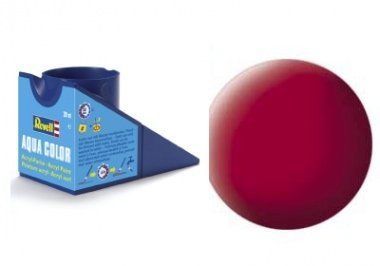
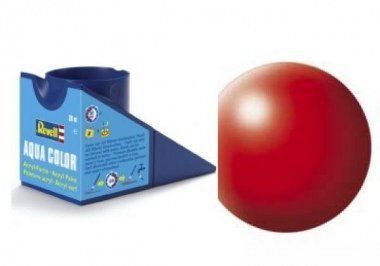
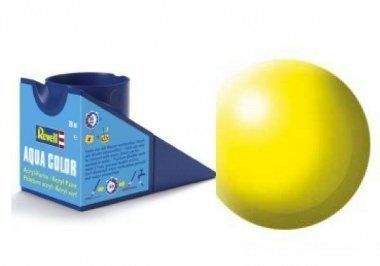
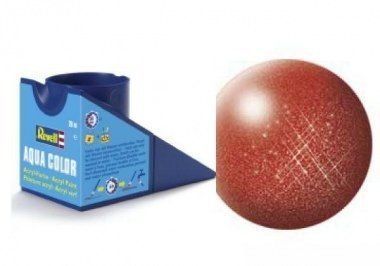
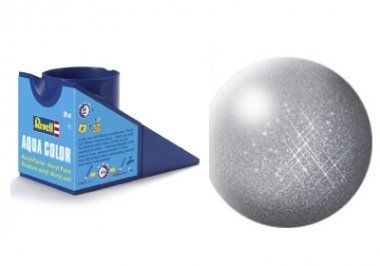
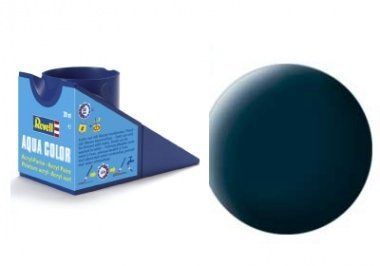
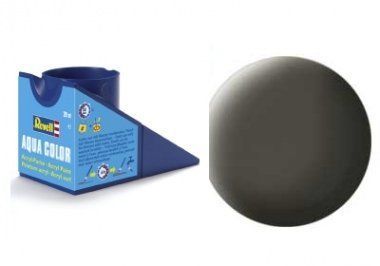
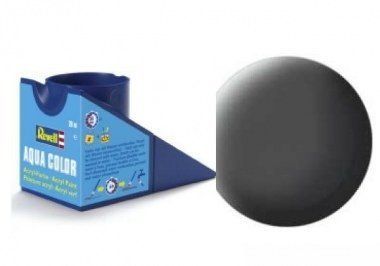
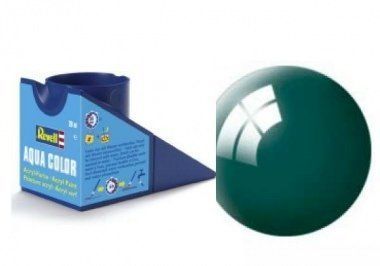
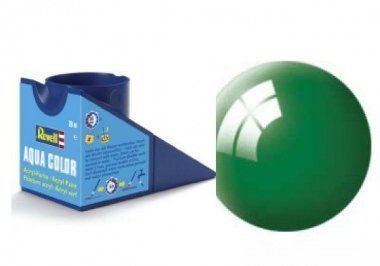
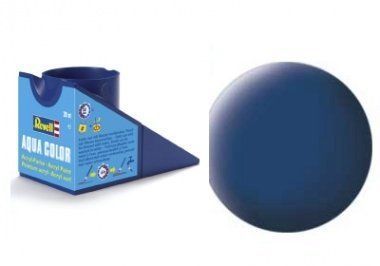
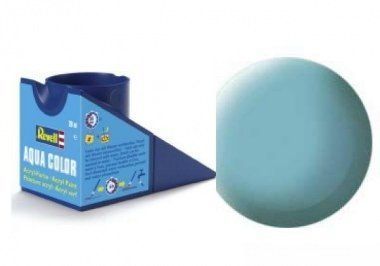
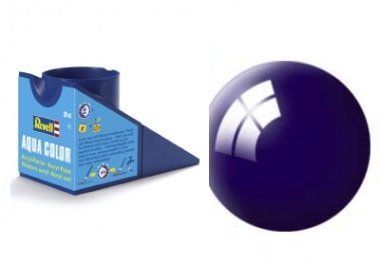
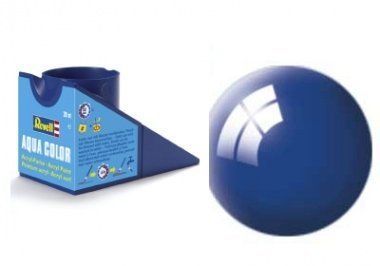
Numbered Revell shades are many modellers' first paint, because the kit instructions from the same brand point straight at them. The range covers matt, silk satin and gloss tones, metallic shades, and the basic black and white used to darken and lighten everything else.
The number on the pot is the number printed in the instructions, which removes the need for conversion tables and the guesswork about what to substitute. The range is also the usual starting point for a first build, which is why the notes below begin with stirring and thinning rather than with technique.
Kit instructions normally give colours as numbers rather than descriptions. When your paints come from the same system, the build moves much faster: there is nothing to decode and nothing to approximate. That is why this range is often recommended to newcomers and often appears in gift sets.
Pigment settles in the pot and the paint can seem not to cover at first. Stir thoroughly from the bottom and thin slightly if needed. For the brush, keep a denser consistency; for spraying, bring it down with the matching thinner.
Matt shades look more truthful at scale, silk suits machines that really were lacquered, and gloss belongs on cars and clear parts. The final sheen can be changed at any point with a coat from the clear coats range.
This range is most often applied by hand, so a good brush with springy hair decides the result. Thin coats and patience beat one heavy pass that drowns the detail. The choice is in the modelling brushes category.
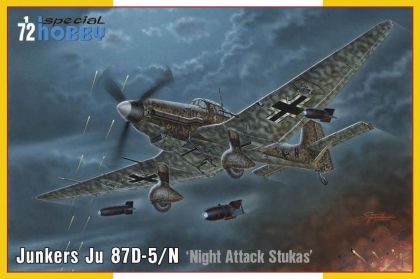
The kit these shades belong to is waiting in the plastic model kits section. For a comparison with other acrylic ranges, open acrylic model paints; for the longer-drying alternative, see enamels.