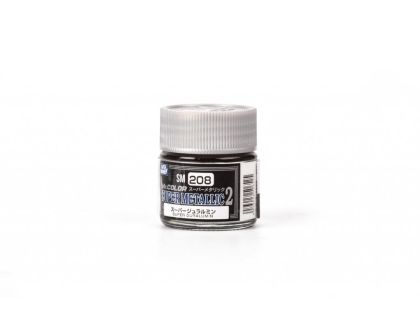
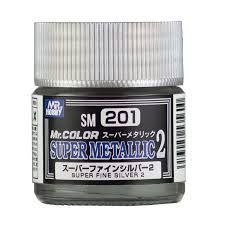
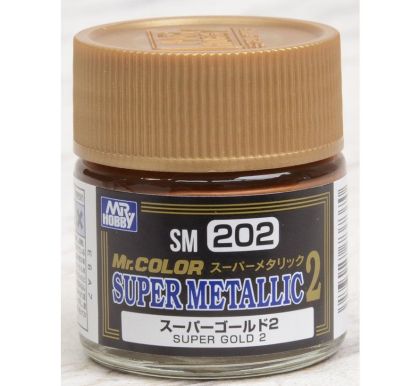
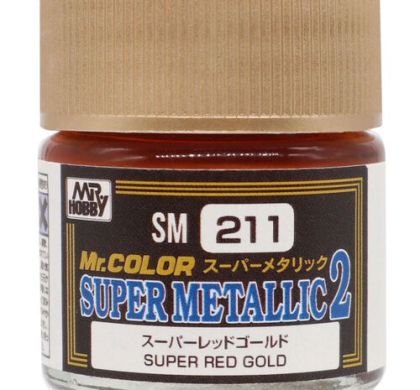
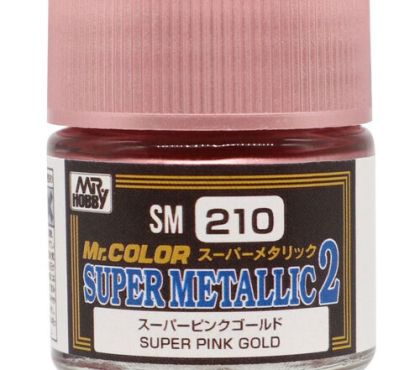
The special metal shades in this group aim at one task: a continuous metal surface that reads as sheet rather than as silver paint. The selection covers fine silver, a mirror variant, duralumin tones and golds with a high metal pigment load. These paints need no buffing, since the finish appears from the spray pass itself, provided the surface underneath has been prepared properly. That proviso, rather than the choice of shade, is where most bare metal attempts come undone.
The pigment is ground very fine, so a spray pass deposits a continuous film with no visible grain. That is also why the group is meant for a gun and not a brush: brushing would rake the particles into an uneven pattern and the sheet metal impression would go with it. The result depends heavily on the ground, because metal pigment conceals nothing whatsoever.
Smooth the area, degrease it and even it out with a coat from surfacers and primers. A gloss base moves the result towards a mirror, a grey or matt one towards service-worn sheet.
Work at low pressure, thin the paint well and build the finish over several passes. The matching thinner and a flushing agent are in thinners and cleaners; the gun and compressor themselves are in airbrush equipment.
No real airframe has one uniform tone. Lay the base shade over the whole area, then shift individual panels very slightly with a second metal tone. The difference need not be large, only large enough for the eye to register it.
Treat the finished metal as fragile until it is sealed. Fingerprints show on it, tape lifts it, and a wash dragged across it can polish streaks into the surface. Handle the part by its sprue stub or on a holder, and leave the decals and the patina until the metal has fully hardened.
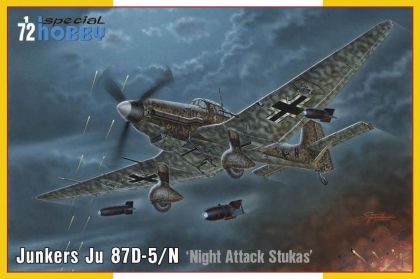
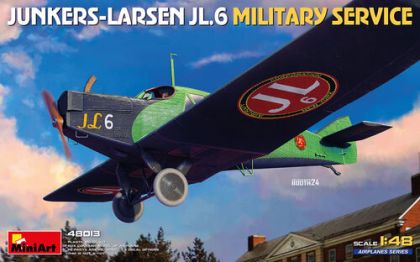
Acrylic and paste metal types are in metallic model paints, and the bare metal subjects this group was made for are among the aircraft model kits.