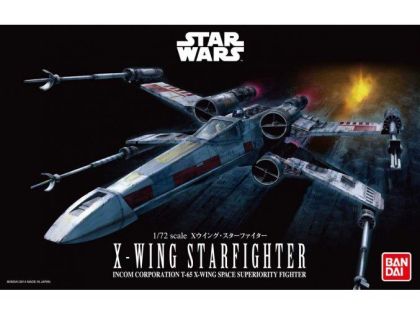
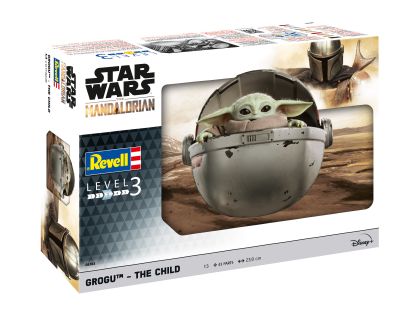
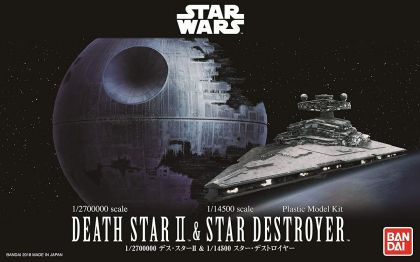
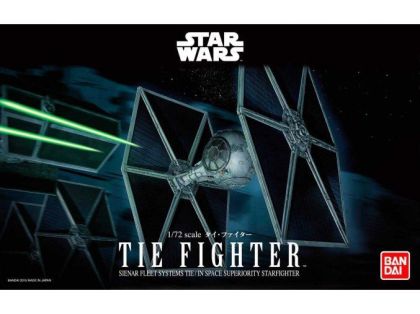
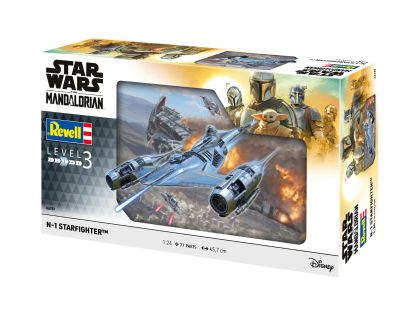
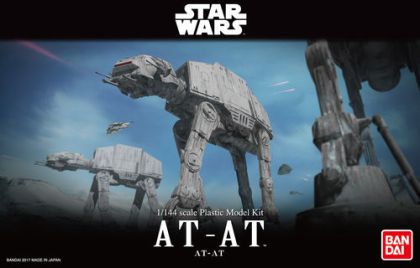
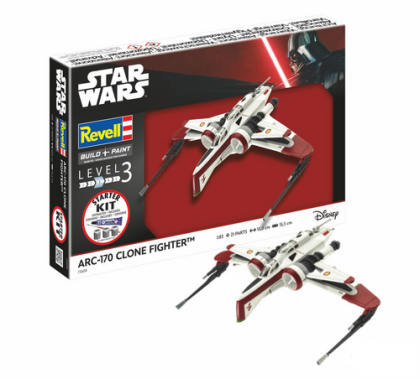
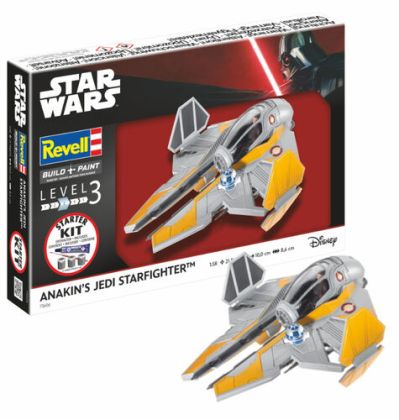
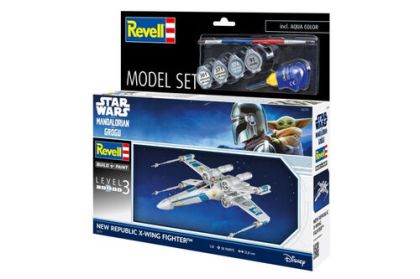
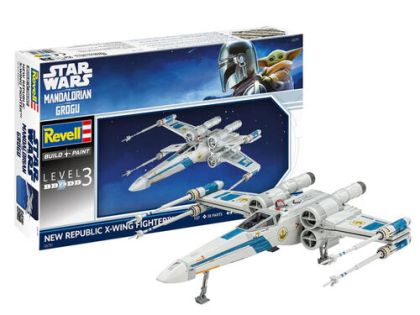
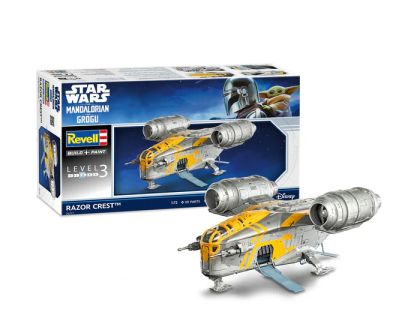
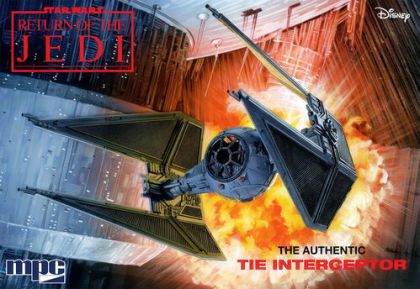
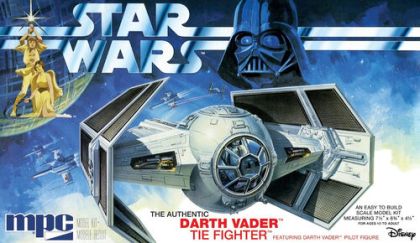
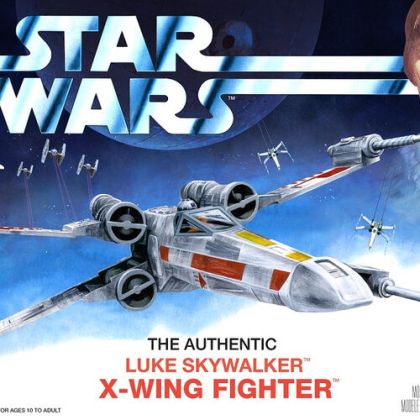
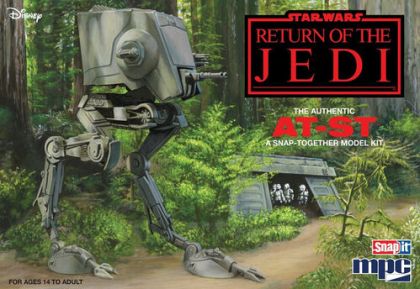
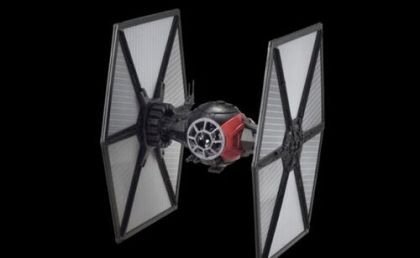
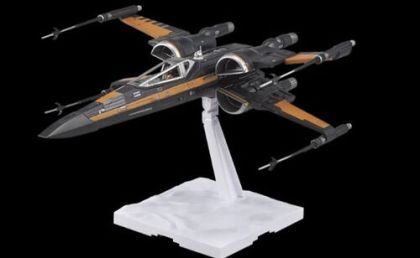
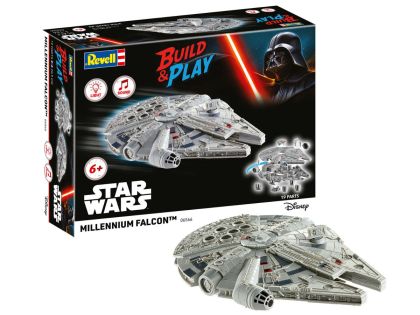
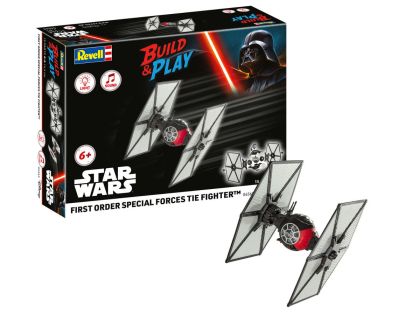
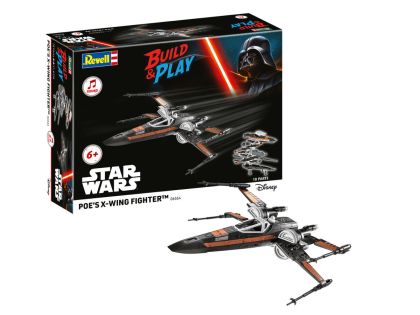
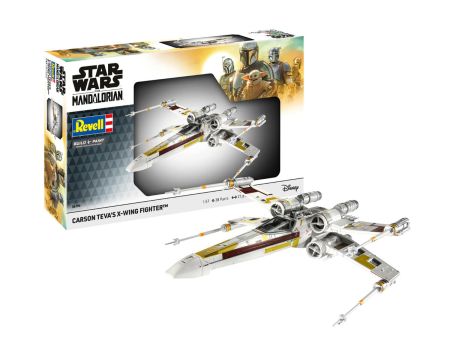
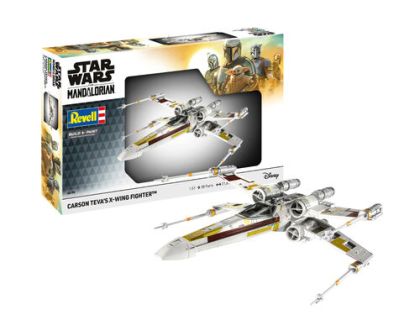
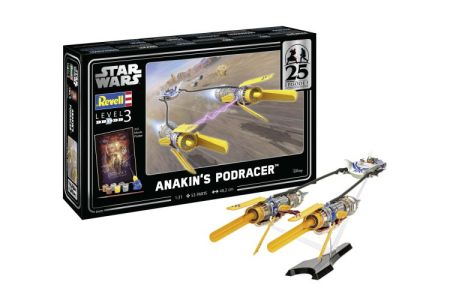
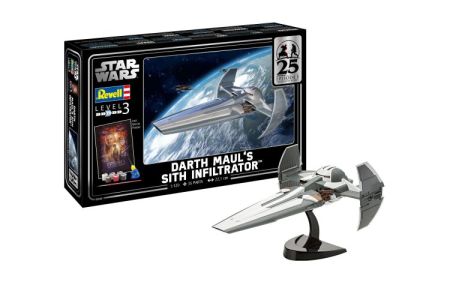
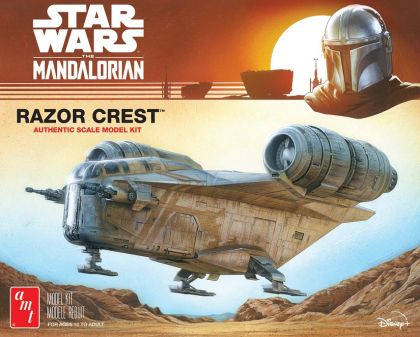
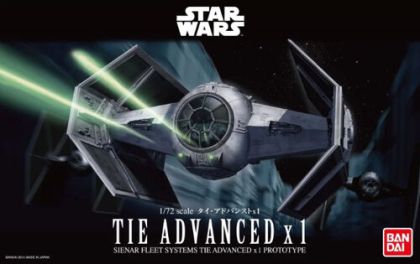
An X-Wing and a TIE fighter are among the few modelling subjects three generations recognise on sight, which is what makes them so rewarding to build and so easy to display. This category covers the galaxy far, far away and the Federation alongside it: machines from the original trilogy, the prequel era and the Mandalorian, including the Razor Crest, the AT-ST walker, the Sith Infiltrator and a Millennium Falcon with lights and sound.
Build styles run from clip-together sets a schoolchild can finish to kits that expect paint and weathering. The notes below explain how to choose between them and how to keep a collection coherent.
Licensed kits are tooled from the film production data, so the proportions of an X-Wing or a TIE Advanced hold up panel by panel. Scales follow the on-screen subject rather than a fixed modelling standard, which is why you will see figures like 1:57 or 1:63 next to the familiar 1:72 and 1:48 — a snap set may sit in the palm while a hero ship runs past 300 mm (about 12 in).
Play-and-build kits hold together without glue and add sound or lighting. Starter and model sets put paint and glue in the box for a first conventional build. Standalone kits leave the finish entirely to you, and that is where a weathered, sun-bleached freighter really shows what you can do.
A shelf reads best when it follows a line: Imperial fighters, Resistance machines, or every vessel seen in one series. Star Trek subjects work the same way, with Federation ships standing in for starfighters, so decide on the line before the second purchase rather than after the fifth.
Pre-coloured snap-fit models look respectable straight from the box. A coat of matt varnish and a light wash in the panel lines costs one evening and lifts them into a different league, because flat plastic sheen is the one thing that gives a model away.
Alien machines outside the big licences live in mecha and anime sci-fi kits, and the full genre overview, real spaceflight included, is in sci-fi and fantasy models.