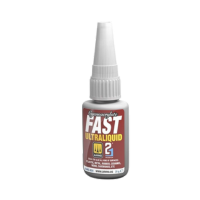
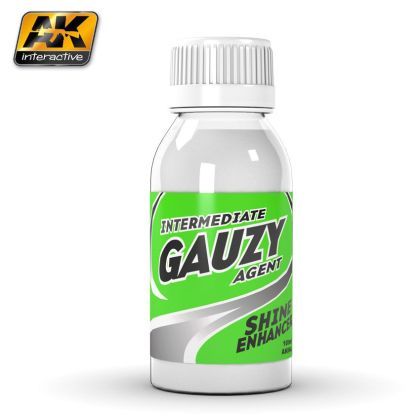
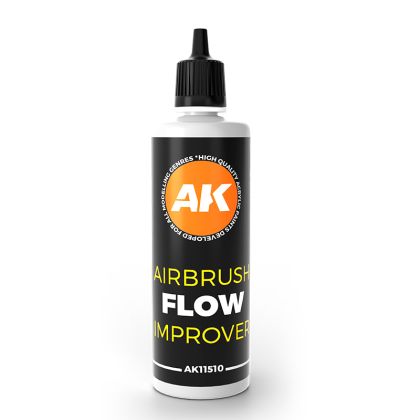
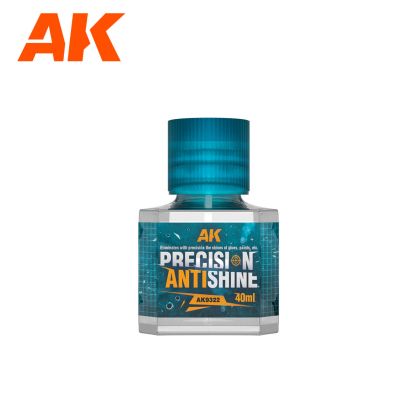
This group collects the chemistry that never earned a section of its own yet keeps turning up on the bench: mediums for adjusting how paint behaves, flow improvers for airbrush work, additives that cure fisheyes caused by silicone, conditioners that keep brush tips alive, oxidising agents for genuine rust, terrain fixers, and light oils and greases for moving assemblies. One thing unites them — each answers a single practical problem rather than a whole technique.
These are products nobody plans for in advance. They come to mind at the moment a specific problem appears, which is exactly why it pays to know they exist before you need them.
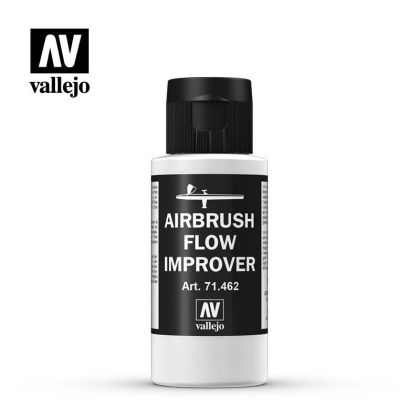
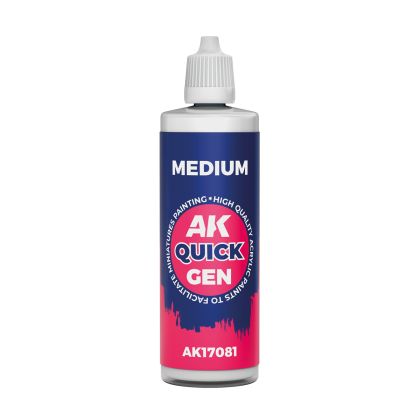
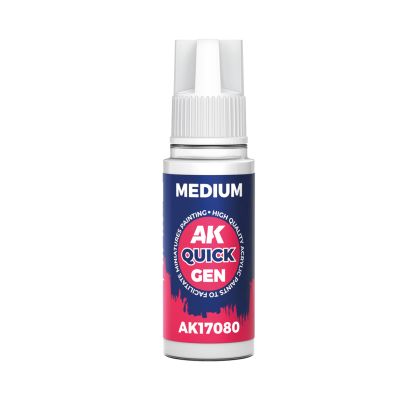
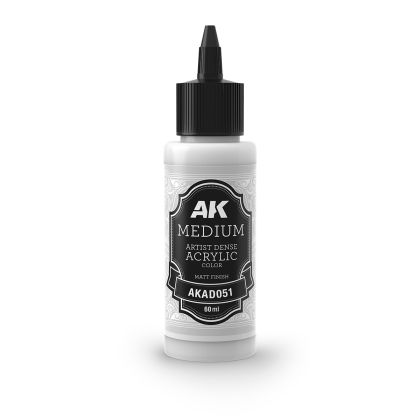
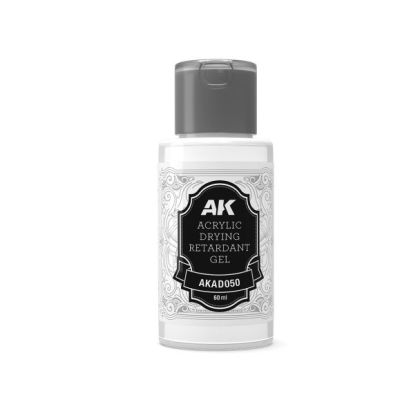
A medium changes how paint behaves without simply diluting it: adjusting body, improving flow under a brush, or extending the wet phase of heavy acrylics. Flow improvers go into an airbrush cup, where they lower surface tension so the paint leaves the nozzle evenly and dries more slowly on the needle.
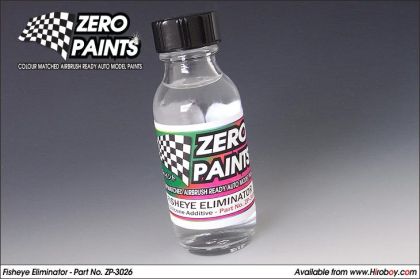
Craters and rings in a coat — fisheyes — appear when silicone reaches the surface, from mould release on the parts or from a polish used elsewhere in the room. Anti-silicone additives even out surface tension so the paint flows into a continuous film instead of pulling away.
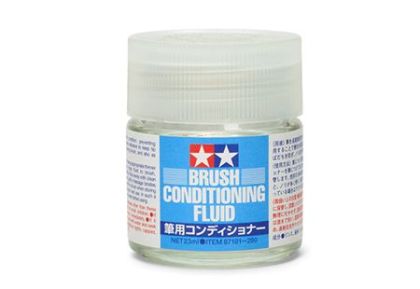
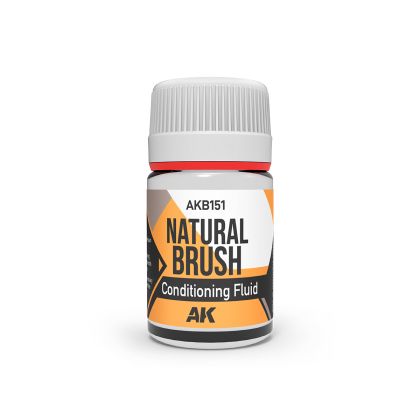
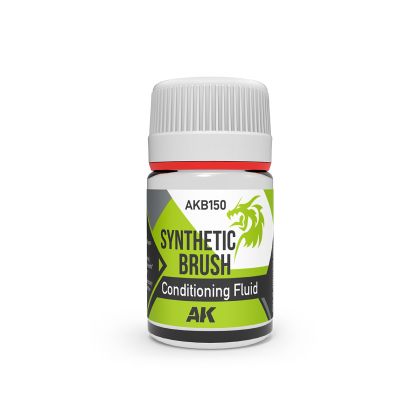
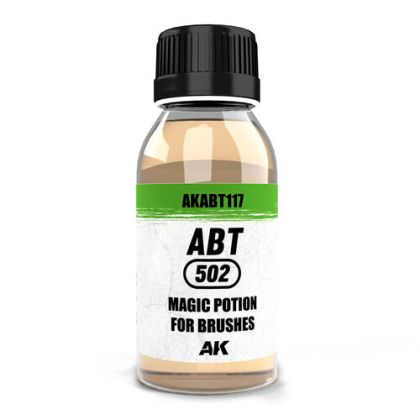
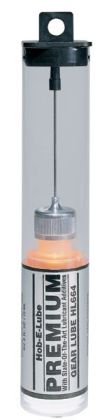
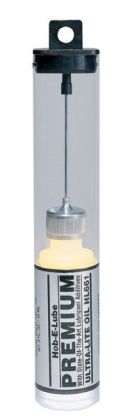
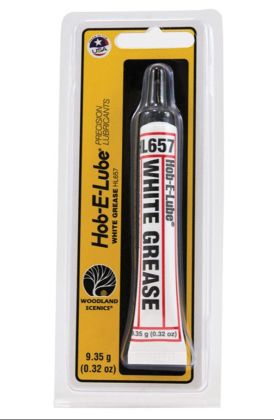
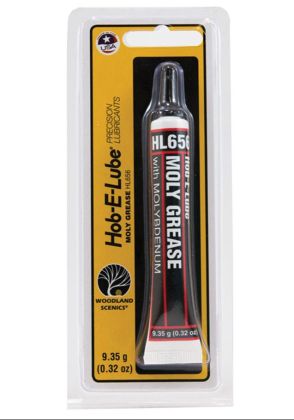
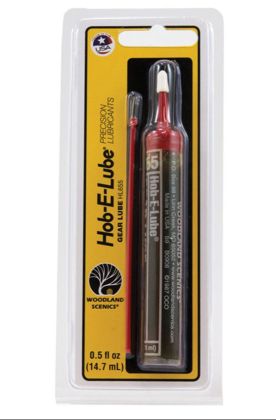
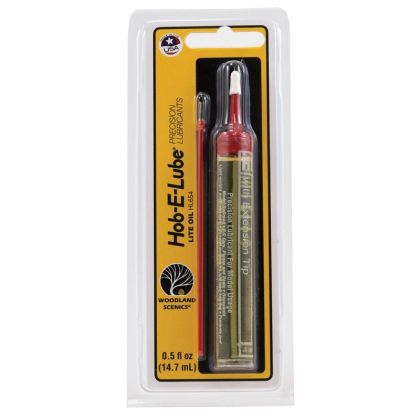
Brush conditioners restore the hair, re-form the point and stop it splaying; on good brushes they cost far less than replacement. Oils and greases belong to models with moving parts, to gear trains and to anything that should turn without resistance.
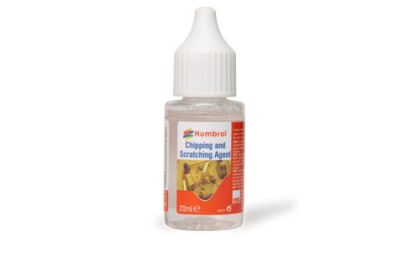
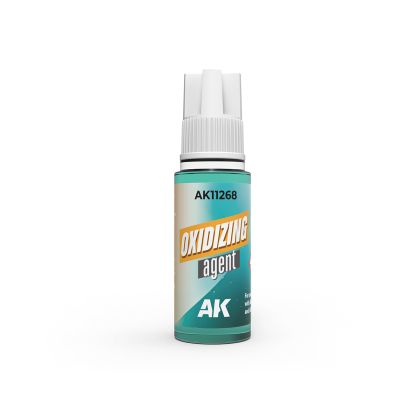
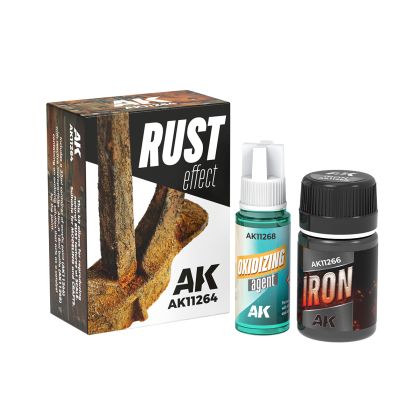
Oxidising agents create real corrosion on a metal surface rather than a painted imitation, which suits fittings where the rust should be genuine. Terrain fixers bind scatter material and static grass on a diorama so it stops shedding. Chipping agents sit here too: sprayed between coats, they let the upper colour be lifted away for worn paint effects.
The main groups are listed under modelling chemicals. If you have a concrete nuisance in front of you — paint drying in the nozzle, a splayed brush tip, terrain that keeps shedding — there is a fair chance the finished answer is already in this section.