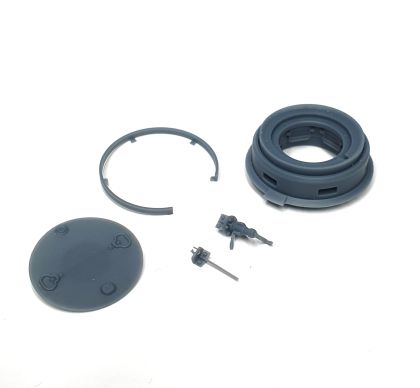
A model of a heavy British aerial bomb of the type that came to be known as the Blockbuster, in the Mk II version and in 1:48 scale.
Responsibility details are not available.
During the Second World War the name Blockbuster came to be used for British thin-cased aerial bombs in which the explosive made up most of the weight. They were of no use against armored and dug-in targets; their job was to tear the roofs and walls off built-up areas with the blast wave. In shape they are simple cylindrical bodies with a minimum of external features, because a thin case had no reason to carry anything extra.
A model of the bomb in 1:48 scale completes a kit in which the bomb is missing or is only roughly rendered. It comes into its own in an open bomb bay, among the equipment beside the aircraft and in a diorama scene with an ammunition trolley, where the part is seen close up and where a clean shape pays off most. The version is designated as Mk II, that is a later production form of the type.
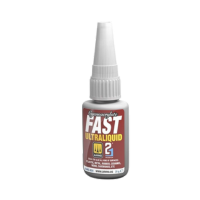
The parts are not made of polystyrene and ordinary cement for plastic has no effect on them; use cyanoacrylate glue. Cut the excess material off with a sharp blade a little away from the part and sand the rest down with fine paper. A smooth cylindrical body is merciless: every scratch and every unsanded flat spot shows after spraying, so prepare the surface carefully and lay the paint on in thin coats. Wash and degrease the part before painting. The instructions from the manufacturer give the exact preparation procedure.
For builders of British bombers and for makers of scenes who are short of ordnance on the apron. The kit, the paints and the glue are not included in the package, unless stated otherwise.
Naši poradci a znalci sortimentu jsou připraveni odpovídat na Vaše dotazy (Po–Pá, 8–18 hod).
Zeptejte se na co potřebujete, odpovíme co nejdříve.
Texts from customers in the advice section reflect solely the opinions and views of the customers. MNF trade s.r.o. does not approve or verify customer texts in advance.
There are no questions here yet. Be the first to ask!