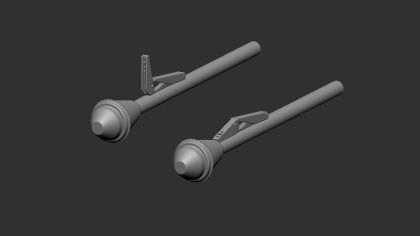
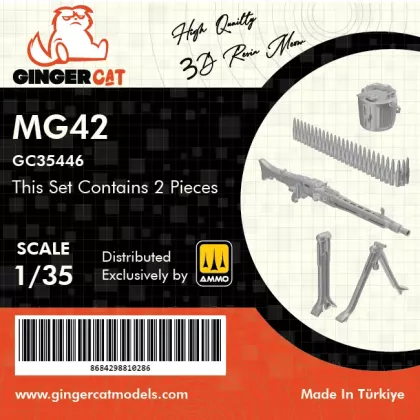
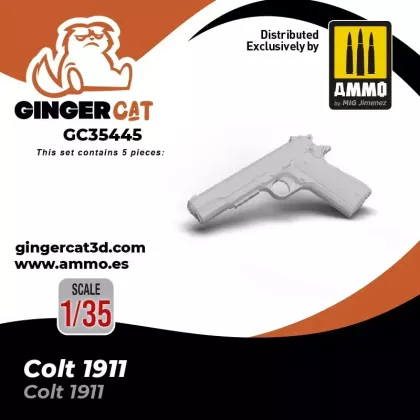
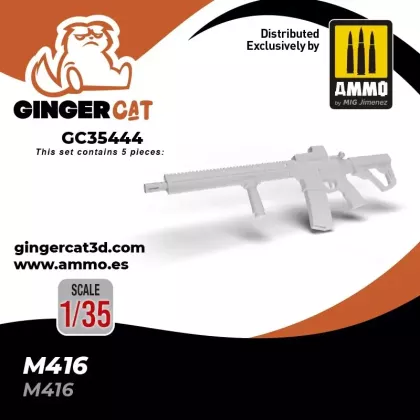
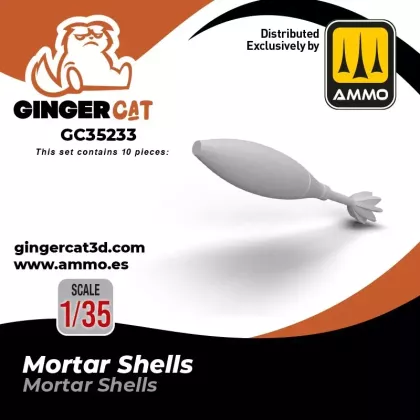
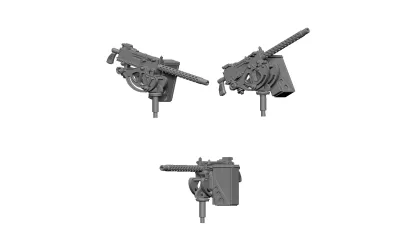
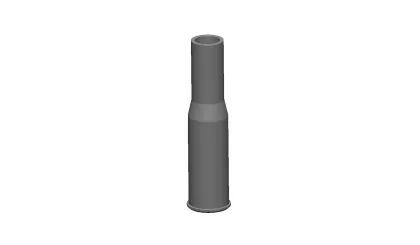
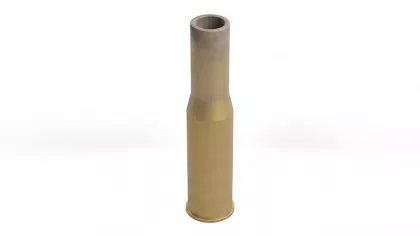
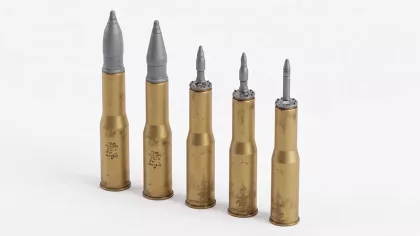
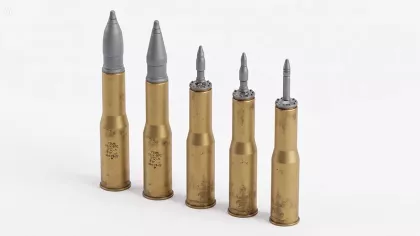
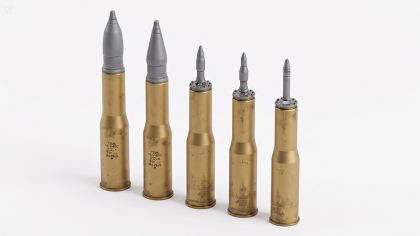
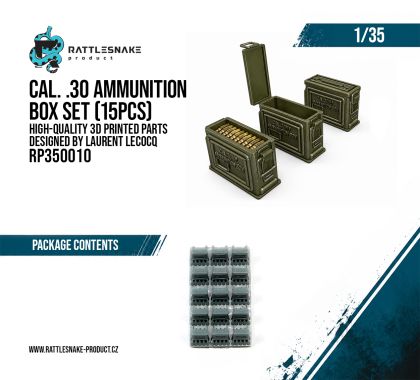
Weapons and ammunition sets for military vehicle models add the thing the machine was built around. A pintle-mounted machine gun, belts of rounds, spent cases scattered across the deck after a fire mission, modern anti-tank missiles propped against a trench wall: all of it in sizes from 1:72 to 1:16. Resin and 3D printed castings carry detail that kit styrene cannot reach. Below: how to match calibre, period and scale so the armament genuinely belongs to your vehicle.
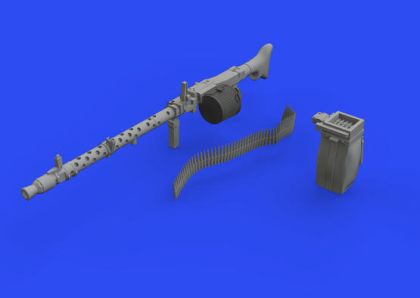
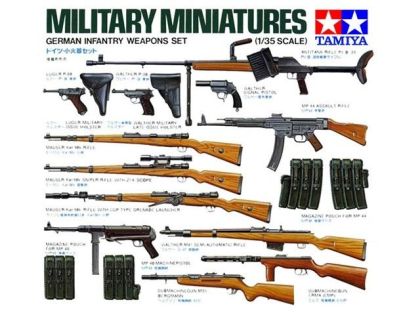
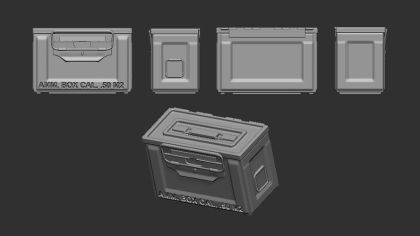
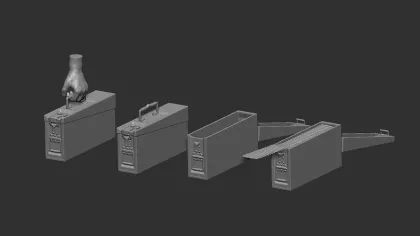
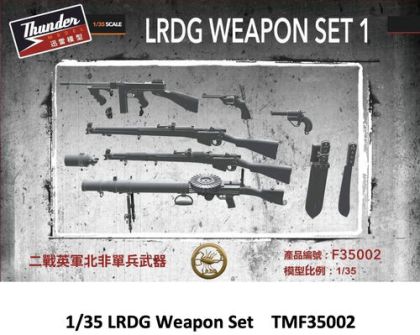
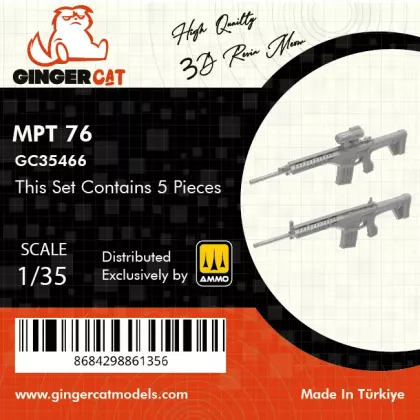
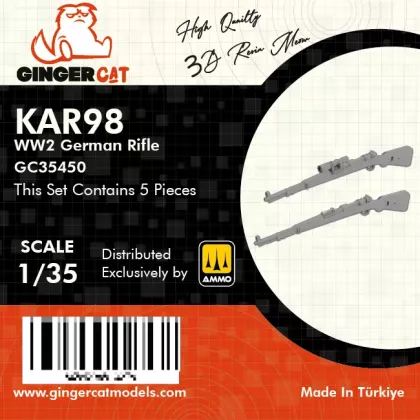
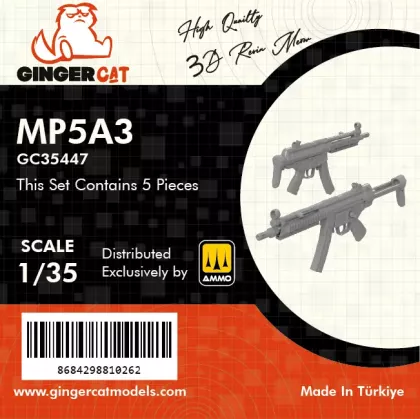
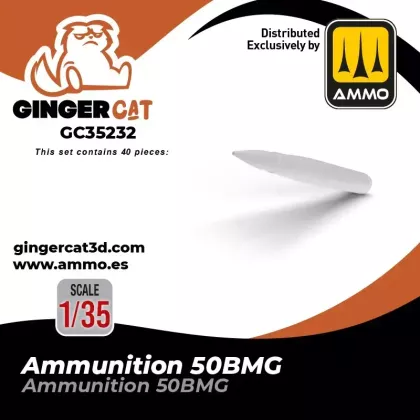
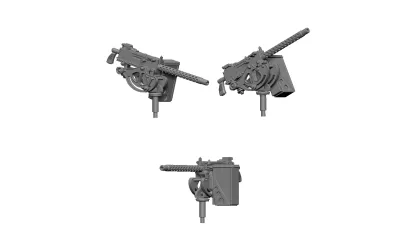
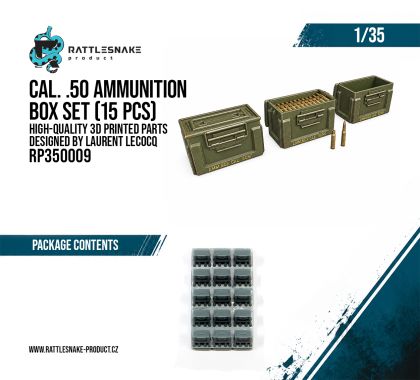
A tank kit often disposes of the machine gun in one simplified moulding and ignores ammunition entirely. This listing corrects that. It holds separate machine guns with mountings, replacement barrel weapons, artillery rounds with their transport chests, sets of fired cases, personal weapons for crews, and modern items such as portable anti-tank launchers. Swapping a bland weapon for a crisp casting is the quickest upgrade any model can be given.
A weapon has to match the machine: a gun sized for 1:35 military model kits would pass for artillery on a 1:72 model. Between the two sits 1:48 military model kits, popular with modellers who keep tanks and aeroplanes on one shelf, and 1:72 military model kits at the small end. Every set states its size in the title.
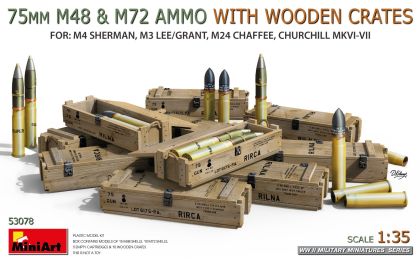
Many sets are tailored to a specific machine: 115 mm rounds belong to a T-62, 75 mm ammunition chests to a Sherman. Where a title names a vehicle type, treat it as guidance rather than a limit — the same ammunition lay around trenches and supply vehicles too.
Water-cooled machine guns and wooden chests belong in Second World War scenes, while guided missile launchers and assault rifles suit modern dioramas. Do not mix eras on one scene unless you have a photograph to justify it.
Small arms are fragile, so part them from their carriers with a fresh scalpel and glue them on after painting. Then place the finished armament with some restraint among the rest of your military vehicle accessories: a few cases by the breech tell more than a loaded deck.