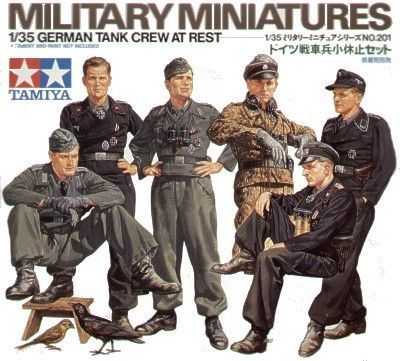
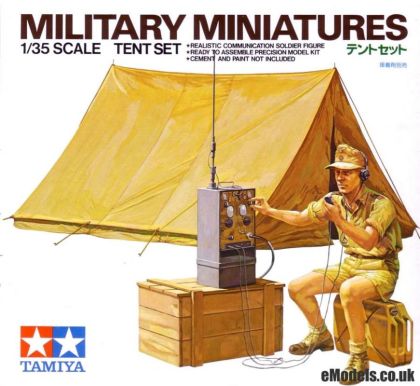
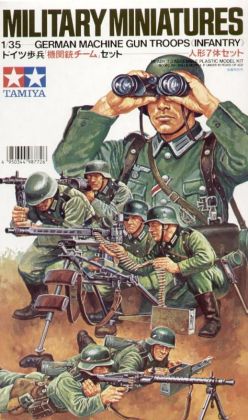
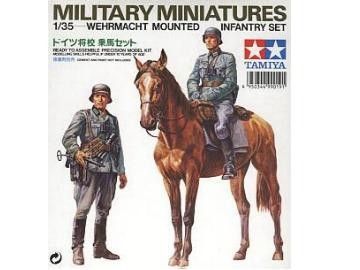
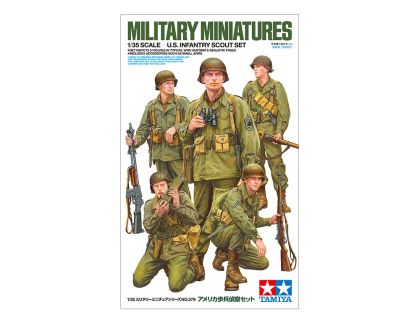
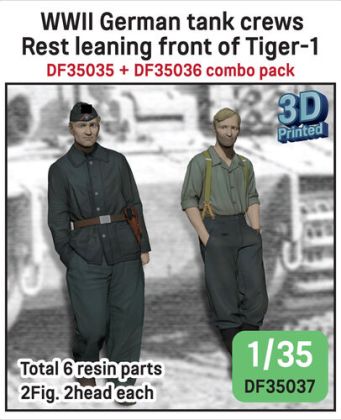
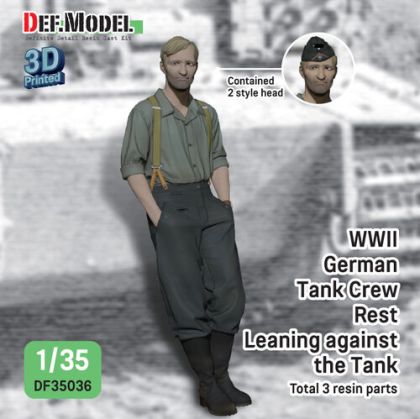
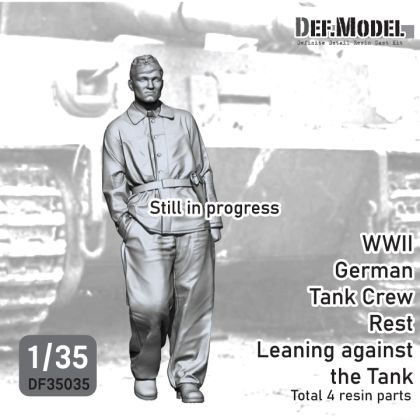
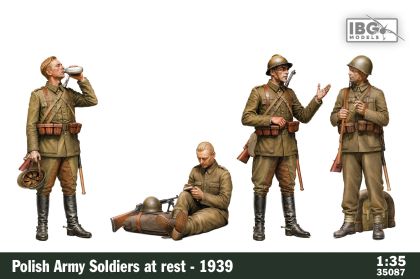
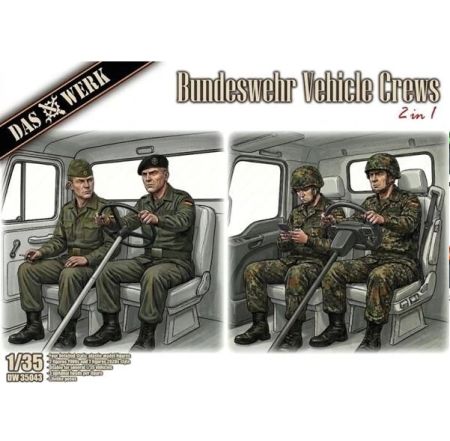
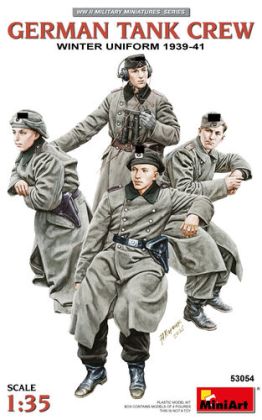
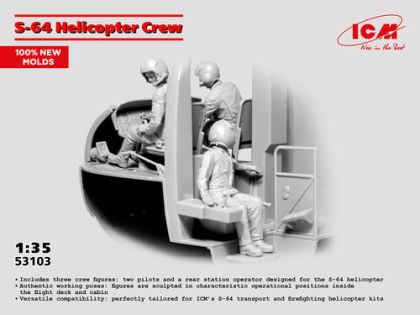
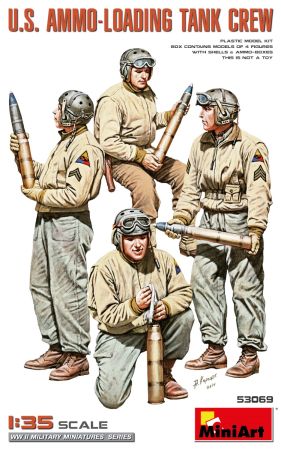
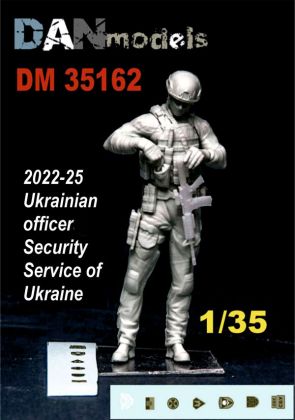
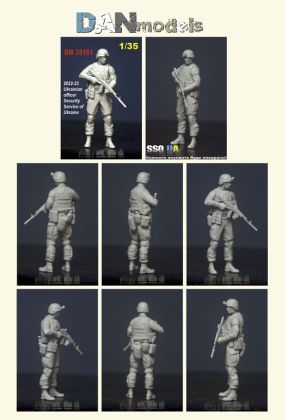
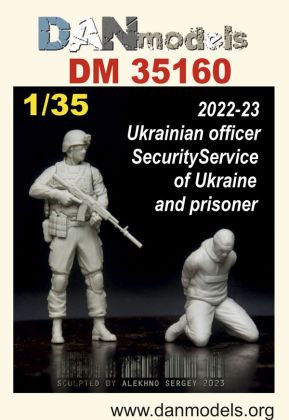
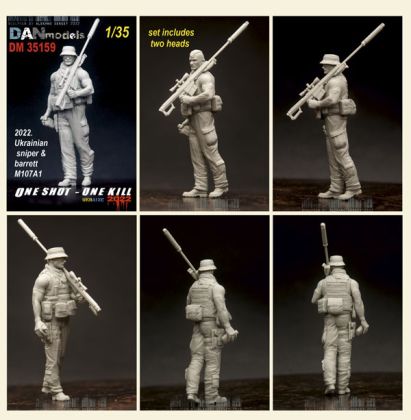
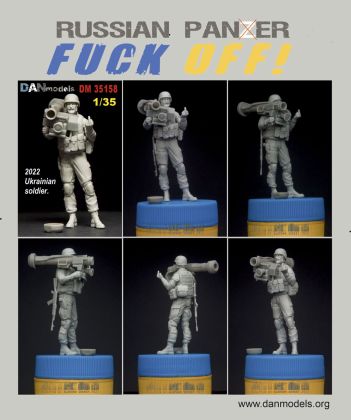
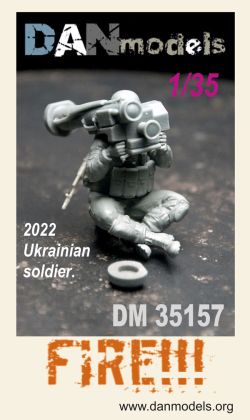
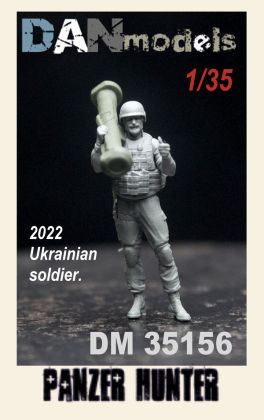
If there is a default scale for military modelling, it is this one, and the figures prove it. A 1:35 body stands around fifty millimetres tall, enough for faces, uniform folds and webbing to read clearly, and it matches tanks and vehicles of the same scale exactly.
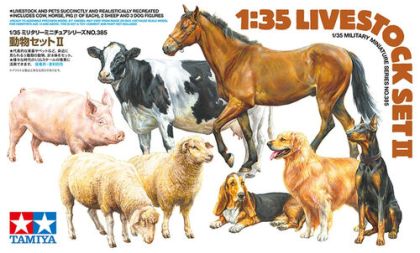
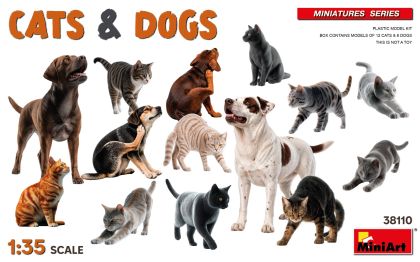
The choice runs from armour crews resting against a hull and infantry of both world wars to vehicle crews of present-day armies, helicopter aircrew, civilians for street scenes and even sets of cats and dogs. Plastic boxes with several bodies sit beside finely printed figures where fingers, straps and creases are rendered individually. The guide below covers matching figures to machines and composing a group that actually looks like a scene.
Because 1:35 is the most widely produced size of military vehicle, it also has the deepest catalogue of people. A crew leaning from open hatches, infantrymen resting against a wall or a loader passing ammunition turn a machine from a cabinet exhibit into a scene with a plot. Both halves of the listing are worth knowing: multi-figure plastic sets for value and printed or resin figures for sharpness.
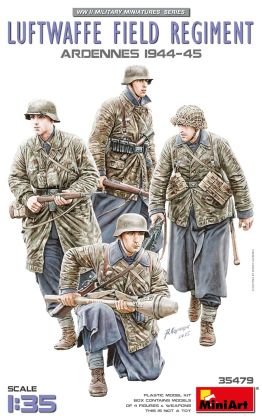
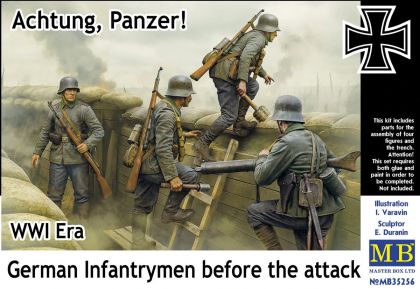
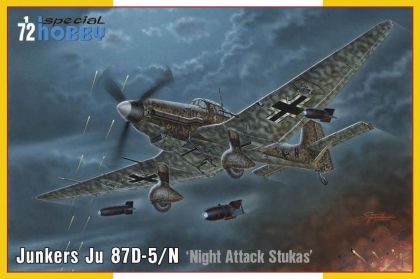
The widest coverage is the Second World War, from armour crews to infantry in winter dress, with modern conflicts strongly represented and civilians, animals and helicopter aircrew filling the gaps. Match the figures to the machine and to the year: a 1944 tank destroyer calls for different webbing than a current wheeled carrier. Vehicles come from 1:35 military vehicle kits and rotary subjects from 1:35 helicopter model kits.
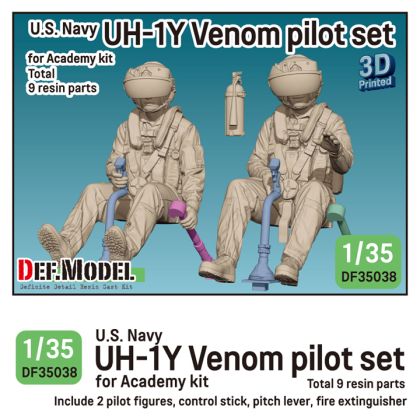
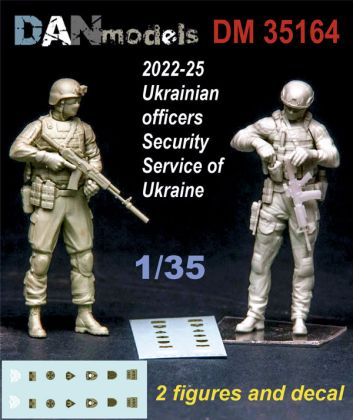
Plastic sets usually hold between two and six bodies and are the right place to make your first attempts. Printed and resin figures offer sharper detail, optional heads and poses tailored to one specific vehicle; plan for cyanoacrylate glue with those. Extra helmets, pouches and webbing come from resin figures and equipment, and insignia from model figure decals.
A small cabinet needs one or two bodies beside the machine. A larger scene can carry a group, provided the figures acknowledge one another instead of each looking somewhere else. Composition is what separates a diorama from a row of figures on a base.
Other scales and subjects are listed in the overview at model figures.