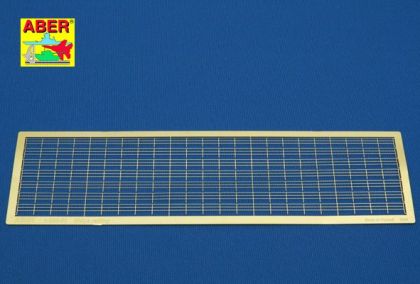
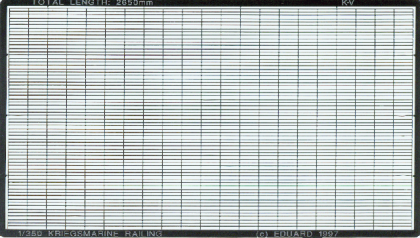
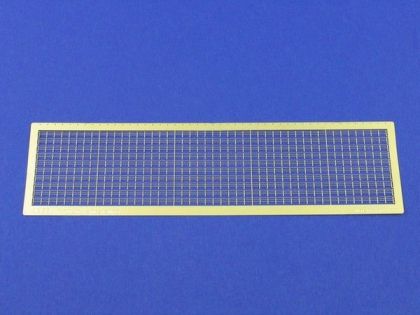
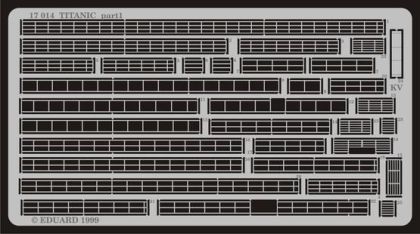
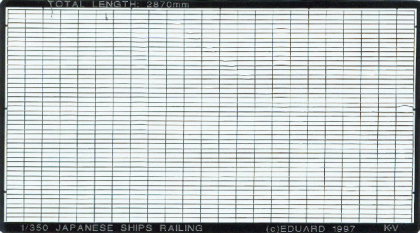
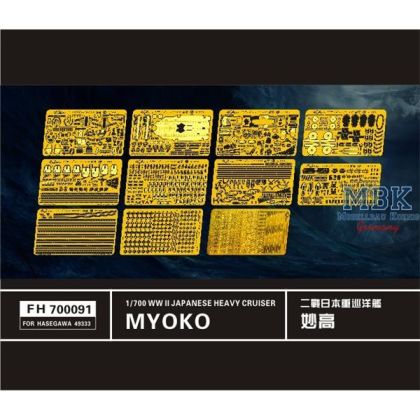
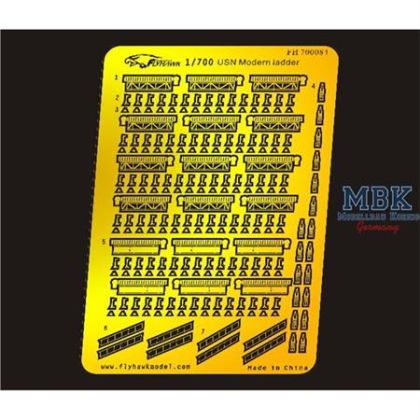
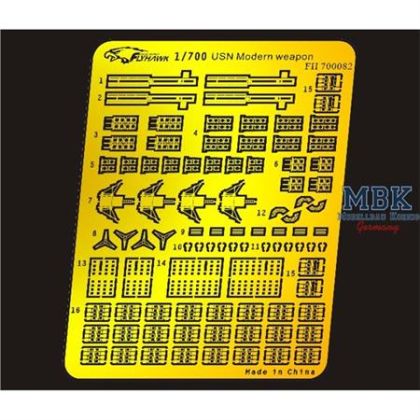
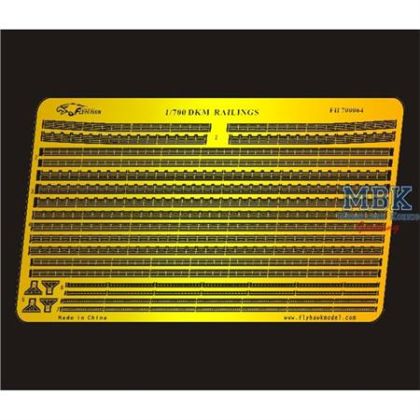
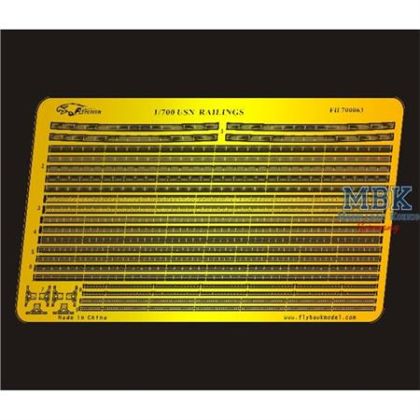
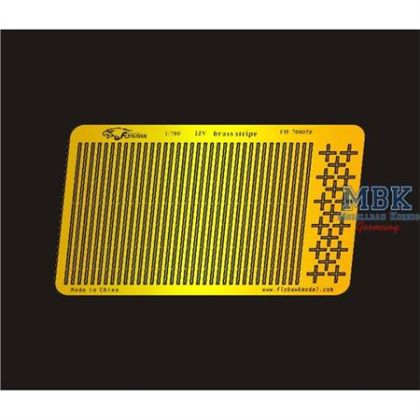
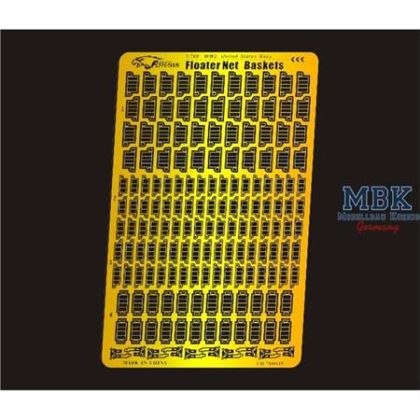
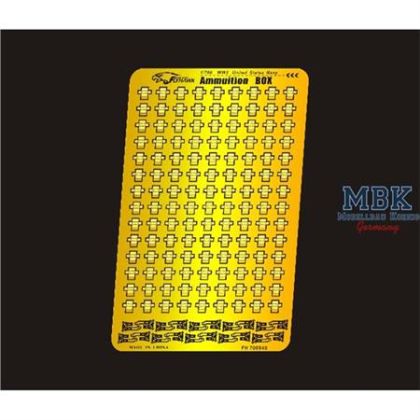
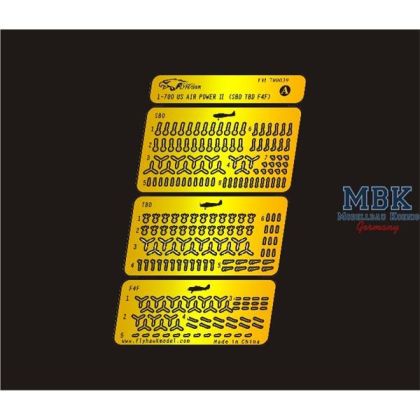
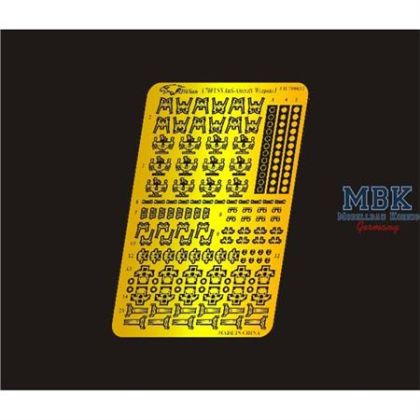
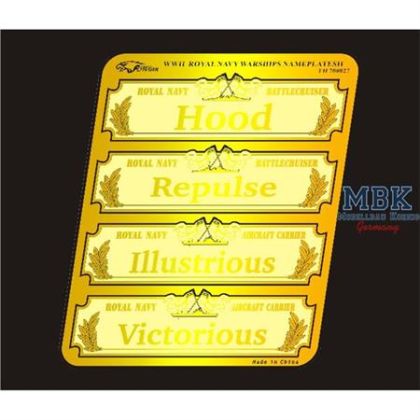
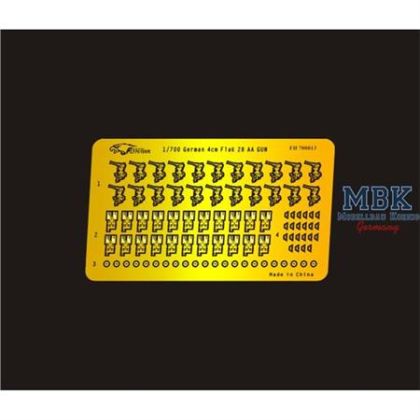
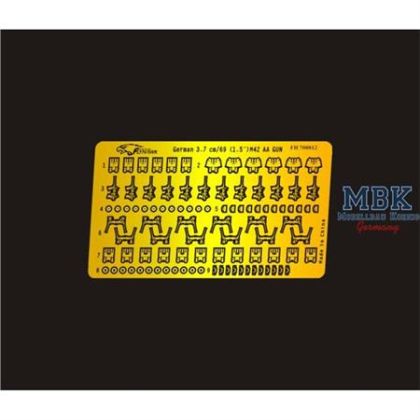
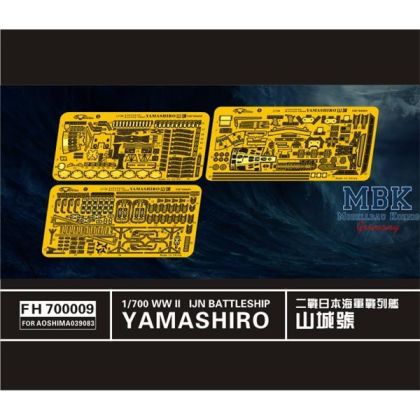
Photo-etched parts supply what injection moulding cannot: railings running the full length of a hull, ladders, radar screens, floater net baskets, catapults and cranes. An etched fret is thin brass or steel with the detail produced photochemically; painted on the model it disappears into the structure and the ship suddenly looks inhabited. The range is sorted by scale from 1:72 to 1:700, and below you will find how to pick a first set and what to glue brass with.
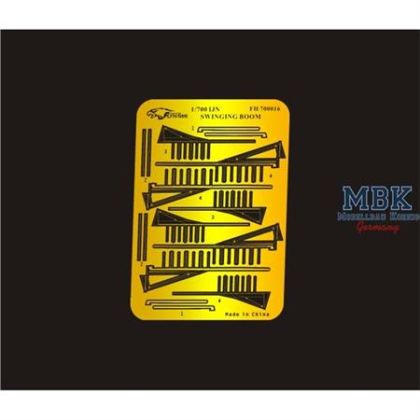
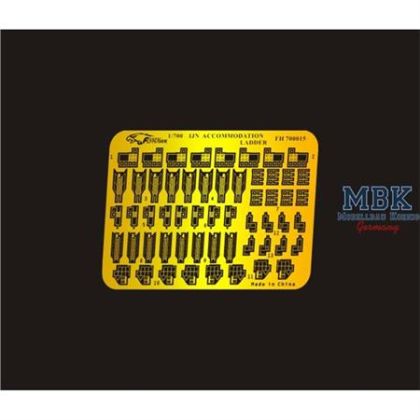
Photo-etching produces shapes in sheet a few tenths of a millimetre thick that no steel mould could ever release. On ships that makes etch close to compulsory: real railing stanchions at 1:350 are finer than a human hair, and only metal keeps them straight and unbroken. The same applies to radar screens, gangways, floater nets and folding accommodation ladders.
The deepest stock covers the two main ship scales, 1:350 etch and 1:700 etch. Large battleships are served by 1:200 sets, older kits by the 1:400 range, torpedo and patrol boats by 1:72 etch, and smaller craft by 1:144. Railings for 1:600 and multi-scale selections sit in other etched parts.
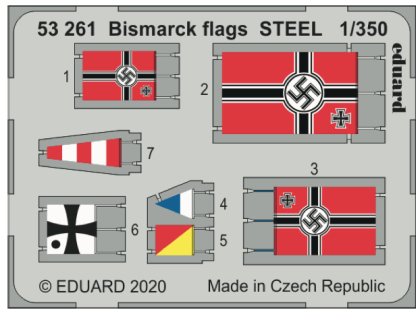
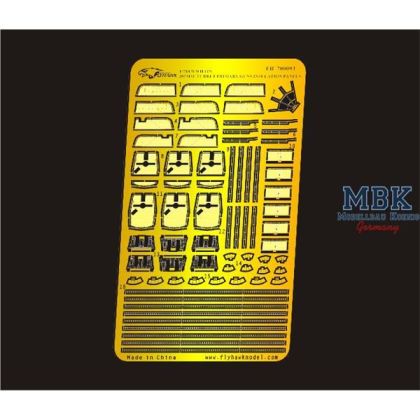
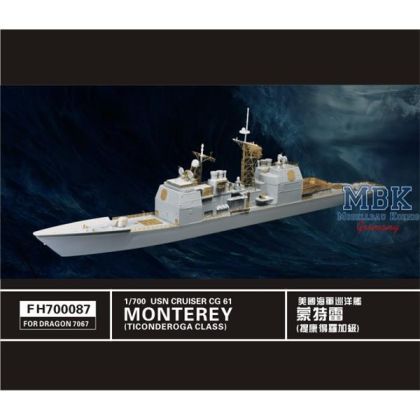
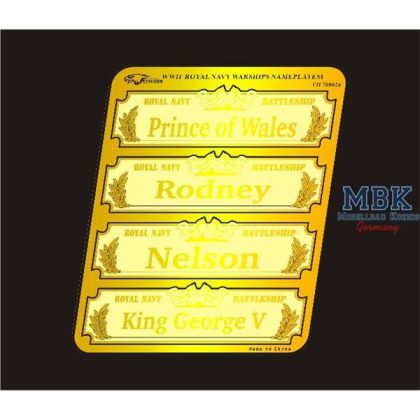
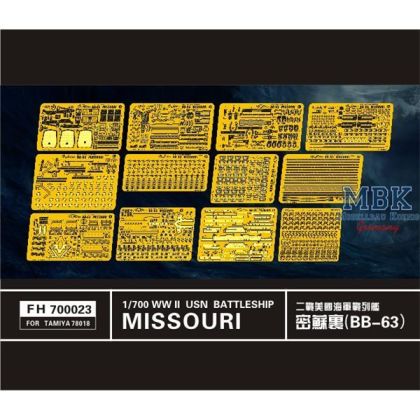
Universal sheets of railings, ladders and ensigns will serve any hull in the right scale, and will serve more than one. Sets made for a named ship go further, solving bridge wings, masts and cranes exactly to the original, sometimes across several linked frets on a large vessel. The kit they are cut for is normally stated in the product name.
Straight railing is within reach on a first attempt: cut it with a scalpel on a hard surface and fold along the scored lines. Three-dimensional masts and multi-part radars need practice — work the sequence out in advance and paint the parts while they are still on the fret, where they hold together and can be handled.
Still choosing a hull? The whole fleet is moored at ship model kits — then match the etch to it in the same scale.