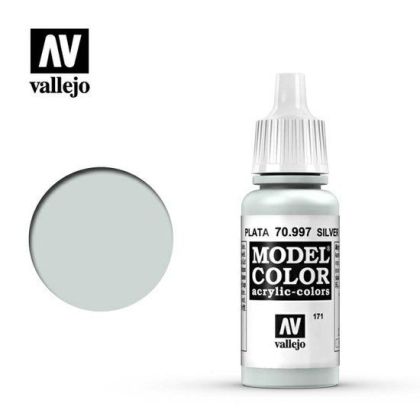
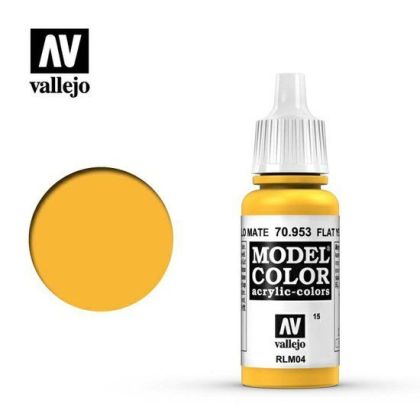
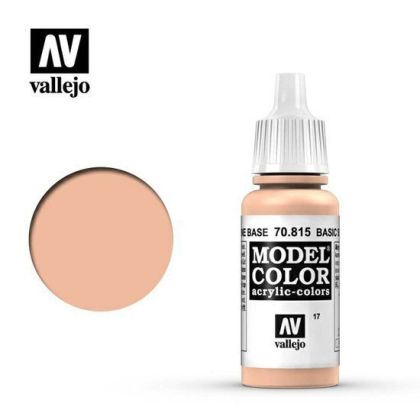
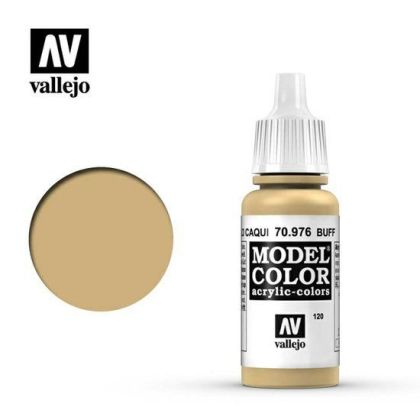
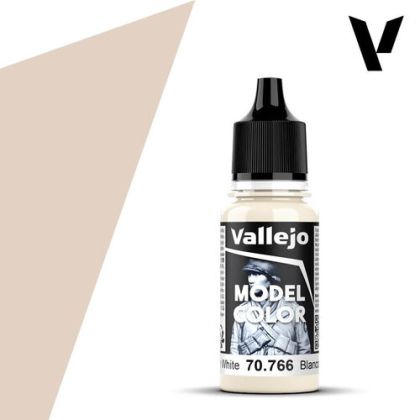
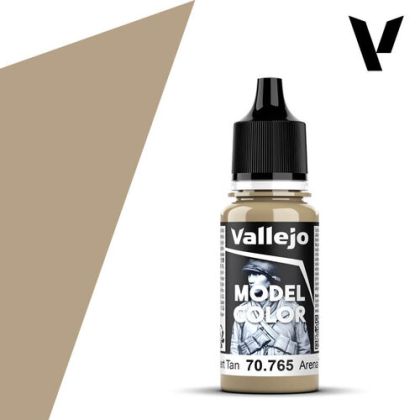
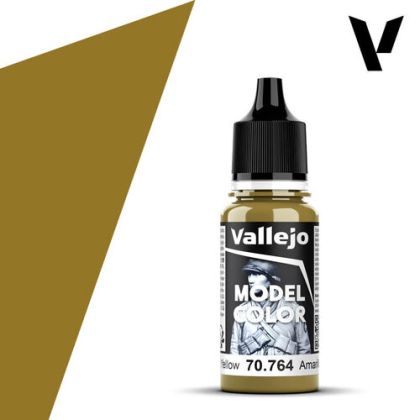
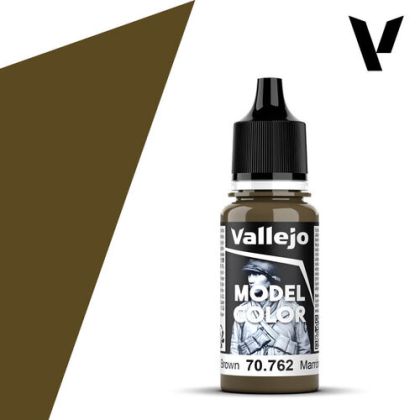
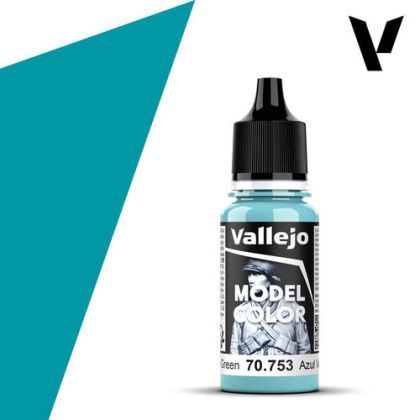
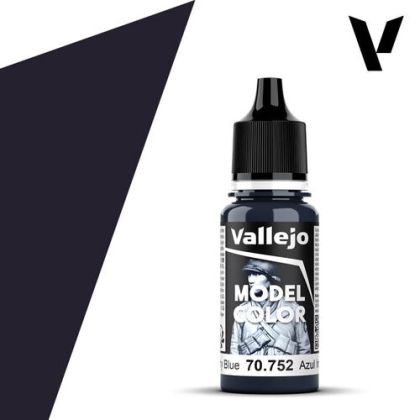
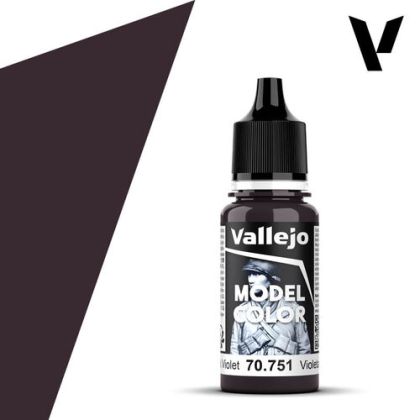
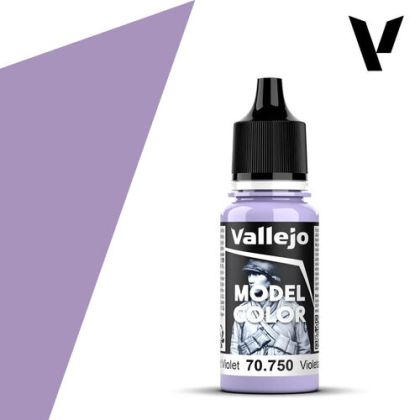
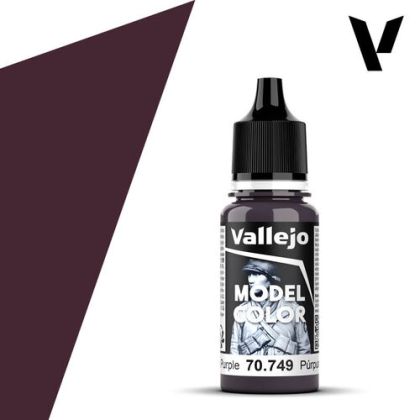
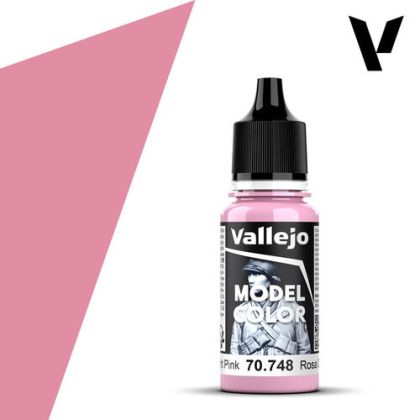
Model Color is the classic brush-painting acrylic. It is thick and heavily pigmented, so it covers in one or two strokes and does not run off small parts or flood engraved detail. The palette is unusually deep in the mid-tones most modellers otherwise have to mix for themselves: earthy browns, faded greens, grey-blues and sand shades.
The dropper bottle changes how you keep records. Counting drops means a mixed shade becomes a written ratio rather than a memory, and that is the difference between touching up a figure's face three weeks later and repainting the whole head. Below: palette discipline, brush choice and what the range leaves to other lines.
Thin paint runs off a brush, floods scribed detail and refuses to cover an edge. Heavier body solves all three, because the colour stays where you put it. The price is that you have to soften it on the palette, otherwise it dries with visible ridges. For interiors, webbing and figures, this is the most comfortable kind of paint to hold.
Acrylic on a dry palette skins over within minutes. A wet palette from the bottles, pipettes and palettes section keeps the colour workable long enough to blend one tone into the next instead of chasing it.
Work in thin coats and climb towards the highlight. Add the lighter shade a drop at a time and write the ratio down; a second batch of the same mix is needed far more often than you expect, usually at the worst moment.
Thick paint wants a springy hair that holds a point and still releases colour. The brush section covers the sizes; synthetic hair copes best with water-based acrylic.
Most of this range ends up on model figures, interiors and small fittings. Thinner and cleaner live in thinners and cleaners, and the maker's remaining lines sit under Vallejo model paints.