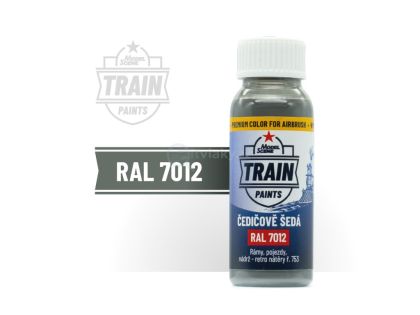
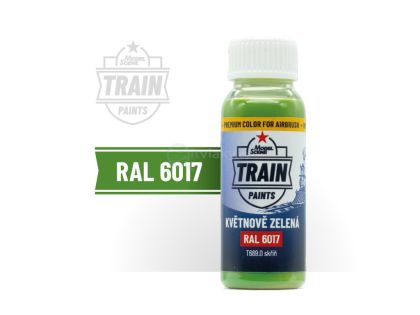
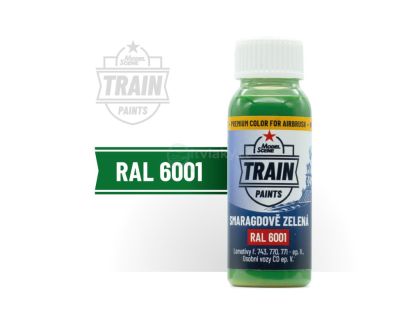
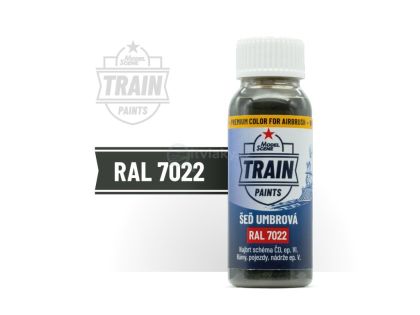
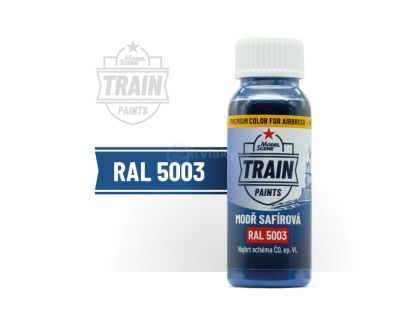
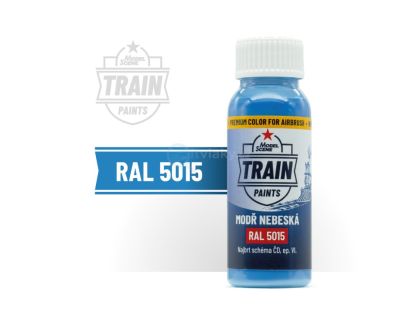
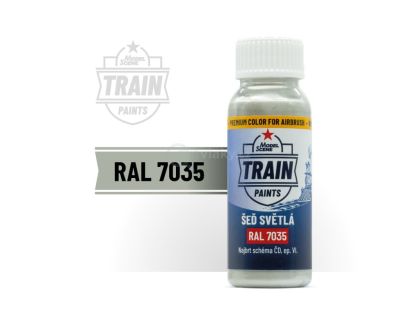
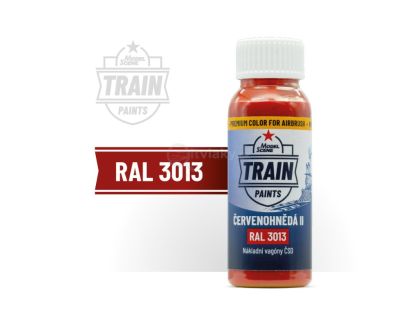
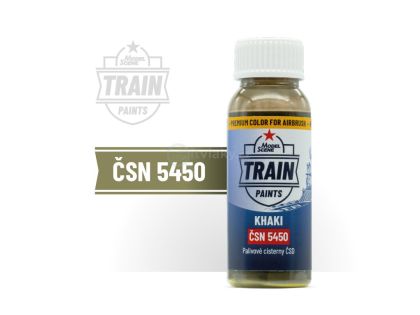
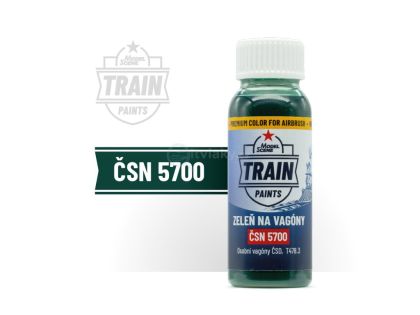
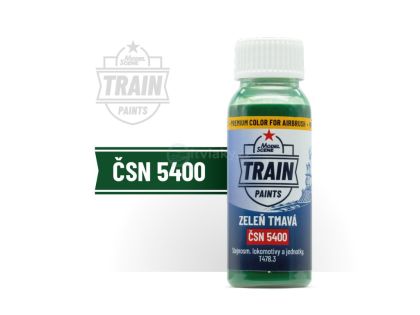
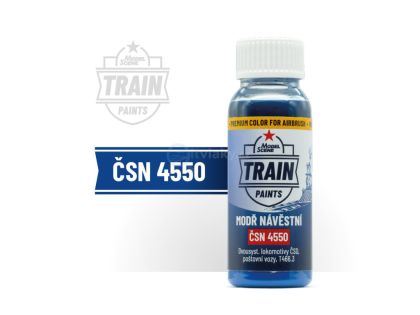
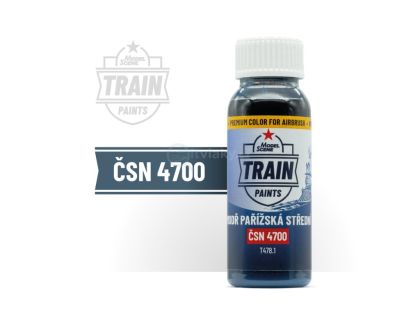
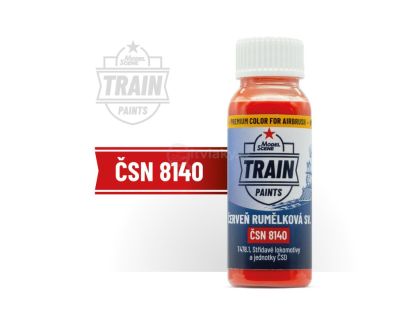
MS Train Paints are enamel shades mixed to the published colour standards used on rolling stock. The palette covers brown-red, ruby and red-brown, basalt, umber and light grey, moss, emerald, may and pale green, sapphire and sky blue, ivory and signal yellow: the colours a locomotive or a carriage was actually painted, not approximations of them. Bottles hold 30 ml, a size chosen for the long flat surfaces that railway modelling involves rather than for the small parts of a plastic kit.
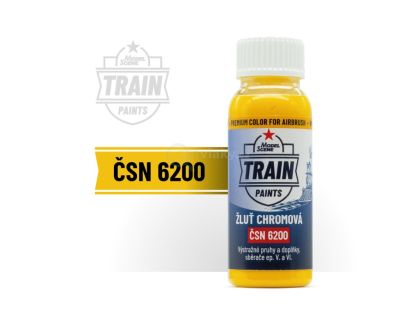 MS Train Paints - ČSN 6200 Žluť chromová / žluť signální (30 ml)
6.36 €
MS Train Paints - ČSN 6200 Žluť chromová / žluť signální (30 ml)
6.36 €
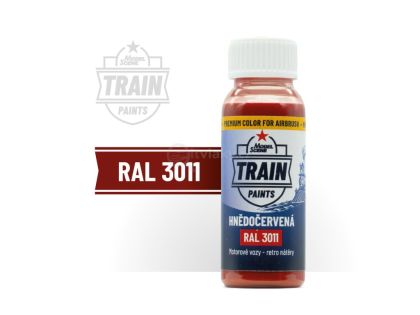 MS Train Paints - RAL 3011 Hnědočervená (30 ml)
6.36 €
MS Train Paints - RAL 3011 Hnědočervená (30 ml)
6.36 €
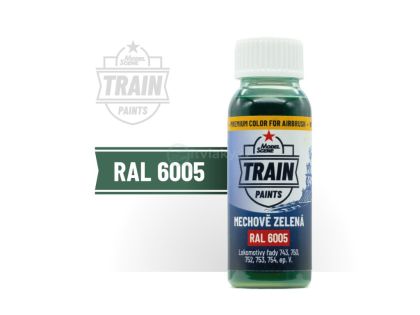 MS Train Paints - RAL 6005 Mechově zelená (30 ml)tr
6.36 €
MS Train Paints - RAL 6005 Mechově zelená (30 ml)tr
6.36 €
 MS Train Paints - RAL 1015 Slonová kost světlá (30 ml)
6.36 €
MS Train Paints - RAL 1015 Slonová kost světlá (30 ml)
6.36 €
 MS Train Paints - RAL 6021 Bledězelená (30 ml)
6.36 €
MS Train Paints - RAL 6021 Bledězelená (30 ml)
6.36 €
 MS Train Paints - RAL 3003 Rubínově červená (30 ml)
6.36 €
MS Train Paints - RAL 3003 Rubínově červená (30 ml)
6.36 €
Railway modelling has an advantage other branches envy, in that the prototype finish can be verified. Vehicles were painted to regulation and their colours carry a code in a published standard, so nothing has to be interpreted from a photograph. A palette built on those codes settles the first and most important question before the airbrush even comes out.
The second issue is the size of the surface. A carriage side is a long flat panel where every brush stroke and every blemish shows. Thirty millilitres allows for that, and because a rake has to match from end to end, it is worth having enough of one shade for all the vehicles at once.
A carriage side cannot be brushed evenly. Without airbrush equipment, divide the panel along the rivet strips and work section by section so strokes end on a natural edge instead of in the middle of a surface. Keep the paint slightly thicker in that case so it does not run on a vertical side.
These shades do not take water. Use a product intended for solvent paint from thinners and cleaners, and the same for washing out tools afterwards.
A clean vehicle in scale reads as a toy. After the paint comes brake dust, grease marks and a dulled roof, using materials from weathering products and weathering pigments. Less is more here: a light dust film does more than heavy grime.
Other solvent-borne ranges are in the parent category enamel model paints, and water-thinnable alternatives in acrylic model paints.