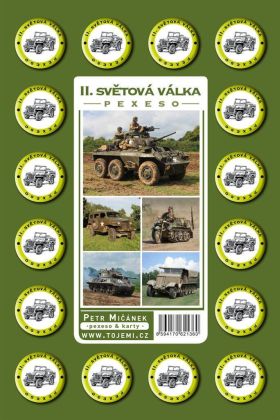
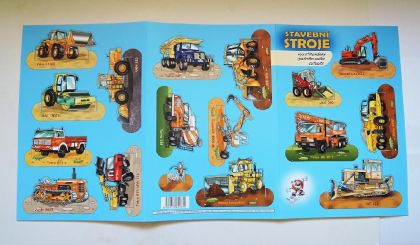
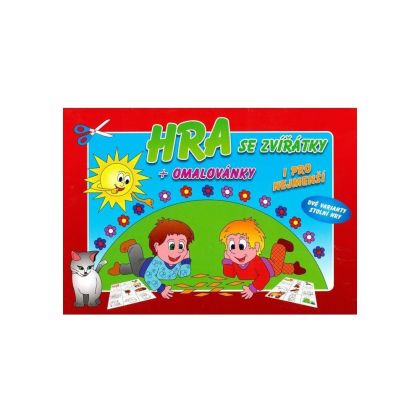
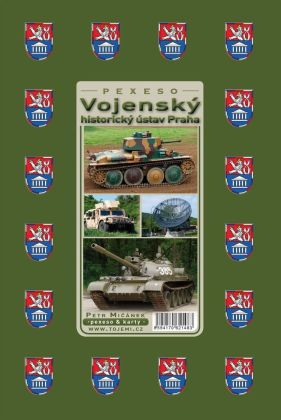
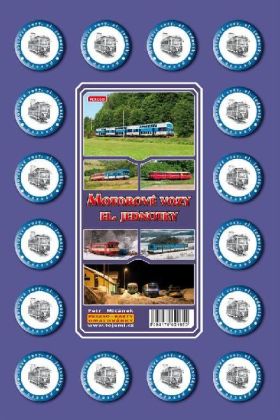
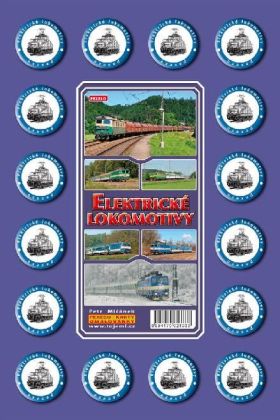
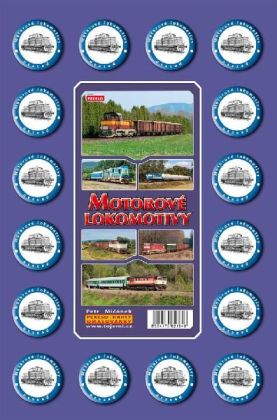
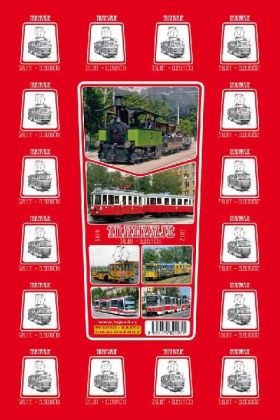
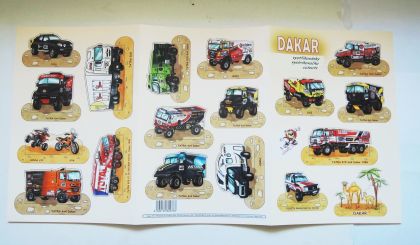
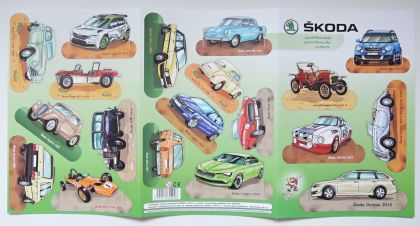
This is the corner of card modelling where the result arrives within the hour. Large parts, generous glue tabs and printing that asks for nothing more than scissors — exactly what a child needs so that a first model does not put them off. Alongside cutouts of vehicles, machines and animals there are printed memory games and card games on modelling and historical themes, which travel well and work in a classroom. For an adult they make an undemanding afternoon with no table to prepare.
The main audience runs from pre-school to younger school age. Parts are big enough to cut with scissors, folds are marked, and the glue tabs are wide enough to forgive inaccuracy. The second audience is parents and grandparents looking for something to do together at the table with no chemicals and no tools.
Besides cutouts there are games here — printed memory sets and themed packs with historical and transport subjects, where nothing is glued at all.
For a pre-schooler pick a sheet with a handful of parts and bold artwork, where the result appears within minutes. A school-age child manages a model of a dozen parts and folds along marked lines. Older children are usually ready to move up to demanding sheets with small components.
Some sets are meant to be played with, so they will be handled — on those it is worth backing the base with heavier card. Others are decorative and end up on a shelf. Memory and printed games are not glued at all, only cut apart.
Scissors and a glue stick cover most sheets. The moment an internal cut-out or a window appears, a scalpel and a mat are needed. With children under about ten it is sensible for an adult to do the cutting and leave folding and gluing to the child.
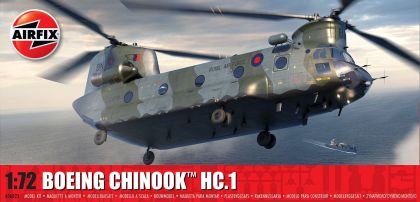
When a child wants more, move on to the harder sheets in card model kits, to glue-free three-dimensional builds in 3D puzzles, or to colouring books where only paint is involved. Standalone games are in playing cards.