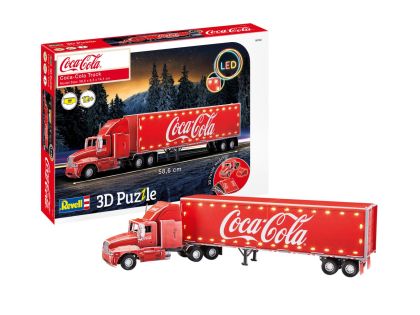
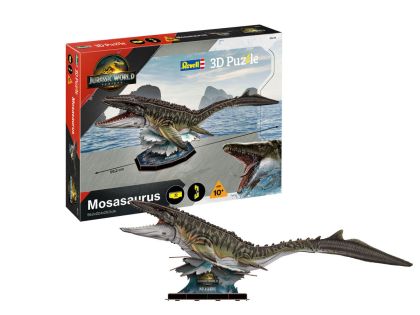
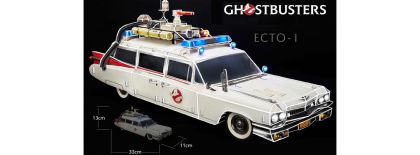
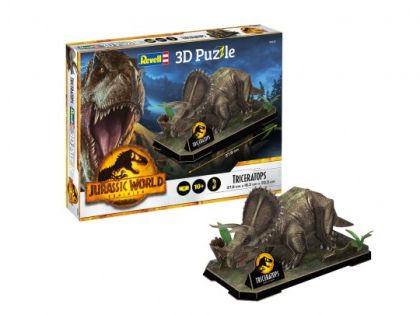
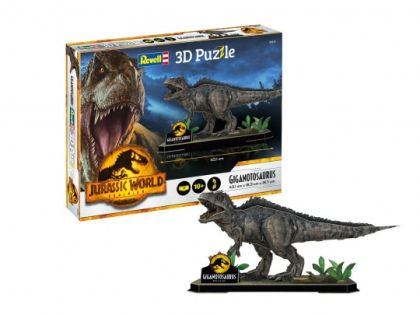
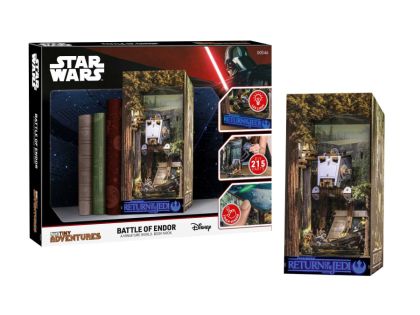
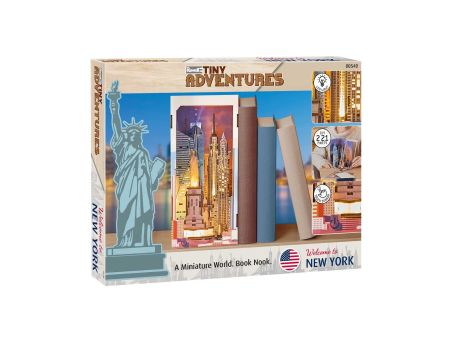
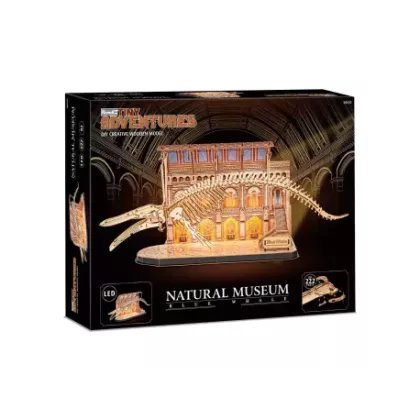
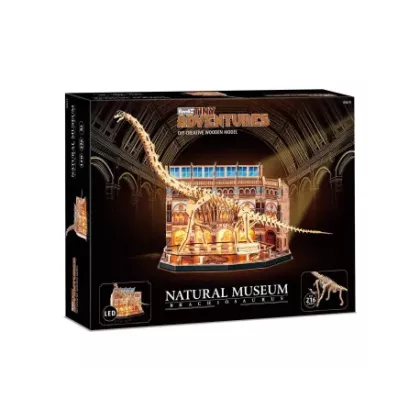
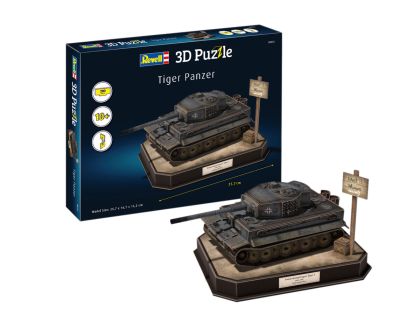
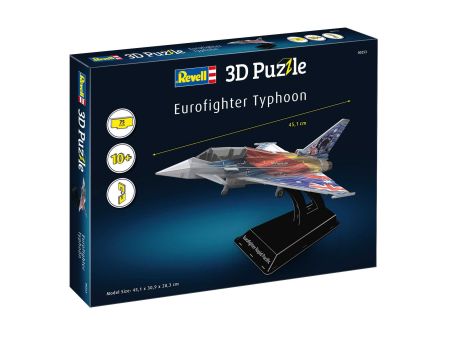
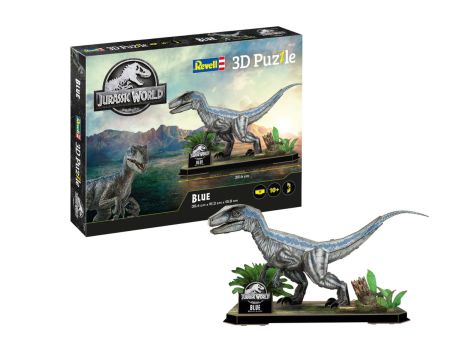
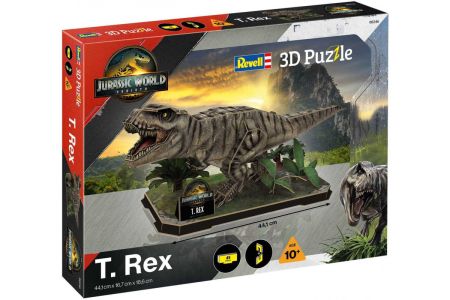
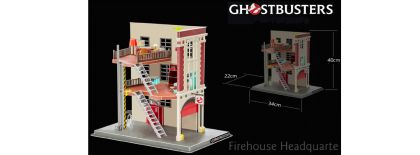
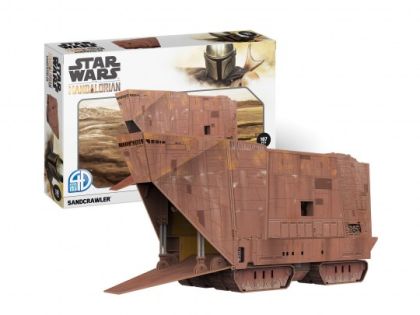
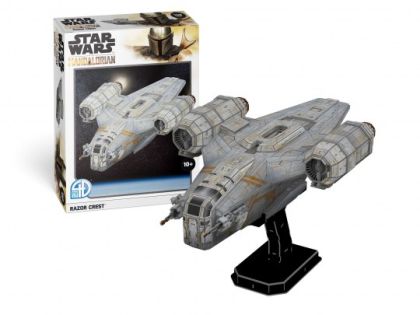
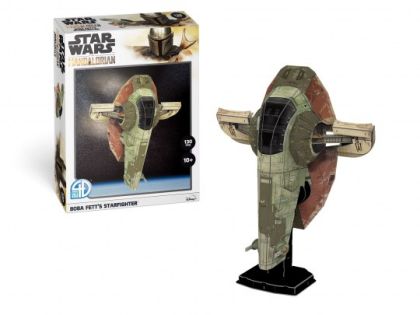
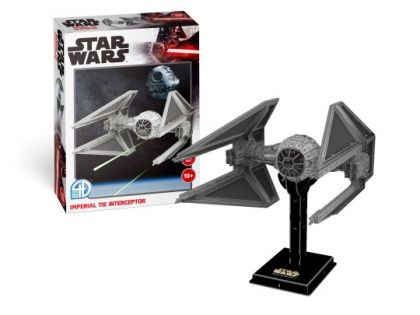
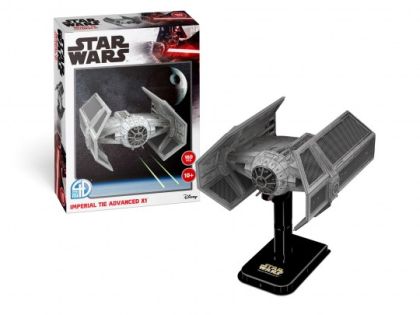
A 3D puzzle is assembled from die-cut parts that lock together without glue or tools, and what comes out is a three-dimensional object rather than a picture on a table. The parts are made from stiff foam board with plastic connectors, which puts them within reach of children and complete beginners. Subjects run across dinosaurs, military vehicles, aircraft, famous buildings, ships and figures, plus licensed film and game themes.
Below we set out how the system works, where it genuinely differs from a plastic kit, and the one handling mistake that spoils a part.
Parts come pre-cut from stiff foam board or plastic and are held by tabs and connectors. You press them out by hand, slot them together in a numbered sequence, and the model grows in layers. No glue, no blade and no paint are needed, so it can be built on a kitchen table and interrupted at any point. A build normally runs from an hour to an afternoon depending on part count, and the finished model holds its shape without internal bracing.
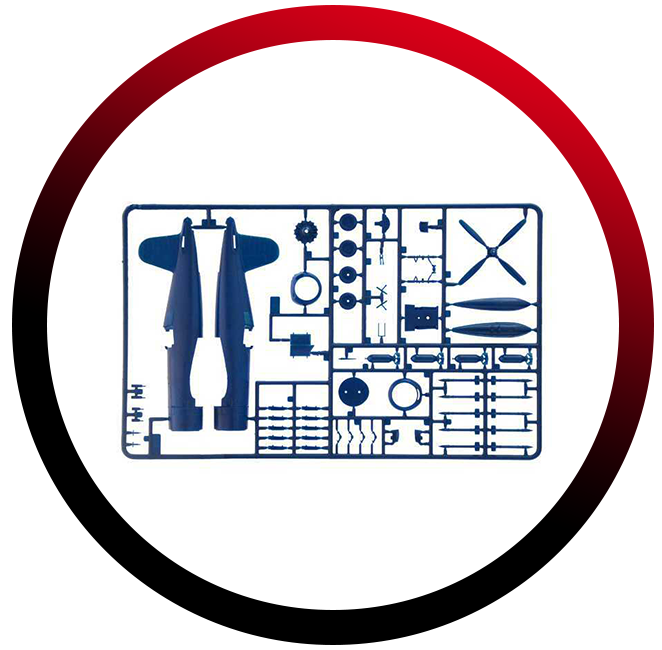
On a plastic model you deal with cutting parts from sprue, cleaning seams, filling and painting. A 3D puzzle skips all of that, because the surface is printed at the factory. The trade for that convenience is control: there is no way to refine the model, so the detail does not reach the level of a conventional kit.
It makes a good first experience for a child and a quick build for anyone who wants something finished in one afternoon. It is also a sensible gift, since nothing has to be bought alongside it. Anyone who wants more from modelling moves on either to snap-fit kits or straight to plastic model kits.
The range covers dinosaurs, military vehicles, aircraft, landmark buildings, ships and figures, as well as licensed film and game themes. The dinosaur theme also exists as plastic dinosaur kits if a child later moves to conventional building, and younger children are served by colouring books.
Foam board parts can be crushed, so press in the body of the part when freeing it, never on the edge. Follow the sequence as given; a dismantled model goes back together with difficulty. The finished object is light and copes with dust better than a glued kit, though it belongs in a case just the same — see display cases and display bases if you want to present it properly.
A 3D puzzle is not a substitute for a plastic model and does not try to be. It is a different discipline with a comparable result on the shelf. More unconventional items are in other modelling products.