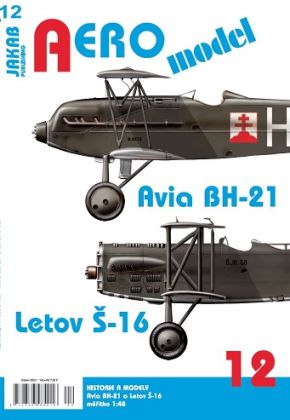
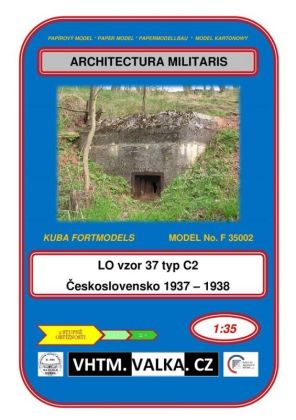
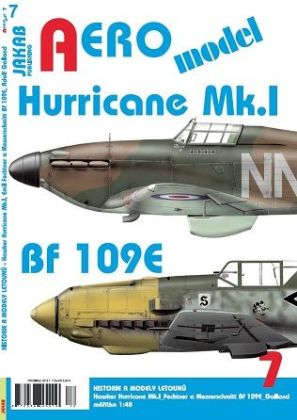
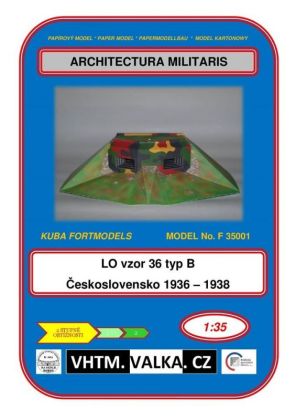
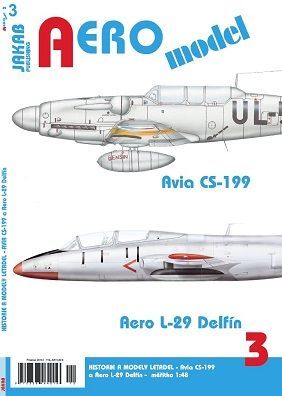
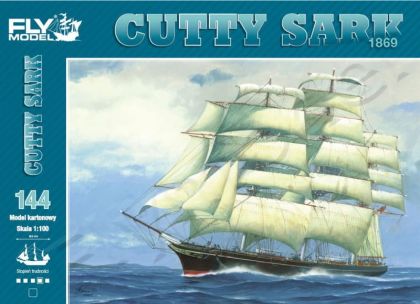
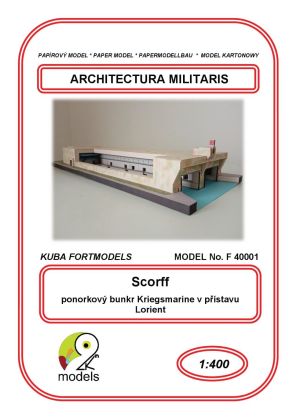
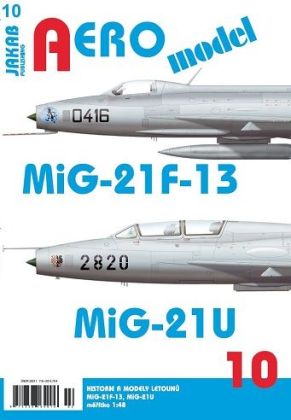
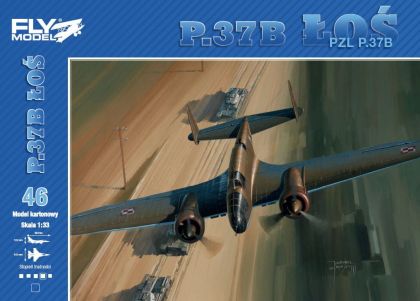
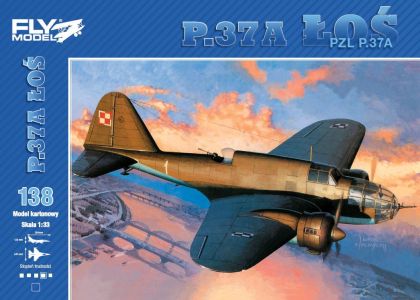
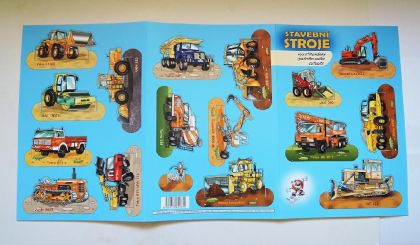
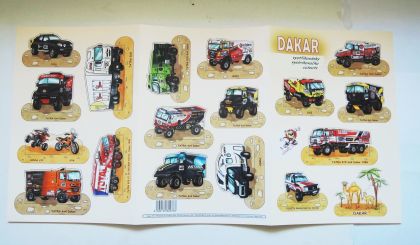
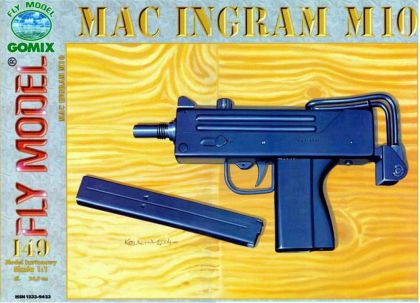
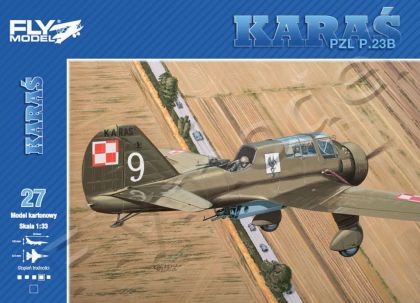
Card modelling is the oldest route to a finished model: a blade, glue and patience are the whole toolkit. Printed sheets arrive with colour, markings and rivets already on the part, so nothing needs spraying or weathering before the model looks finished. The range runs from single large-scale sheets and magazine-format editions of aircraft to fortification structures, ships and quick cutouts for children.
Below we explain how difficulty really varies between subjects, what the choice of scale changes in practice, and the three tools that decide whether a cut edge looks deliberate.
On a printed kit the surface finish was completed at the press. Nothing is assembled from mouldings; instead, flat shapes are rolled, folded and joined along a glued tab. Paper thickness is structural: formers and bulkheads get backed with heavier card so a fuselage holds its section.
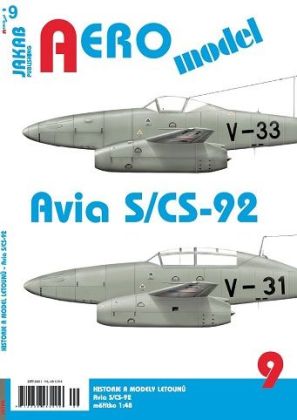
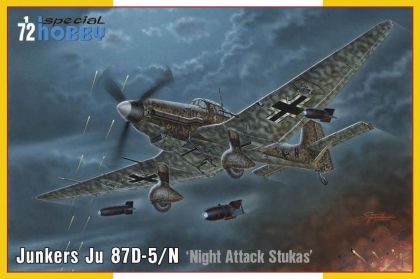
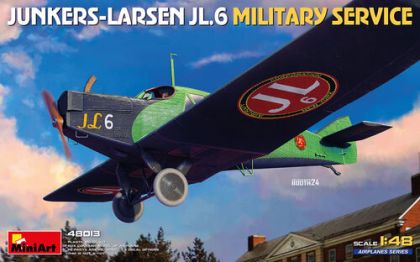
Part of the range comes as magazine-format editions pairing two subjects in one issue, part as single sheets in larger scales where every rigging line can be tied off.
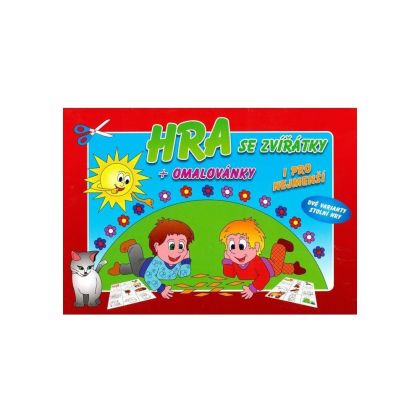
Simple cutouts have large shapes, few parts and go together inside an hour, which suits children and an idle afternoon equally. Single sheets of aircraft and ships are another discipline altogether: dozens of small parts, rolled fuselages and often rigging. Fortification structures and buildings sit between the two, with flat surfaces and a result that looks right quickly.
Larger scales mean larger parts, easier handling and more printed detail, at the cost of shelf space. Small scales let a whole group of structures share one scene, but millimetre-wide glue tabs need a steady hand and good light.
Scissors are enough only on the simplest sheets. As soon as windows, slots and internal outlines appear, a sharp scalpel and a mat that guides the blade become necessary. A steel-edged rule is the third indispensable item — on paper a wandering cut cannot be disguised afterwards.
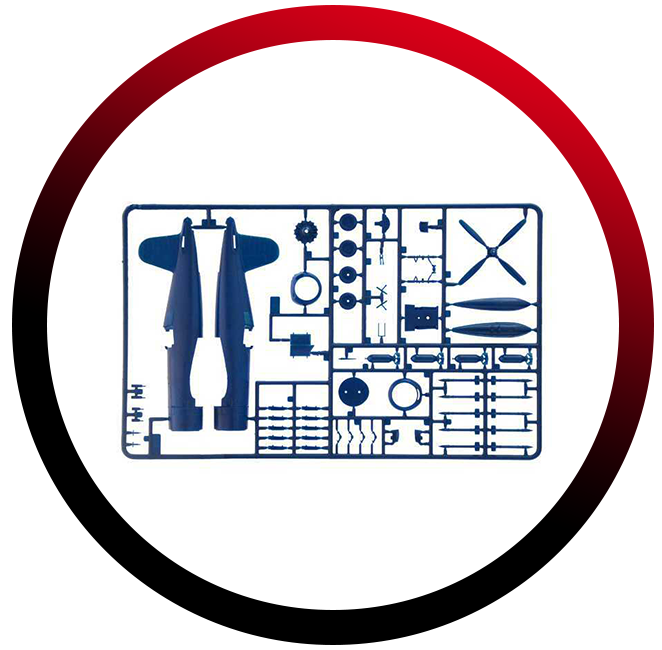
If a few card models leave you curious about mouldings, paint and weathering, carry on to plastic model kits — the building logic is similar, only the material and the tools change.