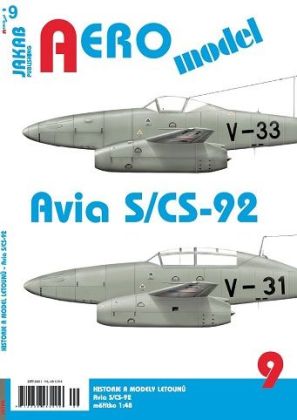
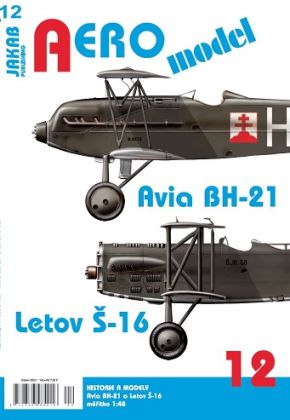
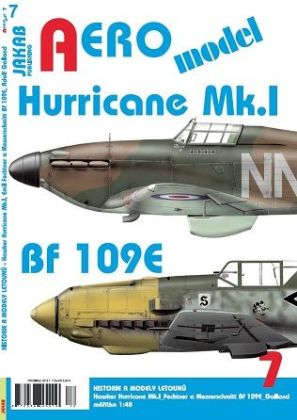
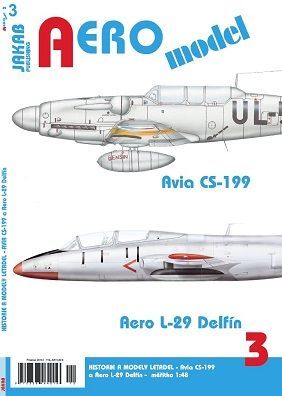
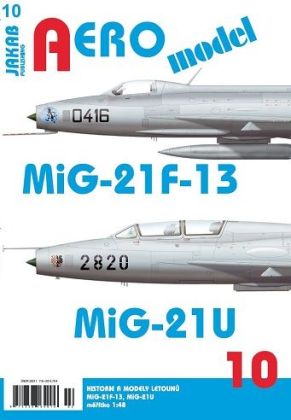
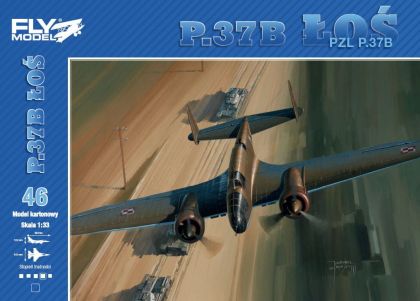
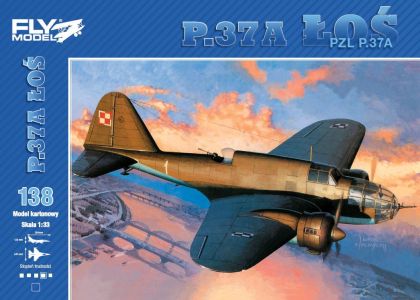
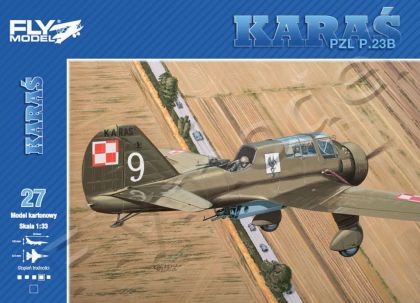
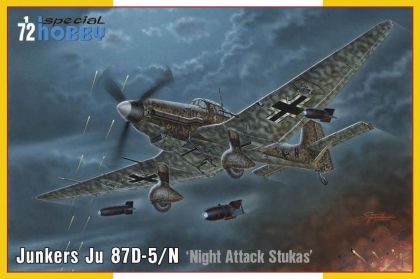
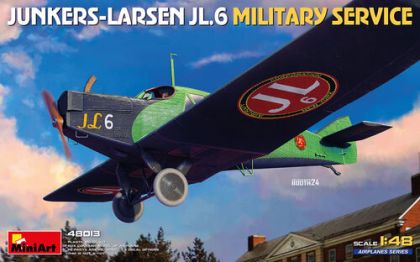
Aircraft are the most popular and simultaneously the most demanding discipline in card modelling, and this is where the printed sheets concentrate. A rolled fuselage, tapering wings and the rigged bracing of a biplane ask for patience, and repay it with a finished model whose printed finish would have cost several evenings of painting. The section holds single sheets in the larger 1:33 scale alongside magazine-format editions pairing two subjects per issue — interwar biplanes, wartime fighters and jet types.
Below: what the fuselage structure demands, how scale changes the work, and the decision about cut edges that has to be made before anything is glued.
The fuselage is built from rings and bulkheads over which the skin is wrapped and glued. This stage decides the whole model: if the formers are not aligned on one axis, the wings will not share a dihedral and the nose pulls to one side. Wings are often double-skinned to hold an aerofoil section, and older types add drawn bracing and wire.
The print carries camouflage, national markings and rivet detail, so nothing is sprayed — the only finishing question is what happens at the edges.
The 1:33 scale gives large parts that roll well and forgive a slightly imprecise cut. Smaller scales are kinder to shelf space, but millimetre glue tabs and tiny canopy frames want a fresh blade and a calm hand.
A monoplane with a relatively angular fuselage is a sensible first card aircraft. A biplane adds a second wing, struts and rigging, so the difficulty multiplies. With jet types the work shifts towards cleanly cut intakes and the canopy glazing.
A cut edge in card is white and stands out on a finished model. Modellers either run thin paint along it in the colour of the print or use a coloured pencil — decide in advance, because once the model is closed up some edges are unreachable.
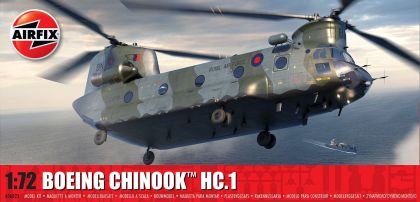
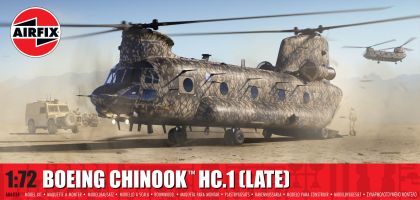
If the same machines interest you in plastic, with mouldings, paint and weathering, head for aircraft model kits, and for rotary wing subjects helicopter kits. Historical types read well alongside modelling literature, and the remaining printed sheets are in card model kits.