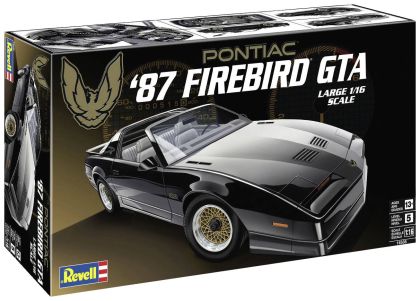
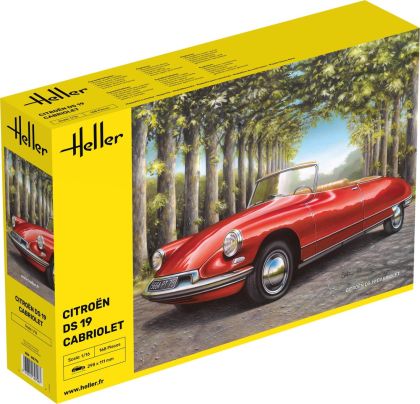
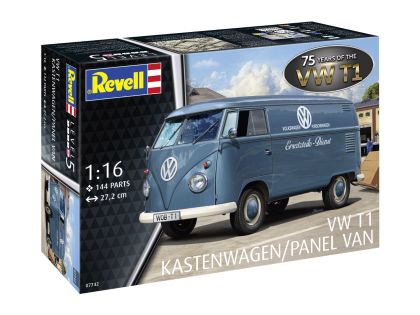
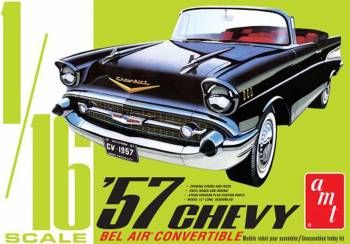
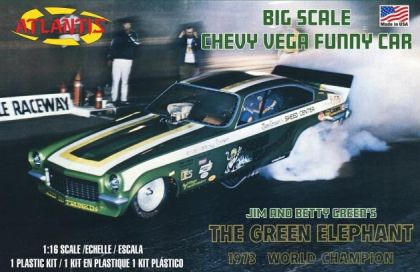
Somewhere between the mainstream 1:24 and the giant formats sits 1:16, and it has quietly claimed one of the best spots on the shelf. A finished car runs from 14 cm for a microcar to more than 31 cm for a 1950s American convertible, carries noticeably more detail than a standard kit, and still fits a normal display case. The subjects lean towards classics: European microcars and convertibles, a cult delivery van, and American cars from the 1950s to the 1980s including drag-strip specials. For anyone drawn to vintage machinery, few scales give back so much.
Call it the sensible middle. The body shell is large enough for chrome strips, glazing and upholstery to read properly, yet the build does not swallow the time or the space that 1:12 and above demand. That is why 1:16 traditionally gets subjects with a story attached: a bubble car with a single front door, a cult van, a finned convertible, a muscular American coupé. The choice is smaller than in 1:24, which only adds to the collector's appeal.
European subjects trade on elegance and rounded shapes, where careful sanding and a deep gloss pay off. American cars bring heavy chrome, two-tone schemes and, in race trim, blown engines on display, which means more parts and more small-detail brushwork.
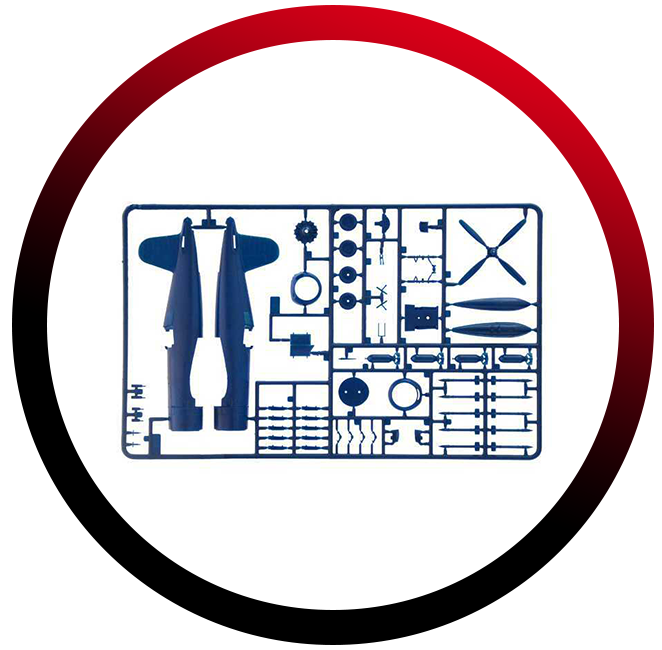
Most kits in this scale have a modest part count and go together pleasantly. Two watch points: two-tone paint schemes need careful masking, and the chrome surrounds around the glazing need a steady hand. Patience with clear parts pays double here, because the windows are the first thing anyone looks at.
If the format grabs you, keep the collection together. Cars in 1:16 look superb standing side by side, whereas mixing them with 1:24 makes both look wrong.
Smooth the primer, lay model paints on in thin coats and make the seams with a precise model glue so nothing spoils the chrome or the glazing. Smaller cars of the same character wait in 1:24 and 1:25 car model kits, bigger ones in 1:8 and 1:12 car model kits, and the full branch is listed under car model kits.