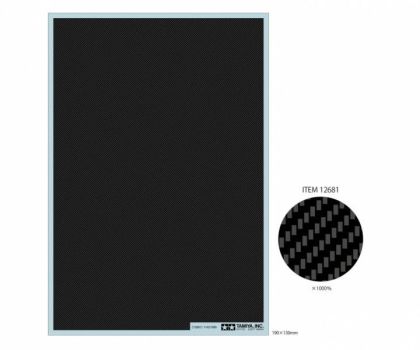
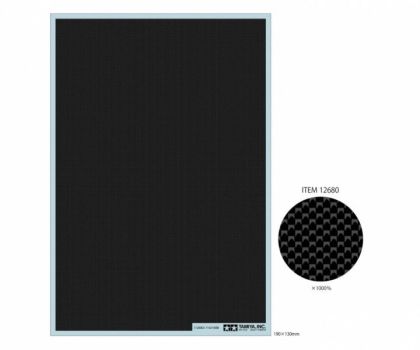
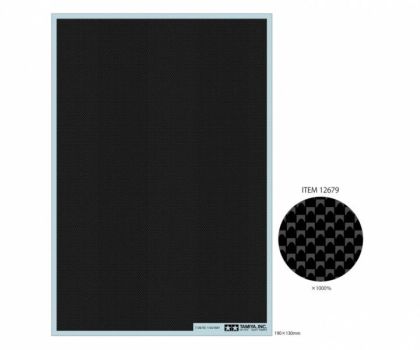
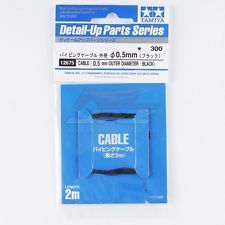
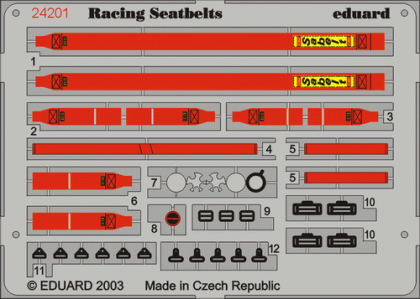
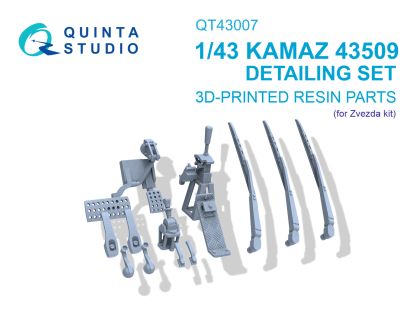
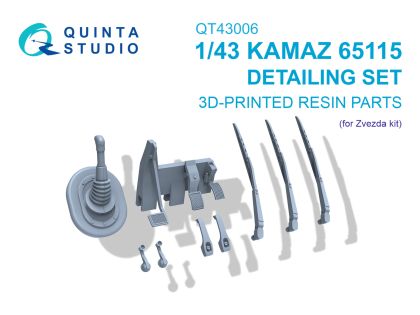
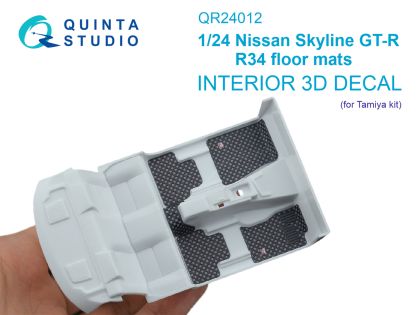
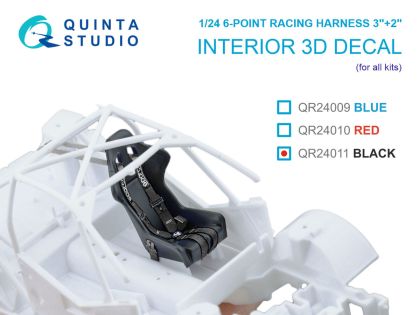
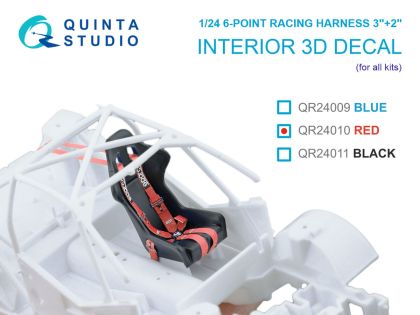
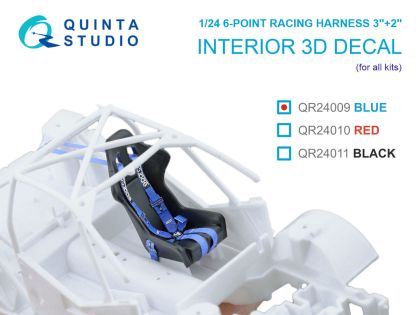
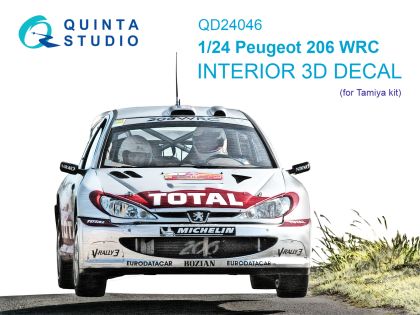
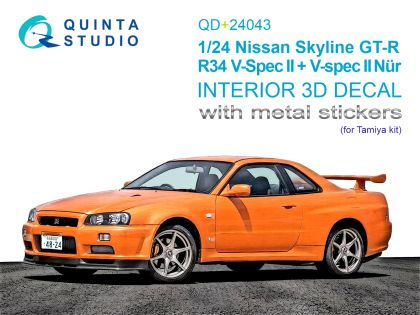
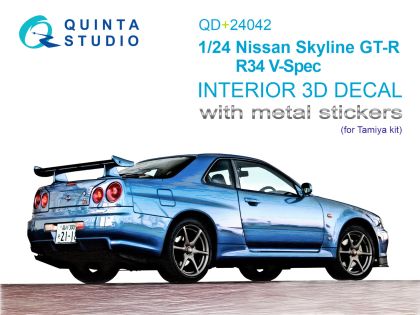
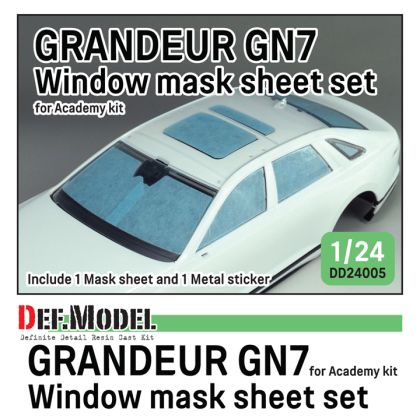
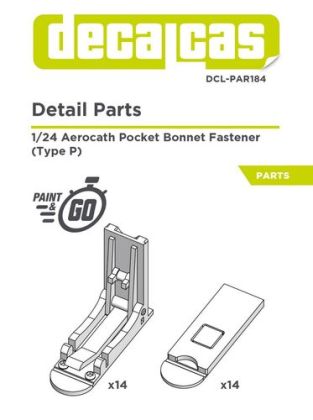
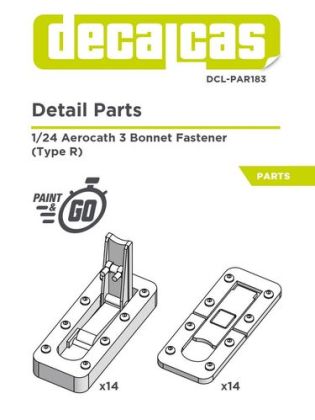
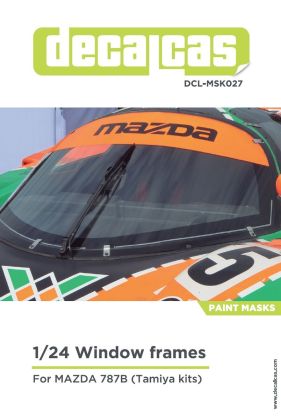
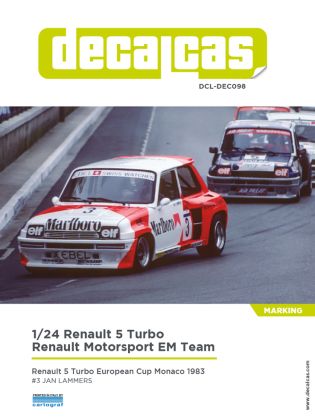
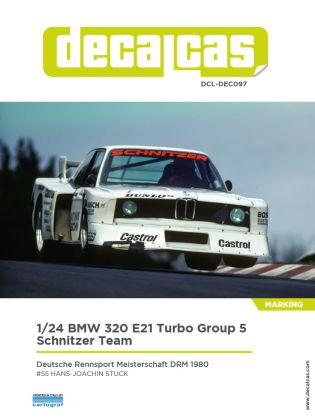
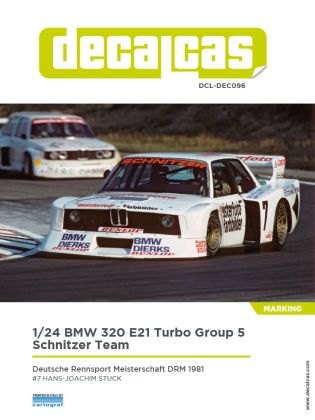
Accessories are what separate a tidy build from one that holds its own next to competition work. This section gathers wheels and rims, photo-etched frets, decals that imitate carbon fibre and Kevlar, pre-cut paint masks, complete detail sets, and the small things that make the difference: miniature screws, fittings and engine wiring. Most items are aimed at 1:24, 1:20 and 1:12. Below we go through choosing by scale and by experience, and where to start so the difference shows on the very first model.
The word covers everything a box normally leaves out or simplifies: correctly shaped wheels, photo-etched metal for wipers and grilles, decals printed with a carbon weave, pre-cut masks for glazing, tubing, connectors, clamps and tiny fasteners. The engine bay and the interior are what decide whether a model reads as a toy or as a scaled-down real car.
Always match the accessory to the scale of the kit. The widest choice exists for 1:24 and 1:25 car model kits, but 1:20 and 1:12 are well covered too, which is the territory of formula car model kits.
To lift the look of the bodywork, reach for decals and masks. For a technical fix, go after the engine bay: tubing, connectors, clamps and screws. Photo-etched parts give you thin edges where injected plastic is simply too thick, and resin castings replace simplified brakes or seats.
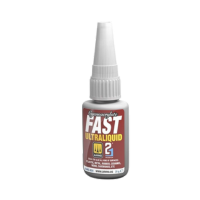
Newcomers should start with masks and decals, where tweezers are all the special equipment required. Photo-etched frets and complete detail sets need cyanoacrylate and some patience, and repay it with a level of definition plastic cannot reach.
Fine work calls for decent modelling tools, and the kit you are going to improve is waiting in car model kits.