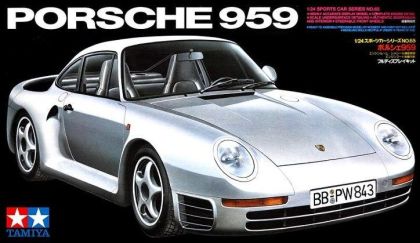
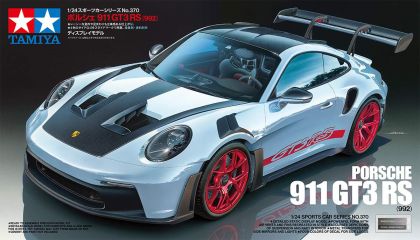
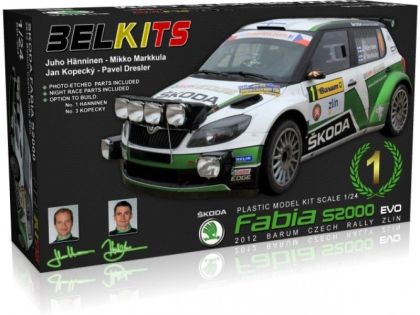
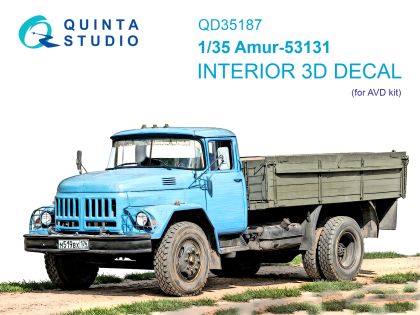
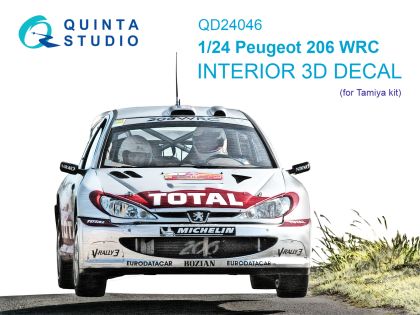
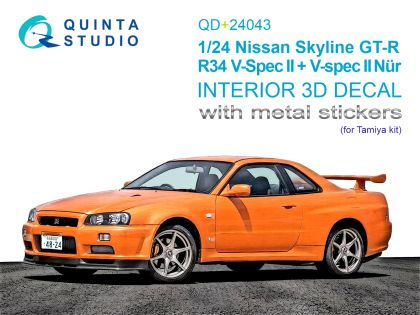
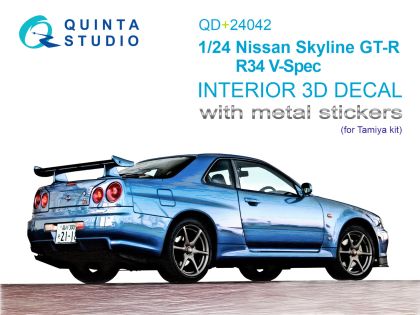
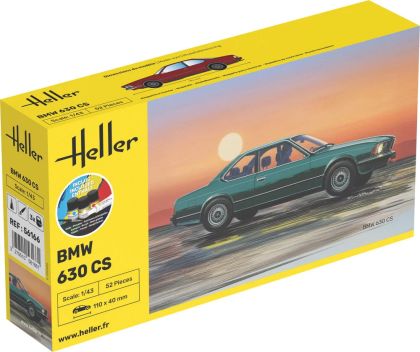
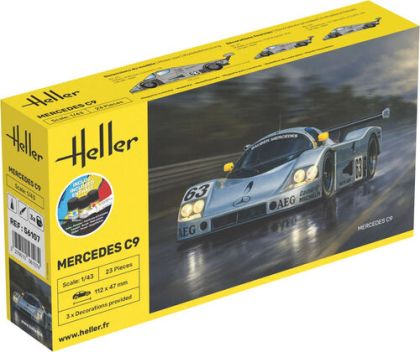
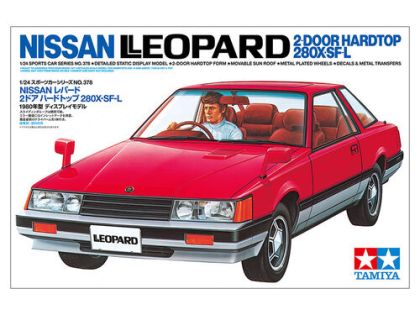
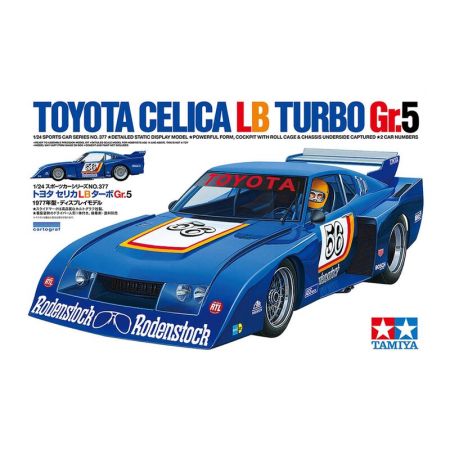
Car model kits are judged on their paint finish above everything else. A body shell has no panel lines or rivet rows to hide behind, so surface preparation, surfacer and polishing matter more here than in any other corner of scale modelling. This branch covers road classics, Japanese coupés, American muscle, rally machines and delivery vans, and alongside them sit separate branches for formula cars, trucks, tractors and civilian working machines. Scales run from the collector-sized 1:43 up to the half-metre 1:8. Below we work through choosing a scale, choosing a subject, and the detail sets that take a body shell to showroom level.
A car kit breaks down into a body shell, a chassis with engine, an interior, wheels and clear parts for glazing and lamps. The effect you are chasing is different from aircraft or armour: deep gloss, crisp chrome surrounds and tyres with a believable tread pattern. Building cars teaches patient sanding, filling and spraying, and those three skills carry straight over to every other subject you will ever build.
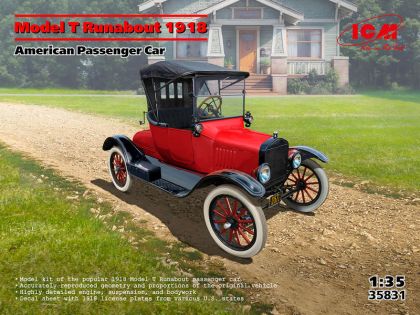
1:24 and 1:25 is the world standard and offers by far the widest choice of subjects. 1:8 and 1:12 are long-term projects with a fully plumbed engine. 1:32 and 1:35 share their size with figures and diorama subjects. 1:43 slots in next to collectors' die-cast shelves, and a handful of oddities live in smaller sizes again.
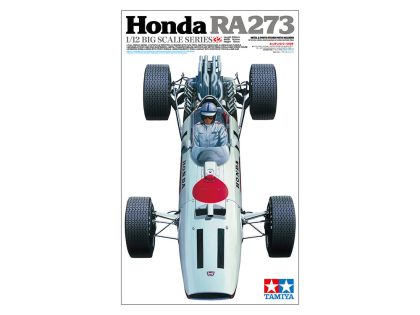
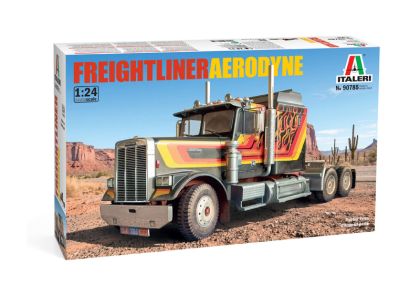
Single-seat racers have their own branch, heavy haulage sits with the trucks, agricultural machines with the tractors, and excavators, fire appliances and buses with the civilian vehicles. Everything else in this branch is a passenger car, from pre-war saloons to current hot hatches.
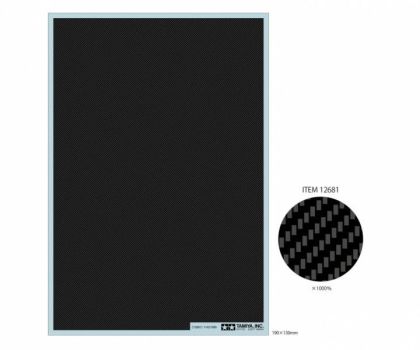
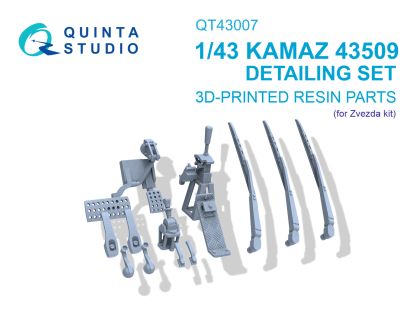
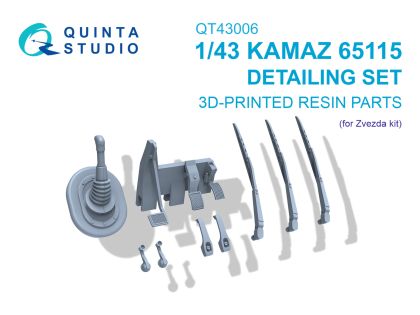
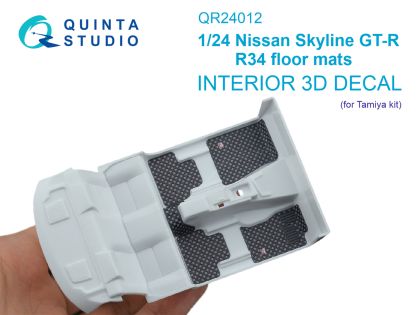
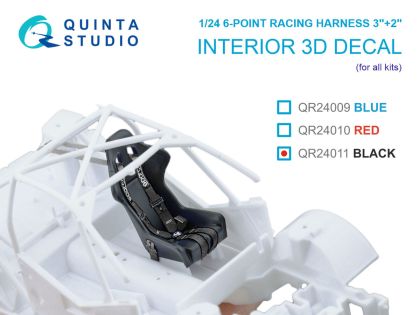
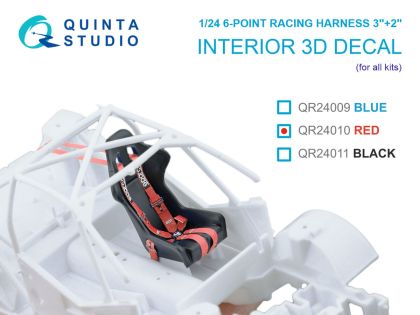
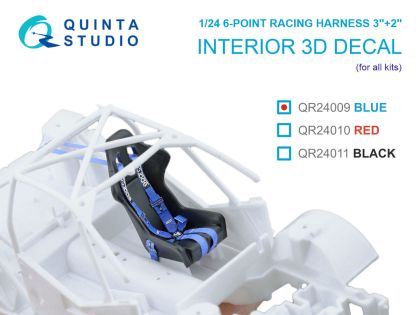
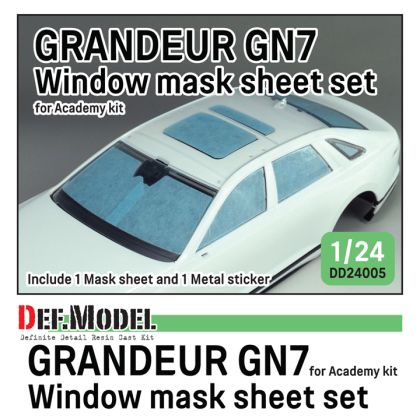
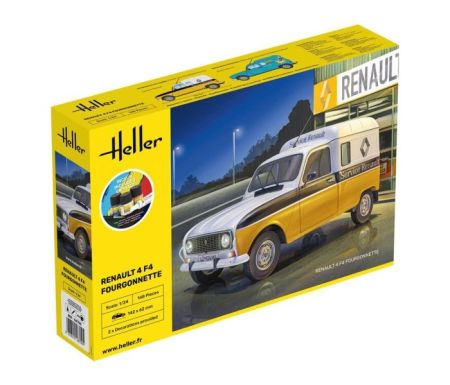
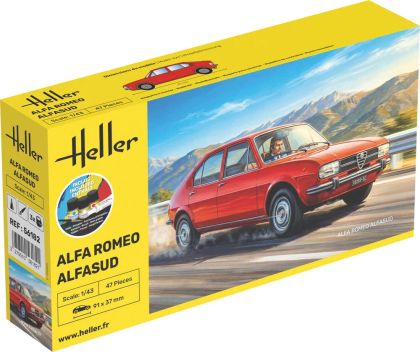
Starter sets add basic paints, glue and a brush, so you can open the box and begin. Standard kits assume you already have a workbench stocked. The richest boxings throw in photo-etched parts, metal badges or pre-cut window masks, the kind of detail you would otherwise buy separately.
The paint finish decides the result. A shade that matches the real car, a primer coat underneath and a final gloss turn moulded plastic into something that looks like it rolled off a stand at a motor show, and the model paints section is where that work starts.