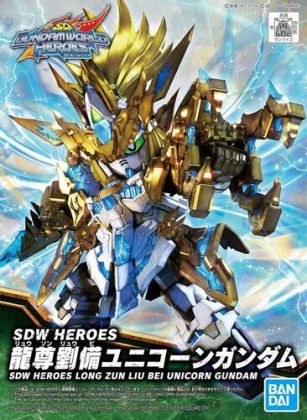
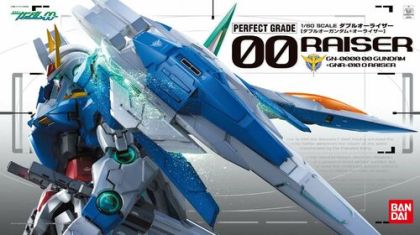
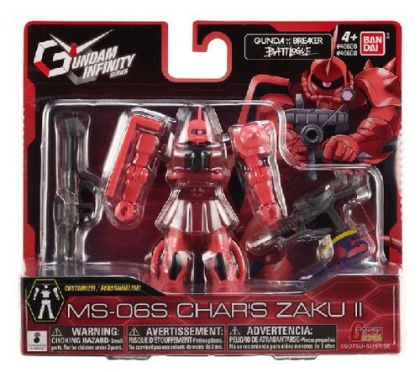
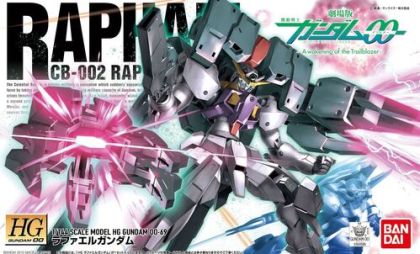
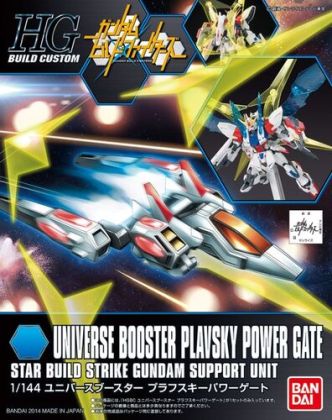
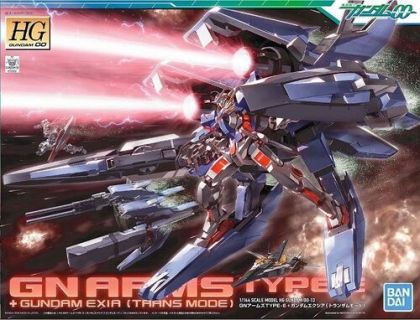
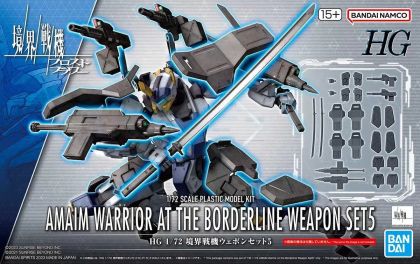
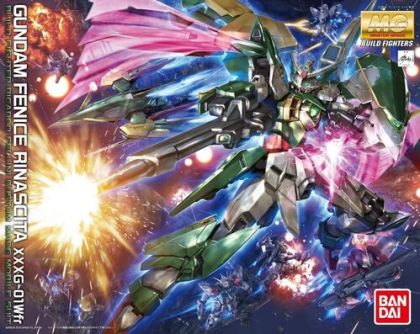
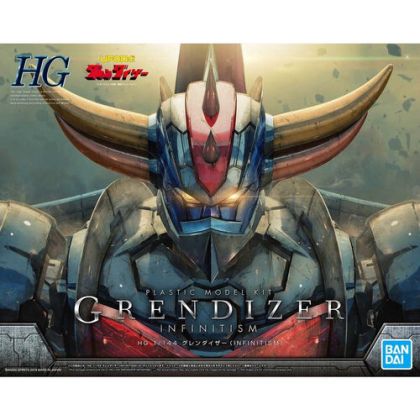
Gundam kits, known to builders everywhere as Gunpla, turned Japanese mobile suits into a modelling discipline of their own. Parts click together without glue, they come moulded in the colours of the original design, and the finished robot is fully articulated, so you pose it however the scene in your head demands. The range spans mobile suits from across the series along with related mecha from other Japanese franchises.
The one thing newcomers need to understand is the grade system, because it decides scale, part count and how many evenings the build will take. The guide below covers it.
The word is a contraction of Gundam and plastic model. Unlike a conventional kit, there is nothing to glue and nothing that has to be painted: you cut the coloured parts from the runners, clip them together and within a few hours you are holding an articulated mobile suit with dozens of joints. That clean, chemical-free build is why Gunpla works as a first kit for children and for adults without a dedicated bench.
Kits are sorted into grades. The entry classes in 1:144 are quick and modest in part count, High Grade and Real Grade add finer breakdown and better articulation, and the 1:100 Master Grade classes bring an inner frame, far more parts and dozens of hours of work. Start small; collectors end up at the higher grades anyway.
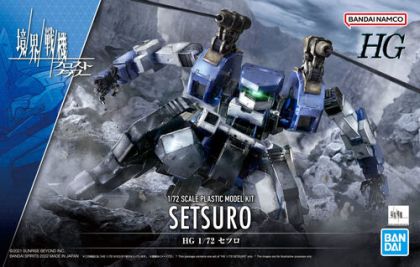
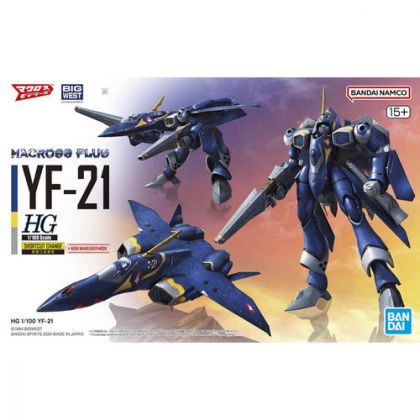
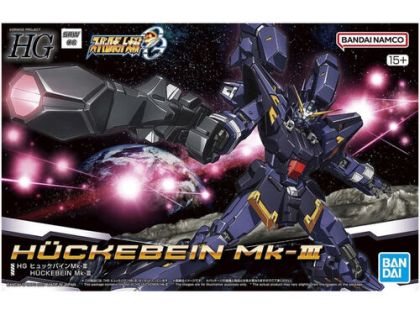
From the classic Universal Century machines to recent designs from the Witch from Mercury, pick the anime you actually watched. Alongside the Gundams themselves the range takes in mecha from the Macross and Mazinger universes and other super-robot classics.
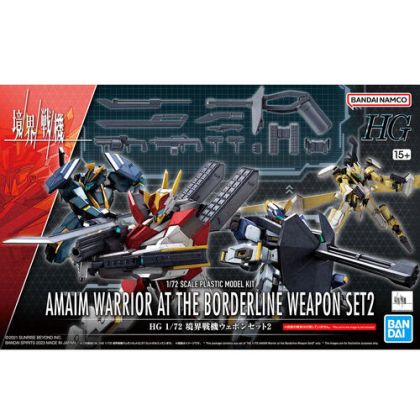
Half the appeal of Gunpla is customisation: optional weapons, effect parts for thrusters and beams, and add-on armour sets that let you finish a machine nobody else owns. Panel lining with a fine marker or a wash is the quickest upgrade of the lot.
Mecha from outside the Gundam universe sit next door in sci-fi model kits, and the whole genre, real rockets included, is summarised in sci-fi and fantasy models.