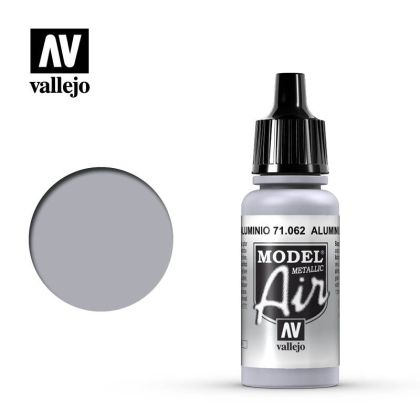
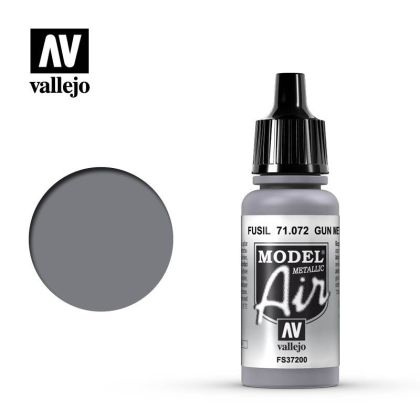
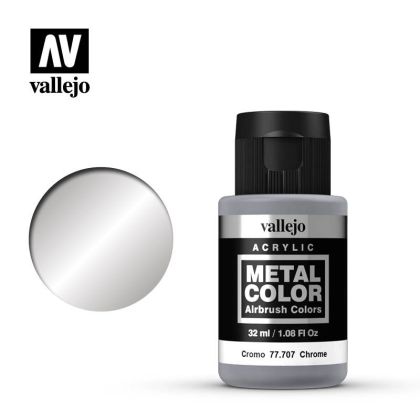
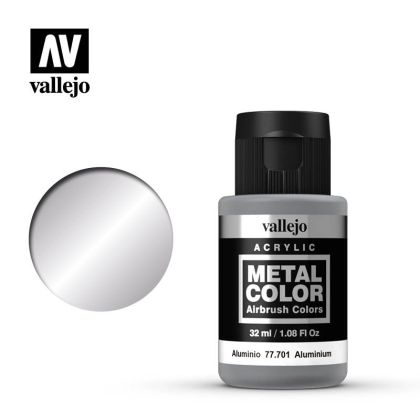
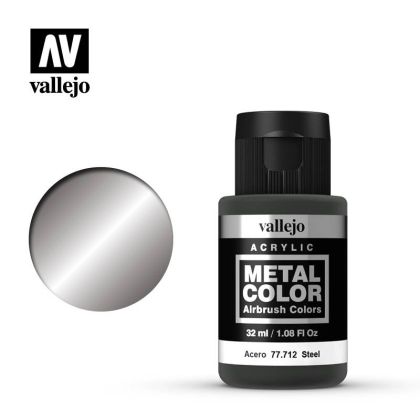
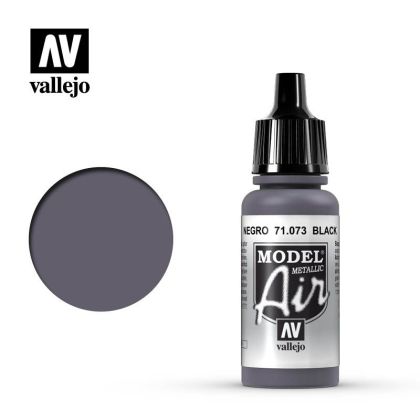
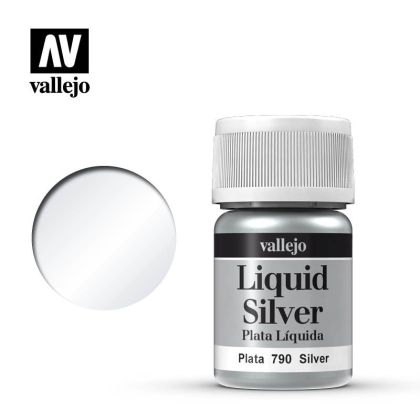
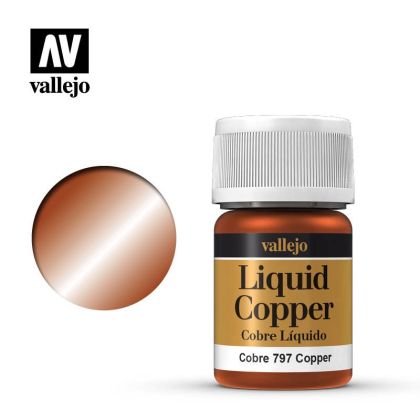
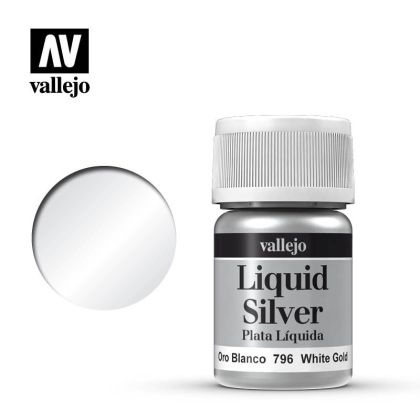
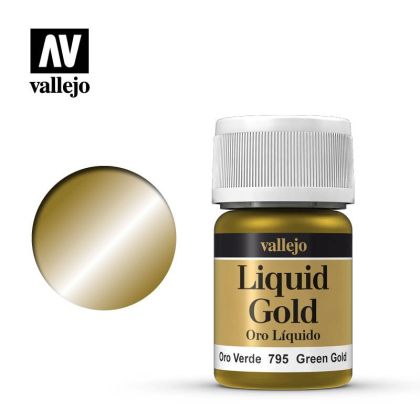
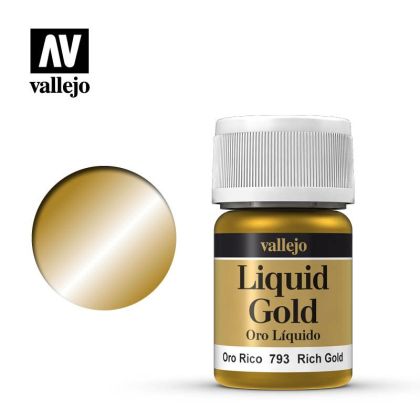
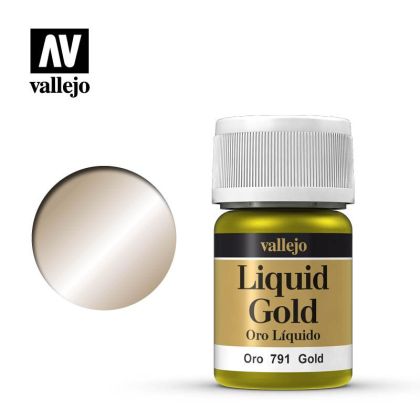
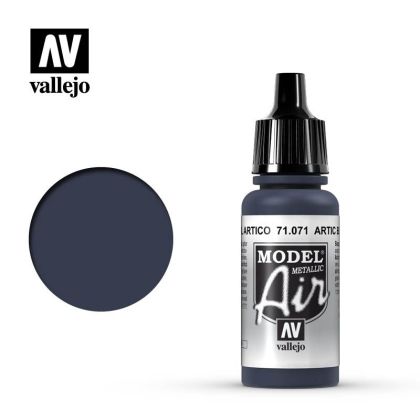
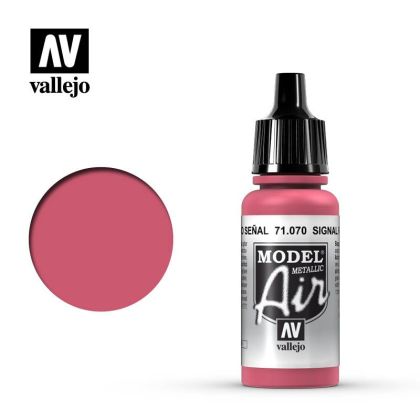
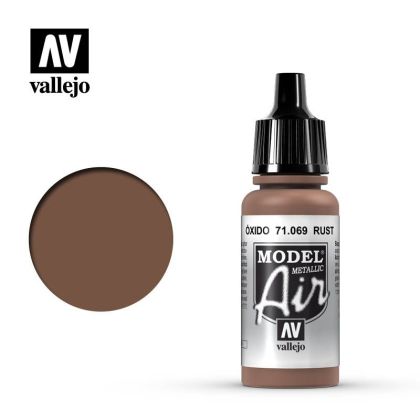
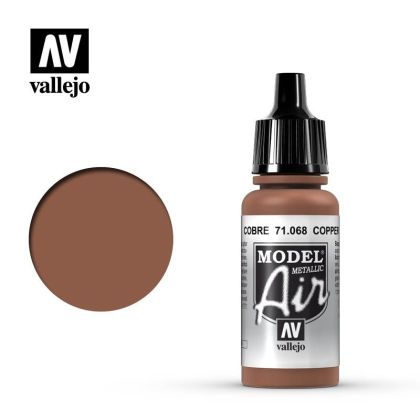
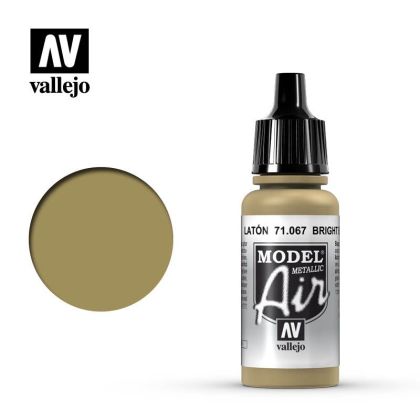
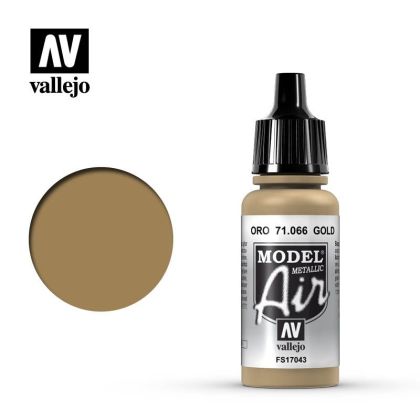
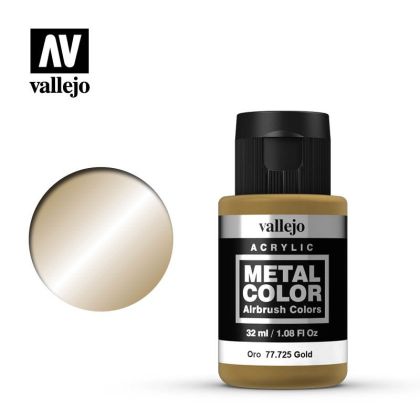
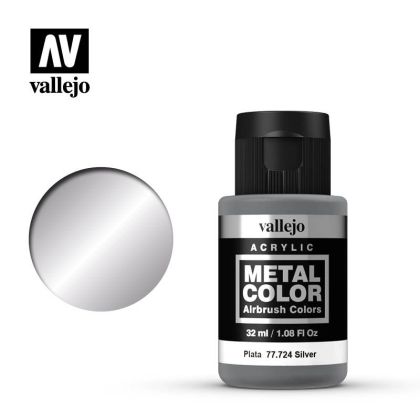
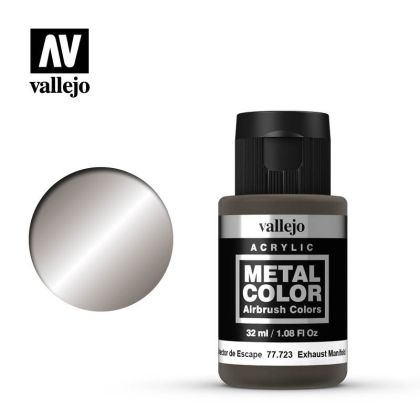
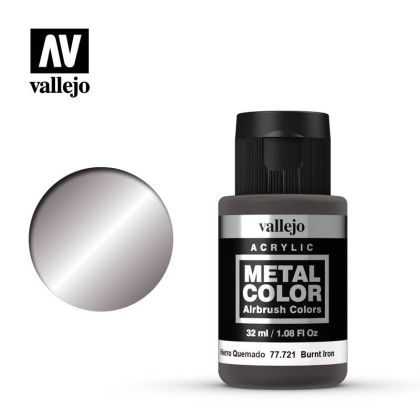
Vallejo metal shades sit on an acrylic base, so they brush and spray equally well and need no organic solvent at the bench. The range runs through silvers, golds from pale to red, copper, gunmetal and a set of colour-shifted metal tones for fantasy subjects, in several bottle sizes. The metal particles are milled fine enough that even a brushed coat reads as metal rather than as silver paste, which is the usual failing of water-based metals in general.
The main advantage is convenience: open the bottle at the table, work with a brush, rinse with water and skip the extraction entirely. What you give up is the mirror lustre a lacquer range can reach, and for that you need a solvent paint and a gun. For everything short of a bare metal airframe, the acrylic version does the job with far less preparation.
Shake the bottle hard before use, because metal pigment settles faster than colour pigment. Lay two thin coats with a fine point from model paint brushes rather than one heavy coat that would flood engraved detail.
For airbrush equipment, thin with an acrylic medium from thinners and cleaners. Plain water only goes so far: past a certain point the film breaks up and the pigment no longer lies evenly.
Metal shades are at their best on rubbed edges and chipped paint. Drag an almost dry brush along exposed corners and the impression of bare metal appears under the finish with no masking at all.
One habit worth keeping: never return a loaded brush to the bottle. Metal pigment carried back on the ferrule settles on the inside of the neck and the next bottle you open will have a crust in it. Decant what you need onto a palette and close the bottle while you work.
Acrylic metal is the usual choice on model figures, where the work is brushed and the metal detail is concentrated on equipment and weapons. Other metal ranges are in the parent category metallic model paints.