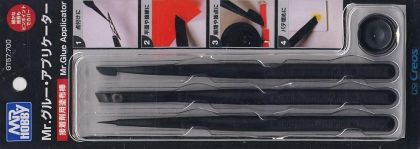
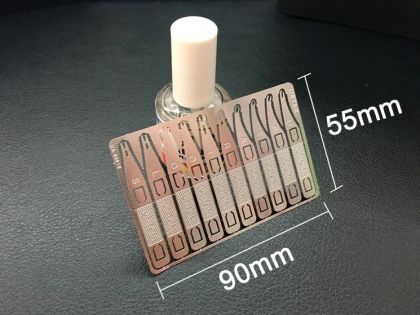
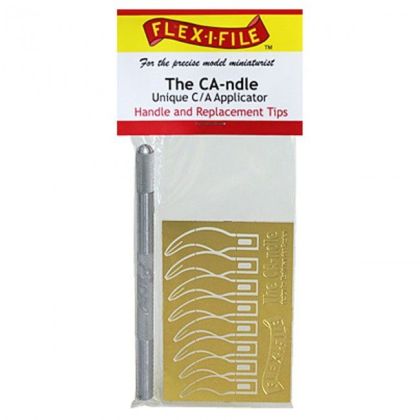
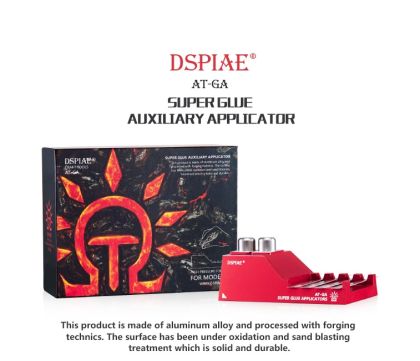
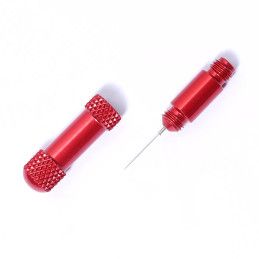
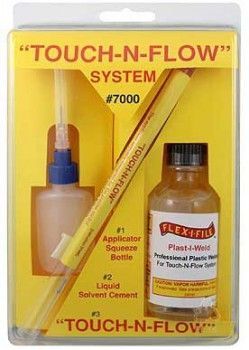
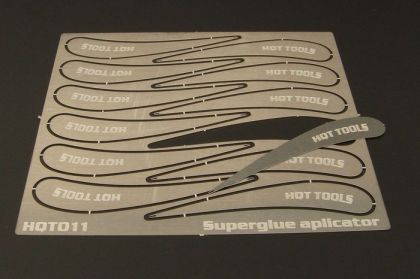
Glue applicators solve one specific problem: the brush in the bottle cap is too big for fine work and releases more than the seam can take. The category covers hollow metal applicators that load by capillary action and give back only a micro drop, refillable dispensers with a flexible tube that reaches where a bottle cannot be tilted, replacement micro tips for cyanoacrylate bottles, pipettes, and holders that keep the applicator to hand and stop it drying out between joints.
Most gluing accidents are not about the wrong adhesive but about how much of it arrived. Excess solvent cement etches the surface and leaves a glossy smear; excess cyanoacrylate goes white and hardens over the very detail you were protecting. An applicator lets you place a volume the size of a pinhead — and with it, most of the later sanding and touching-in simply disappears.
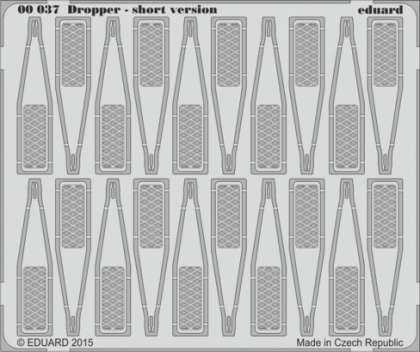
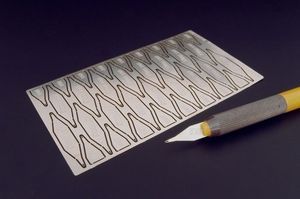
They work by capillary action: dip the thin tube into the adhesive, it holds a charge, and a touch transfers it into the seam. They are at their best with plastic cement and thin CA, because one load covers several points. Clean them after use with a product from thinners and cleaners, otherwise they block solid.
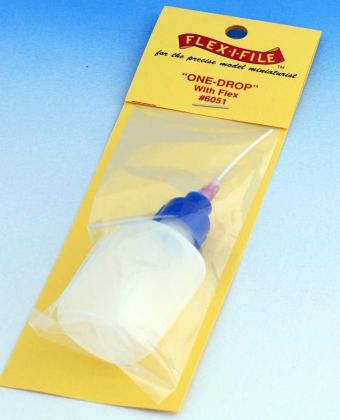
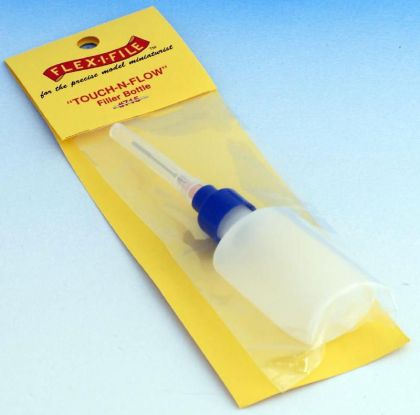
A small reservoir and a flexible spout, so you can reach into a spot you could never tip a bottle towards. They suit a longer seam where the glue should run continuously, and work inside a closed interior.
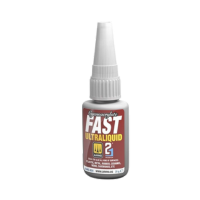
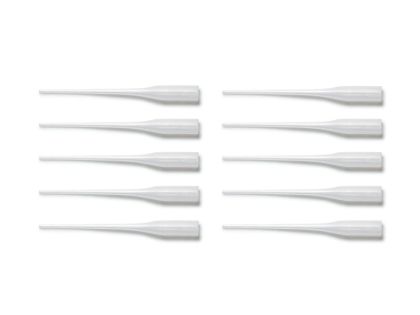
These push straight onto a CA bottle and shrink the outlet to a fraction of its original size. They are consumables — once a tip cures shut it is replaced, so they are bought several at a time.
A small thing that matters in practice. An applicator parked in a holder will not roll across the bench or bond itself to the surface, which with cyanoacrylate can save the bench top and an hour of work with it.
To place adhesive at a single point and lock it immediately, combine an applicator with an activator.