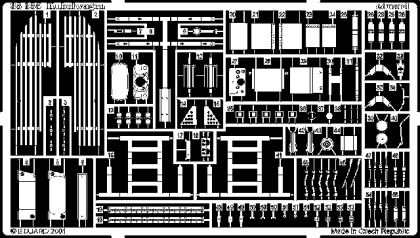
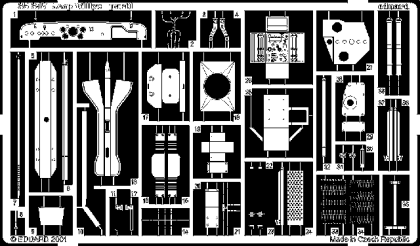
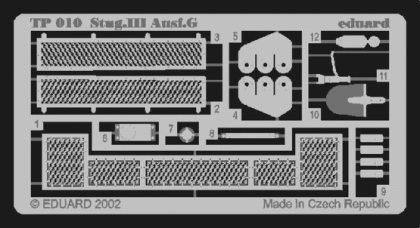
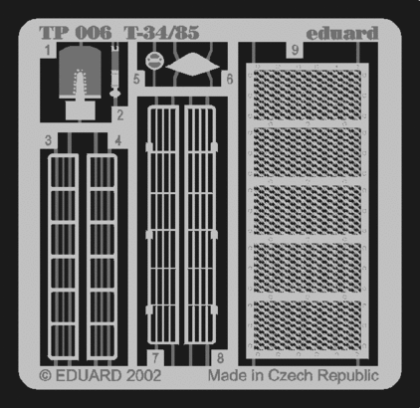
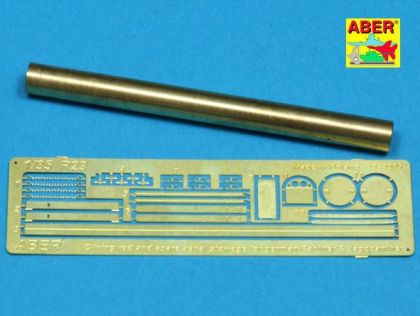
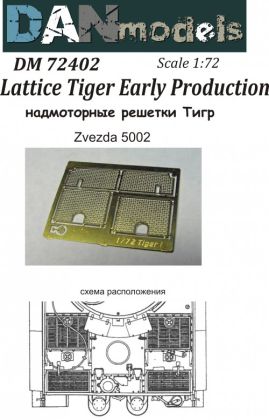
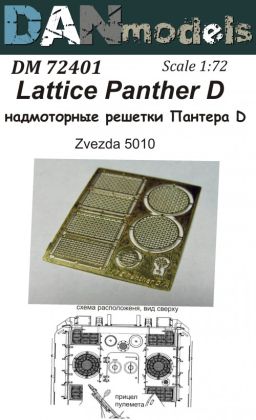
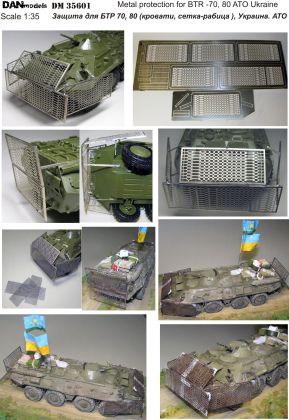
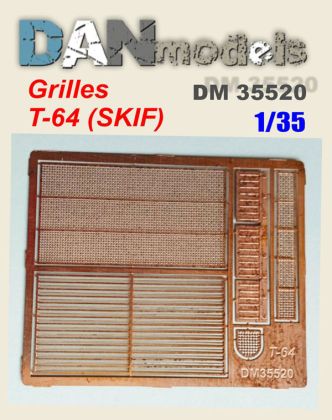
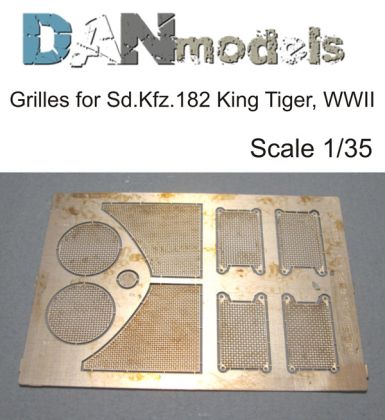
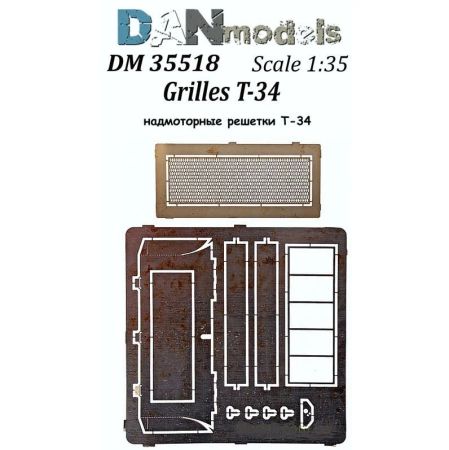
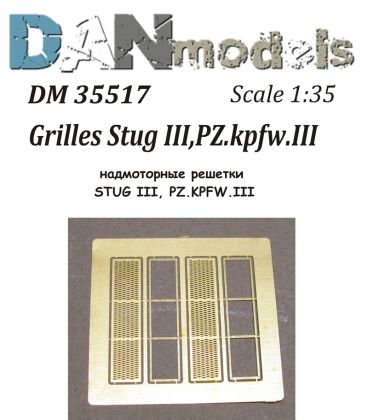
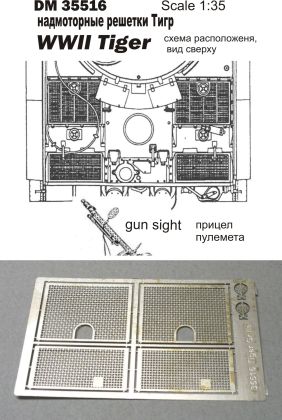
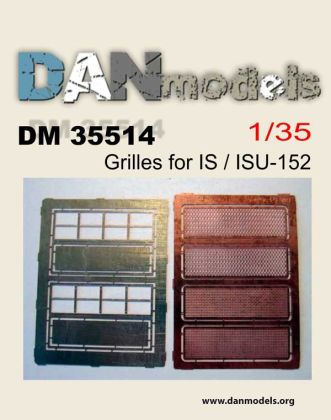
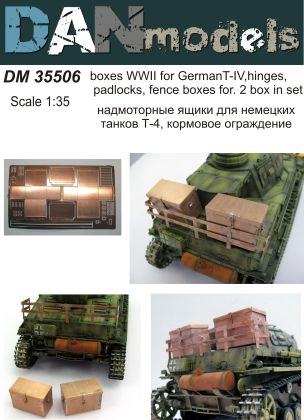
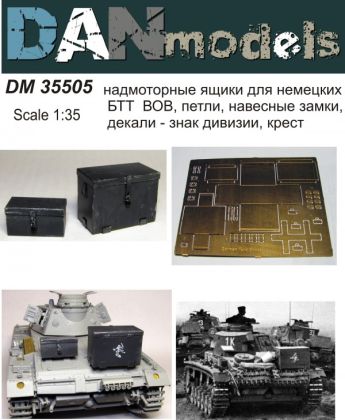
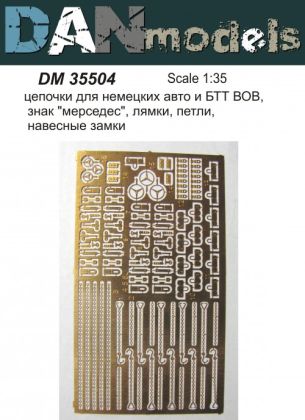
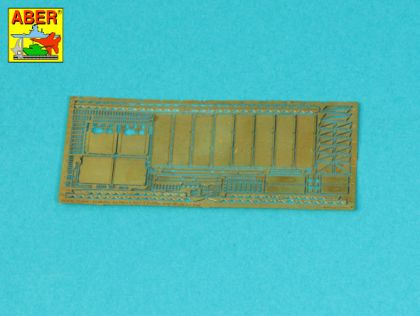
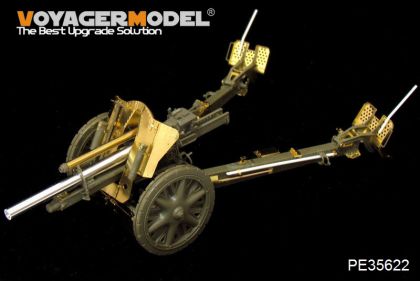
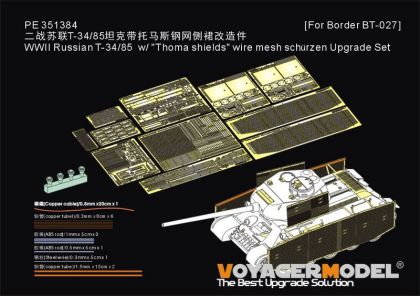
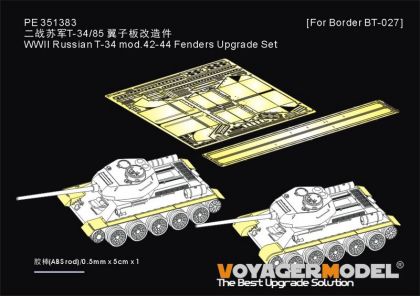
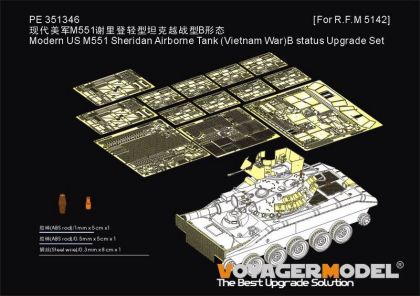
Photo-etched parts for military vehicle models supply detail injection moulding cannot: radiator grilles you can actually see through, thin mudguards, hinges on stowage bins and the slat armour of modern vehicles. Brass or steel sheet a few tenths of a millimetre thick reads correctly in scale where a plastic part stays visibly over-thick. Below we go through how to choose a set by scale and by how much work you want to put into the build, and what should be on the bench before the first fret comes out of its bag.
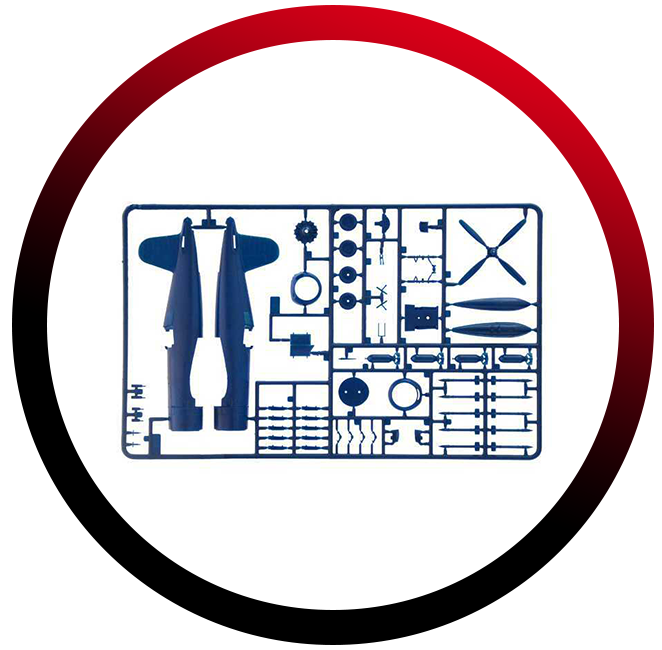
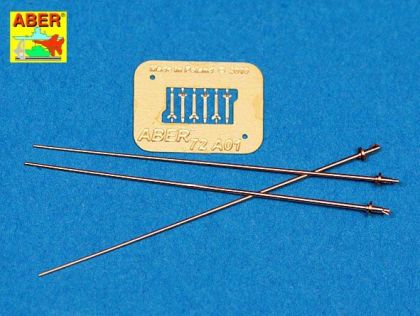
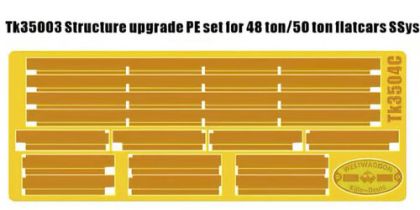
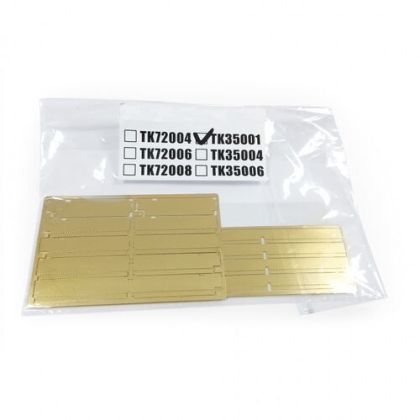
Photo-etched parts are made by chemically etching a pattern into brass or steel sheet. The result is a fret holding parts 0.1 to 0.3 mm thick, which you cut free with a scalpel and fold into shape. On military vehicles the most sought-after items are radiator grilles for Second World War tanks of the Tiger, Panther, T-34 and StuG III type, followed by mudguards, side skirts, exhaust covers, bin hardware and the slat armour of current armoured vehicles. There are also substantial upgrade sets for the railway wagons on which heavy armour travelled.
Etched sets are drawn for particular kits, because the dimensions of the same tank differ from one tooling to the next. Check which kit a set is designed for before ordering; only small items such as chain, hinges and padlocks are genuinely universal.
A single radiator grille is an evening's work and lifts the model immediately. A complete upgrade set replaces mudguards, tool clamps and bin fittings, adds tens of hours to the build and rewards you with competition-level detail.
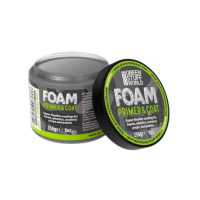
Cut parts on a hard surface with a fresh scalpel blade, fold them over a steel rule or in a bending jig, and glue with gel cyanoacrylate applied on a pin. Degrease and prime the metal before painting, otherwise the colour will peel at the first touch.
If you are still looking for the vehicle to lavish etch on, start with 1:35 military vehicle kits, where the choice of dedicated sets is widest.