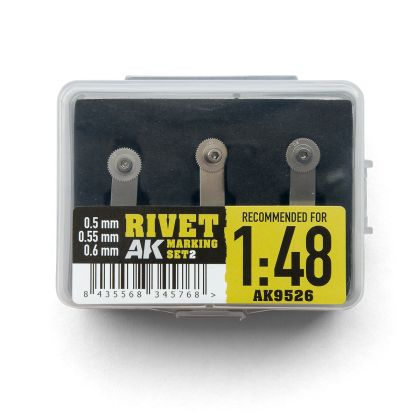
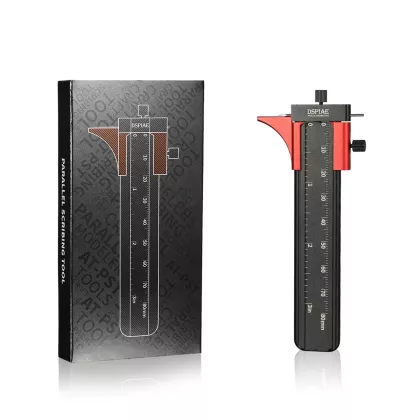
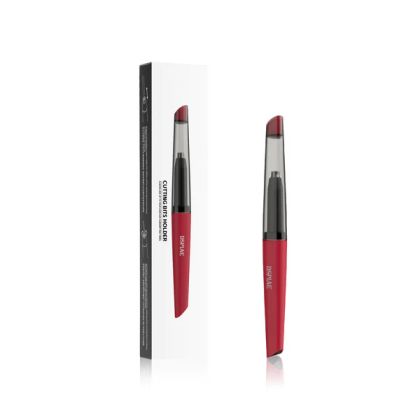
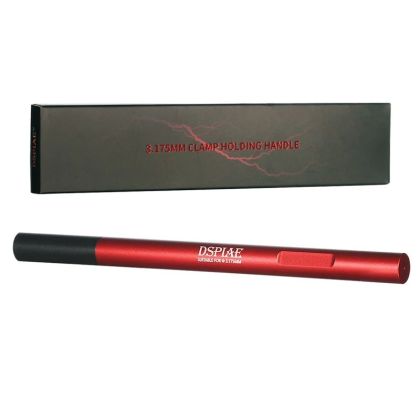
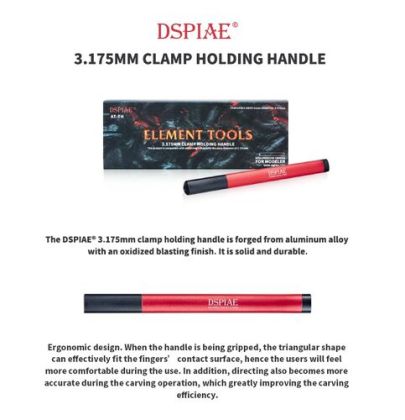
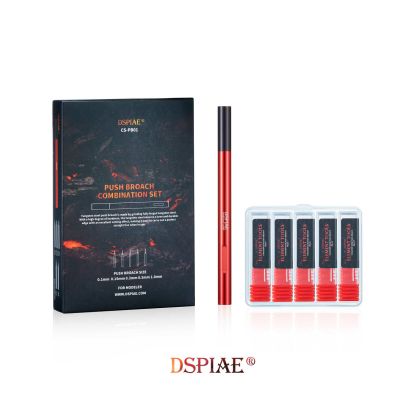
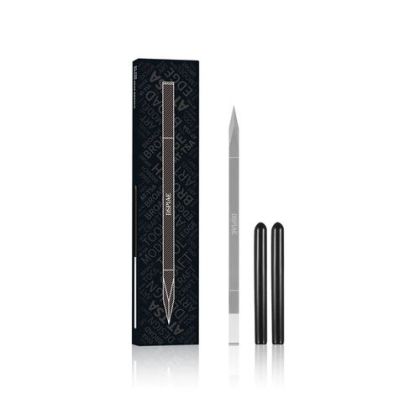
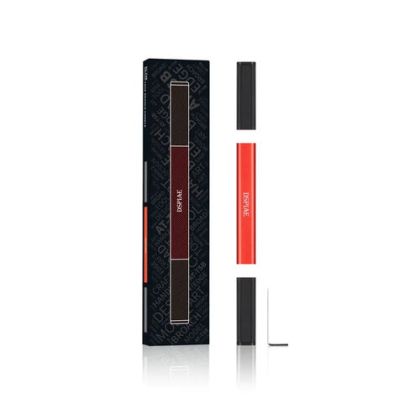
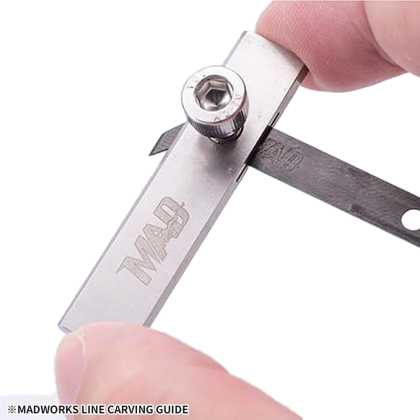
Panel lines are the joints between skin panels on the real machine, and on a model they are what gives the surface its sense of scale. The problem is that they disappear under filler and abrasive — and then they have to be put back. That is what this section is for: scribers with interchangeable tips in a range of widths, handles to hold them, guide templates and tapes that keep the tip on course, and riveters for producing an even row of rivets.
Two situations. The first is repair: after a seam has been sanded, a couple of centimetres of line are missing and have to be carried across so that both ends meet. The second is improvement: older kits often have raised lines instead of recessed ones, and converting them into recessed detail is one of the most visible upgrades you can make to a model.
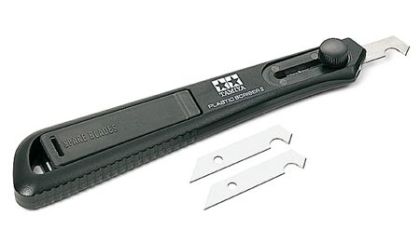
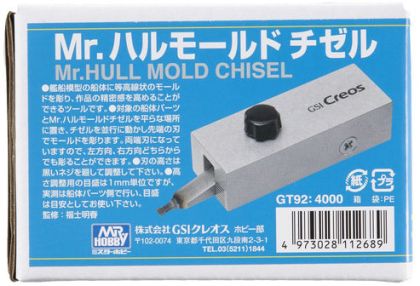
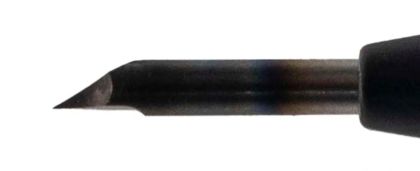
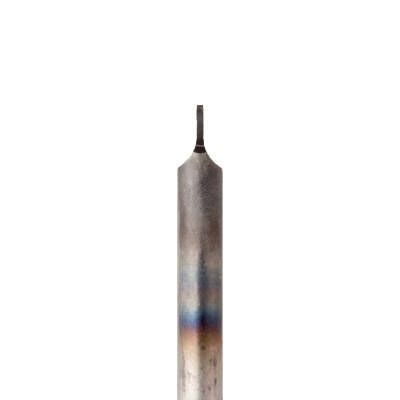
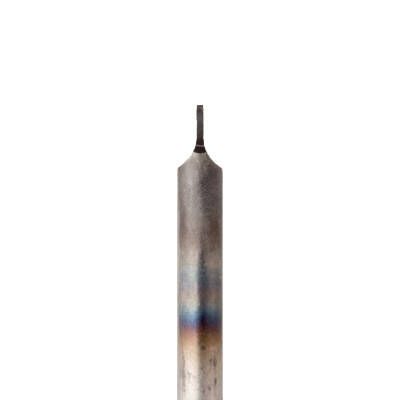
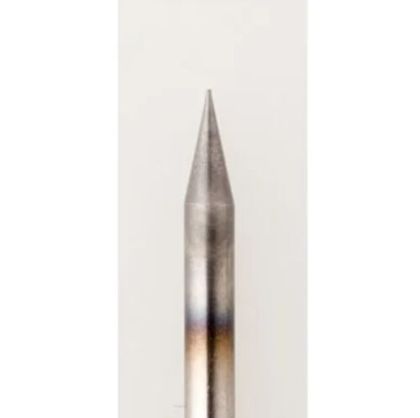
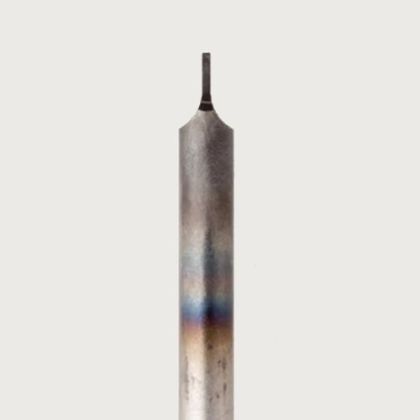
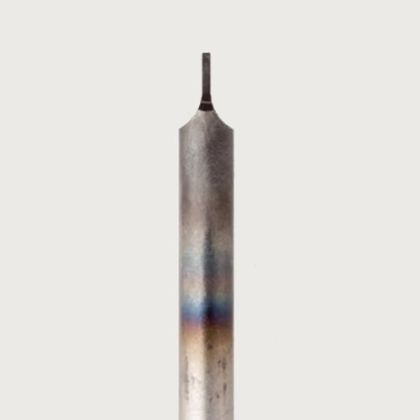
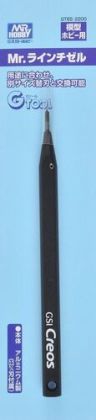
The primary tool. A tip is drawn across the surface and cuts a groove of constant width — available from hundredths of a millimetre for the smallest scales up to wider profiles for large models. The detail is in scribers and chisels.
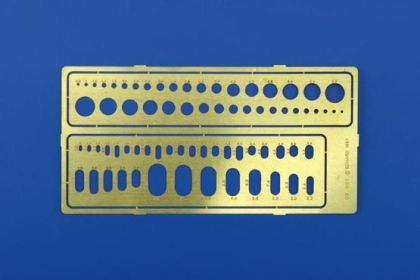
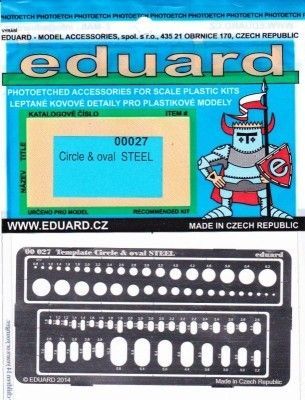
A scriber holds direction badly on its own, especially on a curved surface. A guide tape or a metal template gives it something to lean on and the line stays straight. Both are in templates and tapes.
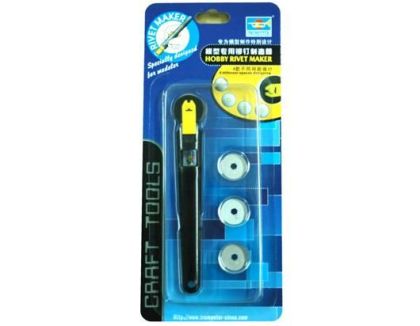
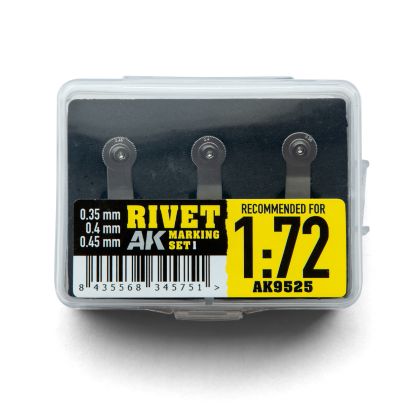
A toothed wheel or a point that produces a row of evenly spaced dimples. The pitch is chosen by scale — the detail is in riveters.
A line should be suggested, not ploughed. Make several passes with light pressure and add depth gradually. One heavy stroke ends in a wander, and the only repair is filler and a second attempt.
Tape or template has to be stuck down firmly and accurately, because a scriber goes wherever the guide lets it. On curved surfaces use a flexible tape that follows the shape.
When the work is done, clean the surface and lay on a thin coat from surfacers and primers. Only under one even colour can you see whether the lines are straight and equally deep.
Scribing only makes sense once filling and sanding are finished, so look into model building first and come back here afterwards.