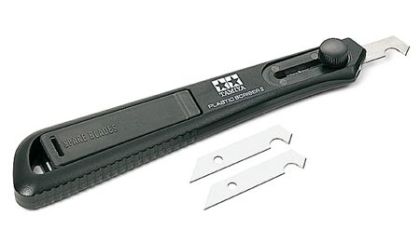
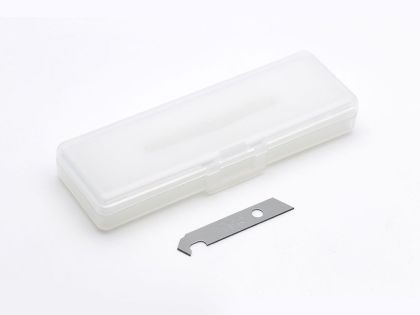
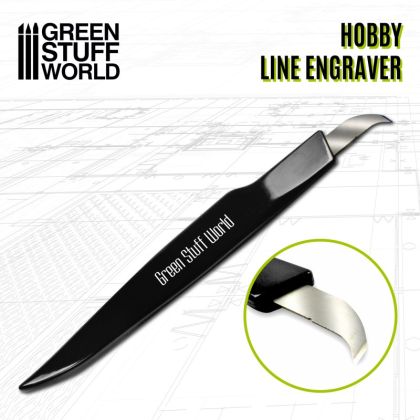
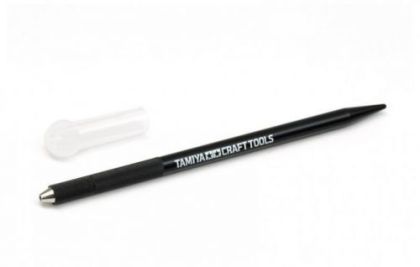
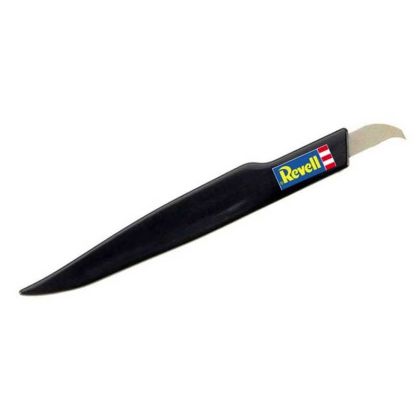
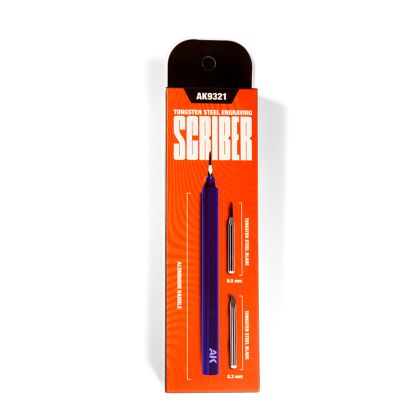
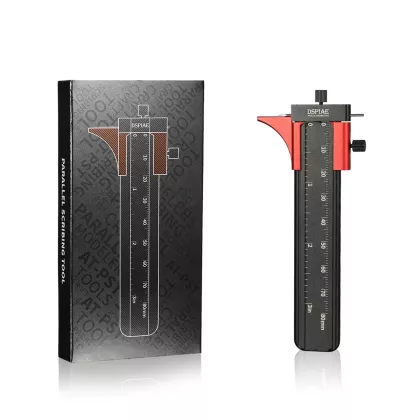
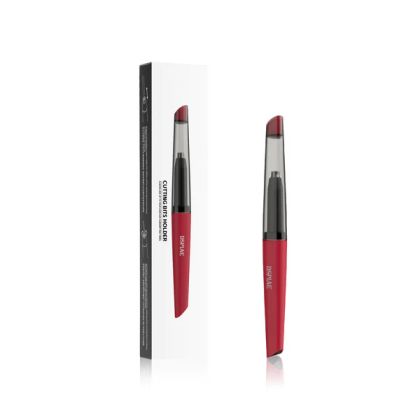
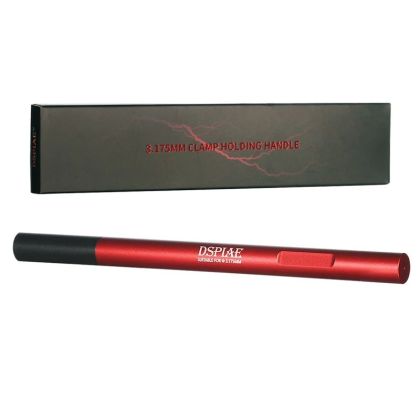
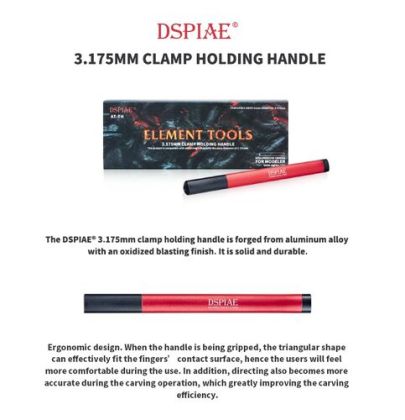
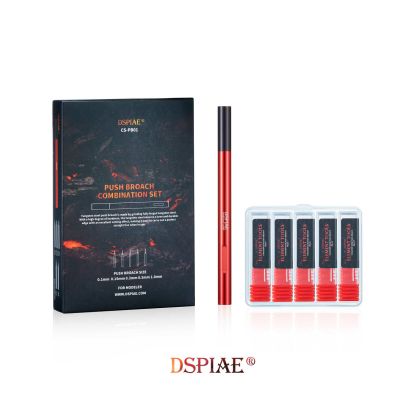
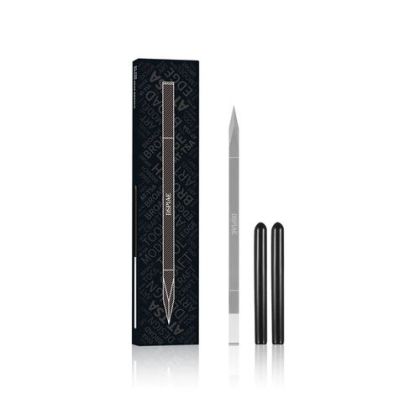
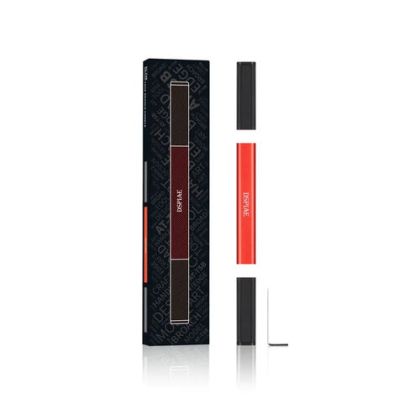
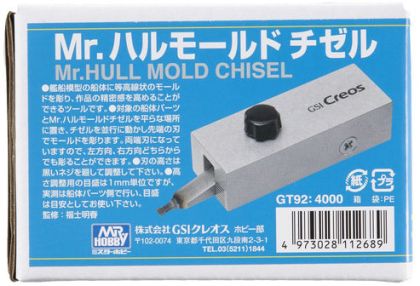
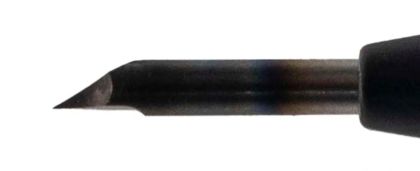
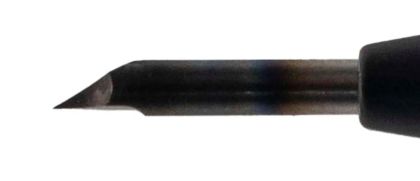
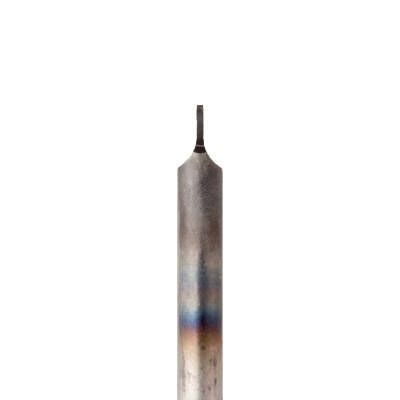
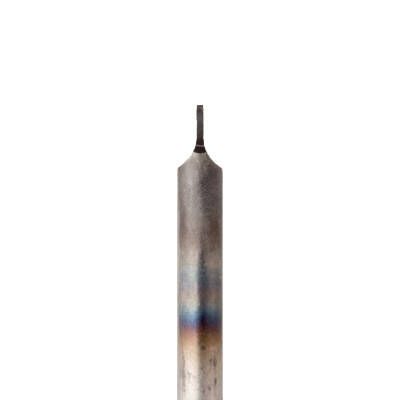
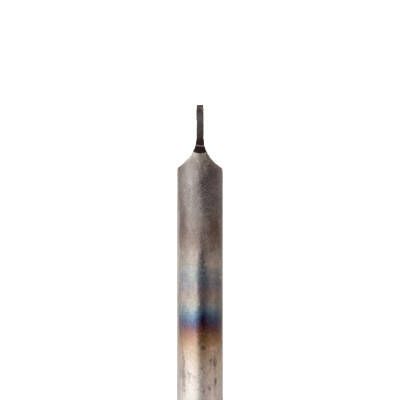
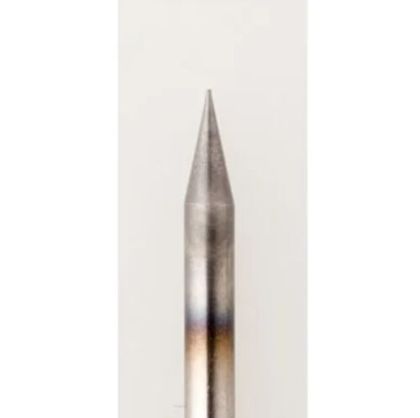
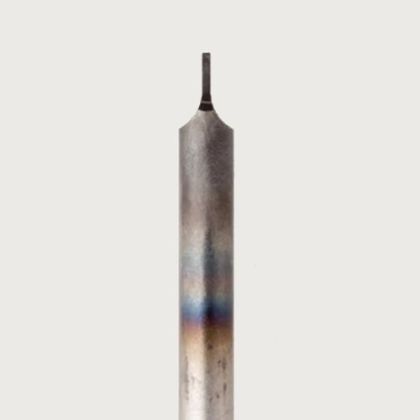
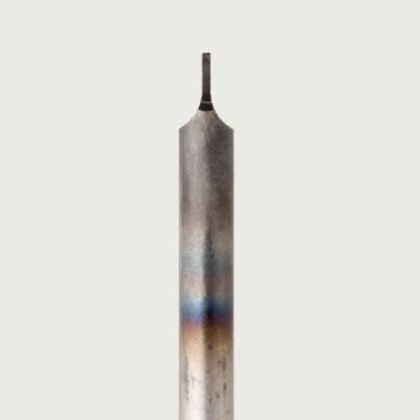
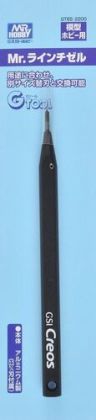
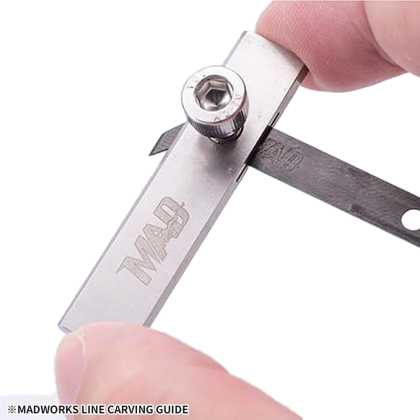
A scriber cuts a groove of a precisely defined width on a surface, which is exactly what restoring panel lines requires. There is no cutting through involved: the tip is drawn across the surface and lifts a thin shaving as it goes. The category offers interchangeable scribing tips in widths from hundredths of a millimetre, carbide pull scribers for hard materials, chisel tips with a wider edge for reworking a line, and holders with a clamping collet for comfortable work.
The tip is shaped like a hook or a keen edge that removes material as it is pulled. That is why a scriber is always drawn and never pushed forward — under a push the point skates and leaves its course. Done properly, the result is a shallow groove with clean walls and a small burr alongside it that is lightly sanded away.
This is the decision that matters most. Small scales need the finest tips, because a line that looks realistic at 1:32 would read as a crevice at 1:72. On large models you can afford a wider profile and a more pronounced result.
The finest tips serve for restoring original lines and for light marking out. Medium widths are for new lines and for rescribing kits with a weak surface. Wide chisel tips are used more for reworking and removing material than for the lines themselves.
Steel tips are adequate on styrene. Carbide holds an edge far longer and copes with cured filler, resin and hard compounds, where steel would be blunt after a few centimetres of line.
Set the tip at the end of the intended line and draw towards yourself with minimal pressure. The first pass only establishes the path; depth is added on the strokes that follow. Always work against a guide — either a flexible tape or a metal template from templates and tapes. Clear the burr from the finished line with a fine abrasive and check the result under a coat from surfacers and primers.
If the rivets are missing too, add them with a tool from riveters.