A scriber holds direction badly on its own — it needs something to lean against. That is the job of guide templates and tapes: adhesive tapes with a calibrated width that cling to a surface and form a firm edge, etched metal templates with straight and curved cut-outs, plates with angular guides, and templates carrying ready-made shapes so that a hatch, an oval window or a cut-out comes out the same every time. What you pick depends on whether the line is straight, curved or a closed shape, because no single guide covers all three.
A scriber tip always takes the path of least resistance. The moment it meets a small irregularity, or your hand changes pressure, the line wanders — and the only repair is filler and a fresh attempt. A guide prevents that mechanically: the tip leans on an edge that does not move, and the result is straight along its full length.
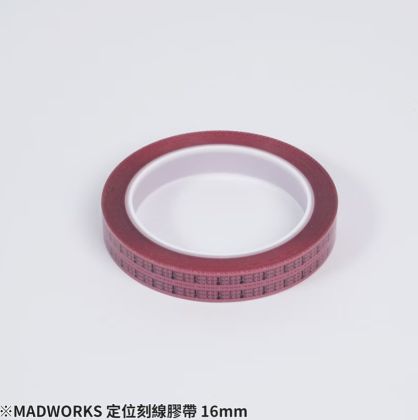
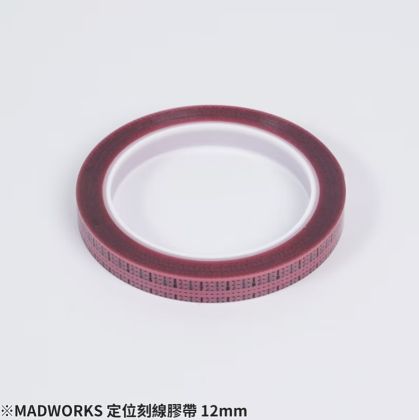
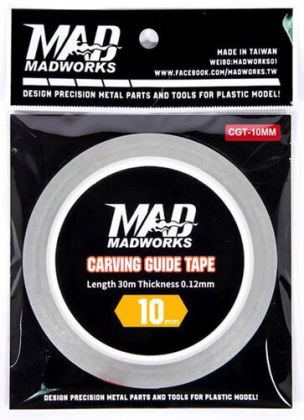
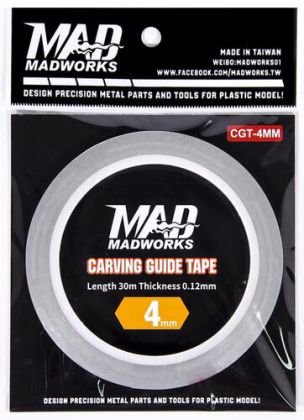
Adhesive tapes with a precisely calibrated width and a true edge. Unlike ordinary masking tape they are not frayed and they hold their shape. Their main advantage is flexibility: on a curved surface they follow the contour and the scriber has support even where a rigid template would touch at one point only. They are complemented by materials from masking tapes.
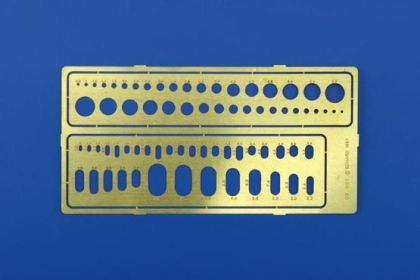
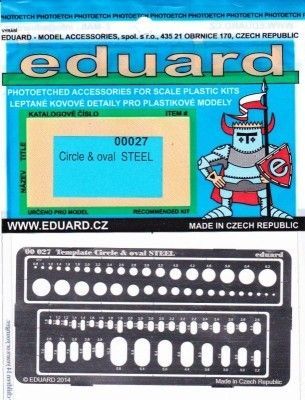
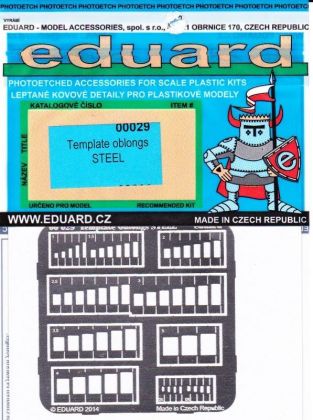
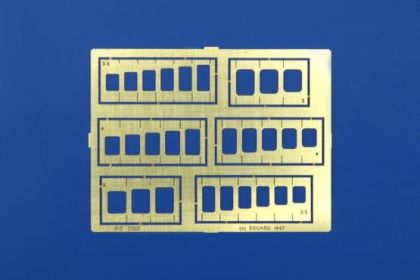
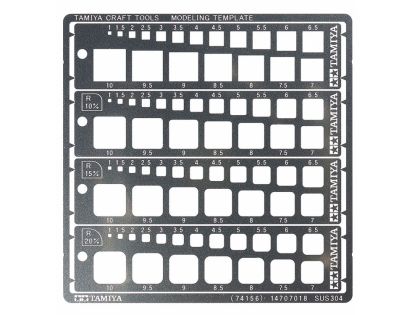
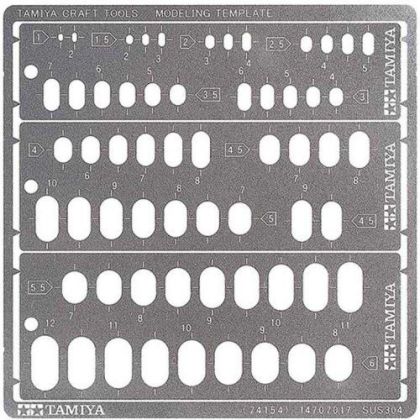
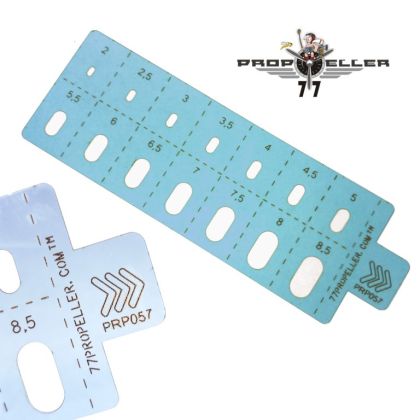
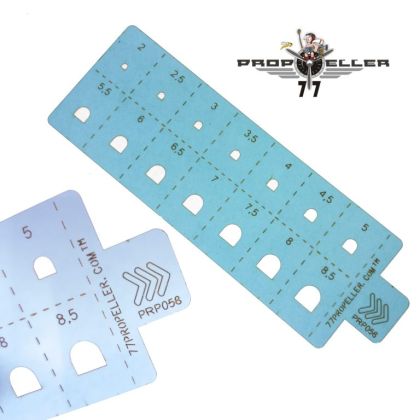
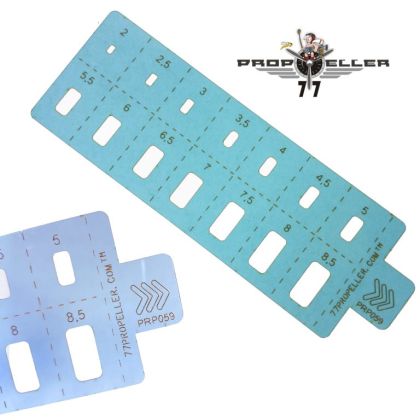
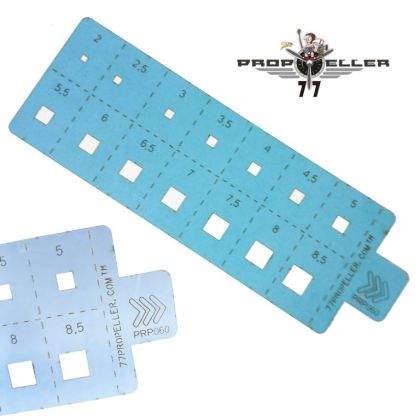
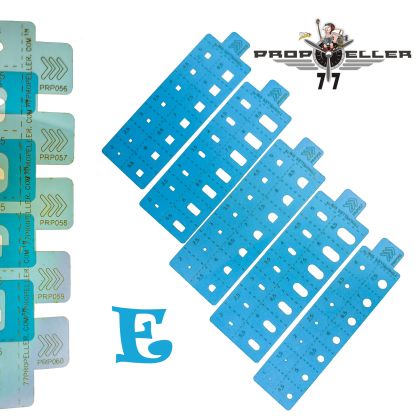
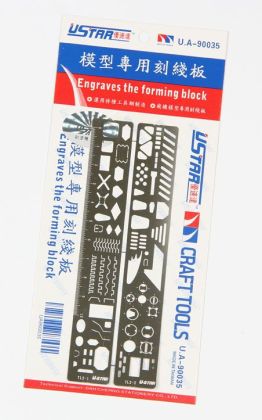
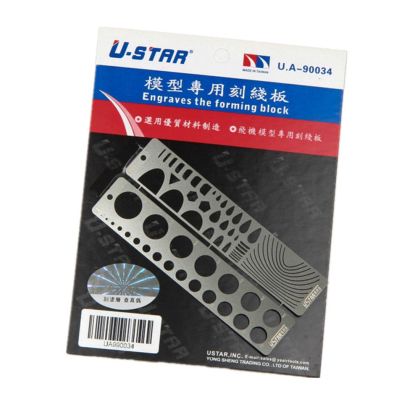
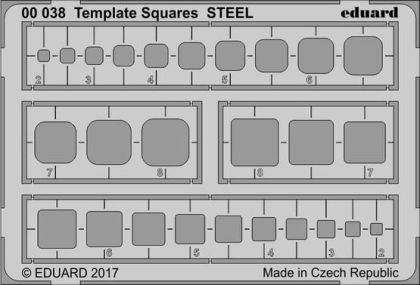
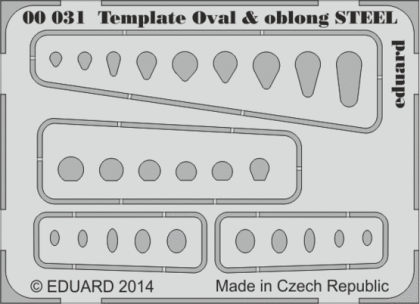
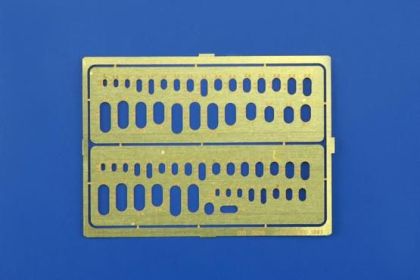
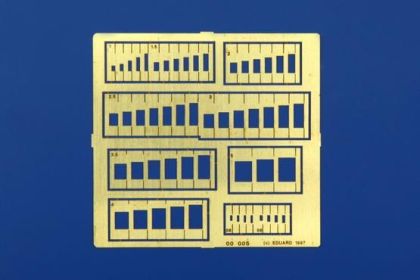
Thin sheets with etched squares, rectangles, ovals and circles in graduated sizes. Lay one on the surface, follow the opening with the tip and you have a shape that cannot be drawn freehand. They are used for hatches, service doors, windows and cut-outs.
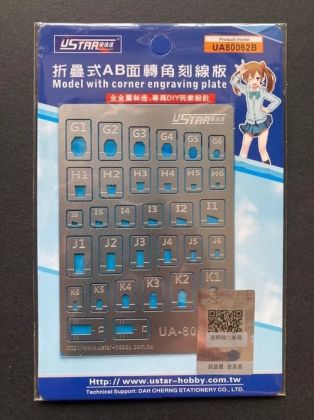
Plates with right-angled recesses and a grid, used to scribe parallel lines at a constant spacing or to keep a line square. They suit regular patterns on hulls and superstructures.
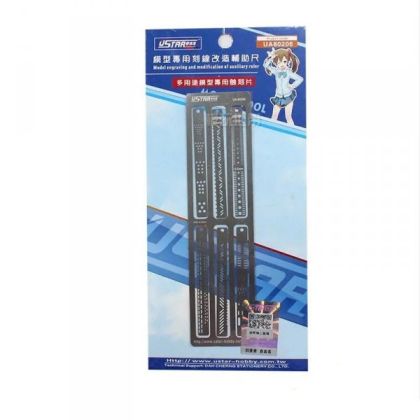
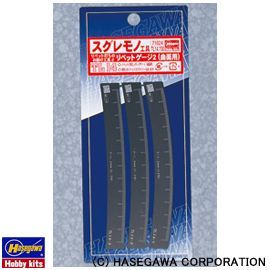
Aids with graduations for laying out rivets or checking their spacing. They work together with tools from riveters.
Stick tape down along its whole length and press it with a finger or a swab so no air is trapped beneath it. Run the scriber tight against the edge and make the first pass almost without pressure. With metal templates make sure they lie flat across their whole face — on a curve they cannot, and a tape is the answer instead. Lift the guide afterwards and clear the burr with a tool from sanding.
When a repeated opening should be stamped rather than scribed, a tool from punch and die sets fits better.