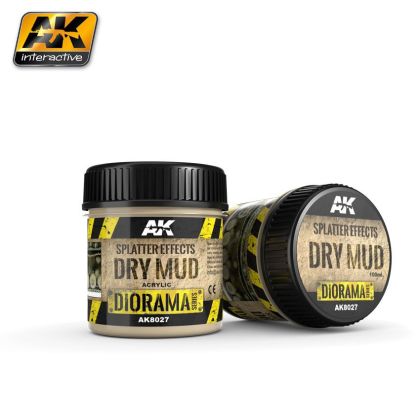
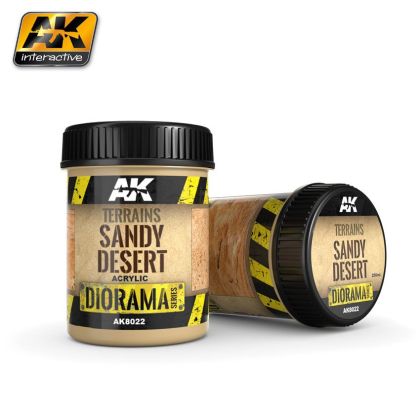
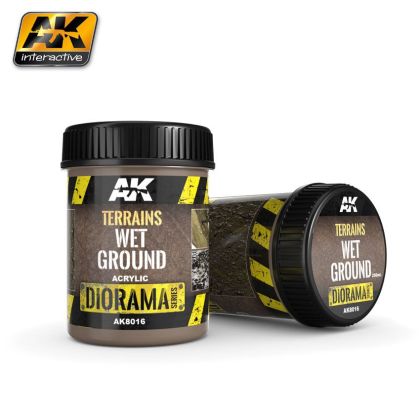
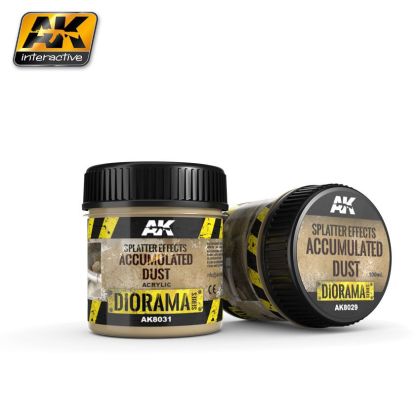
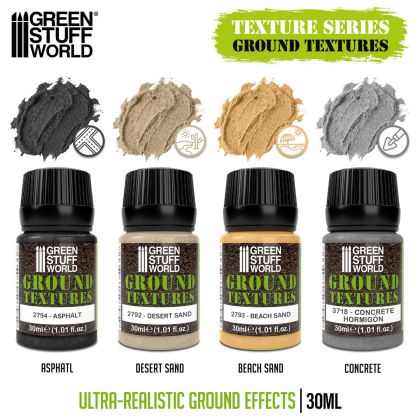
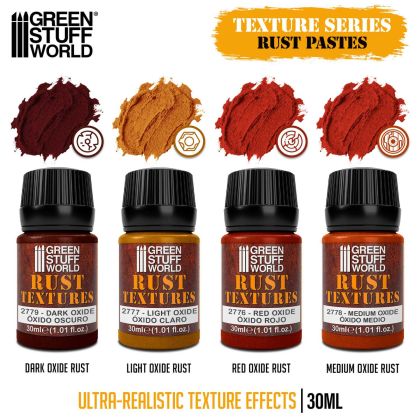
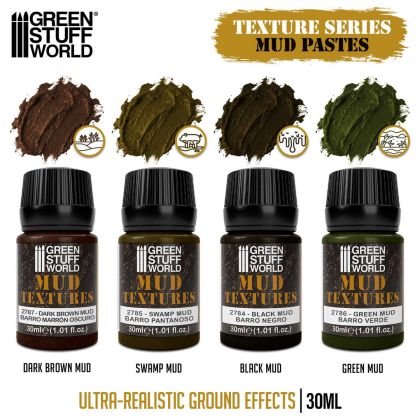
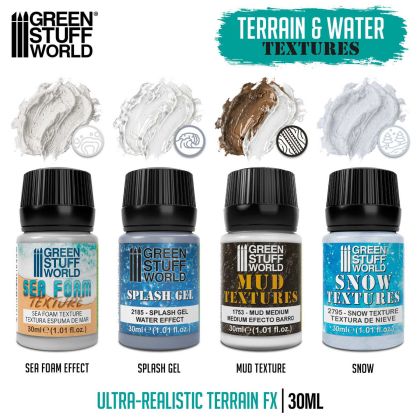
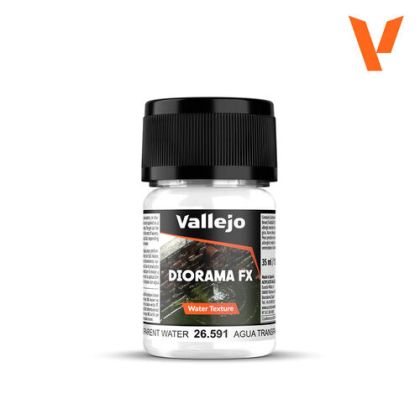
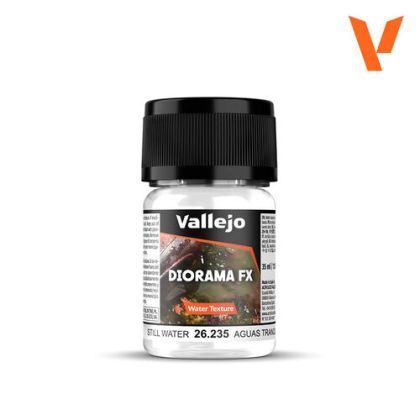
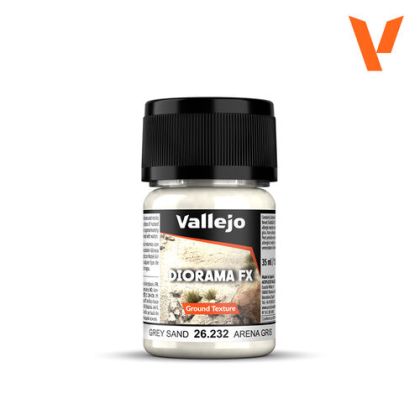
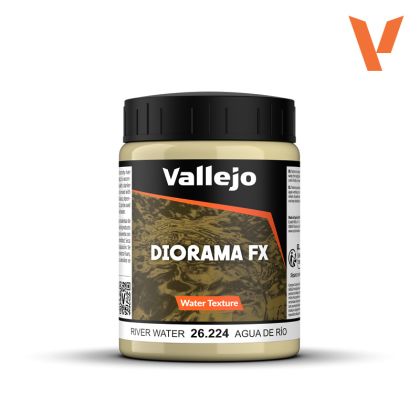
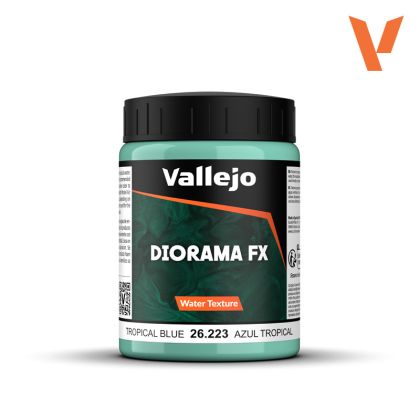
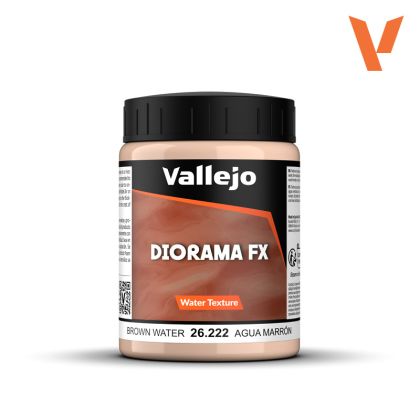
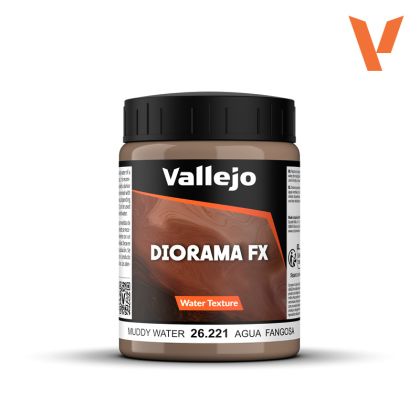
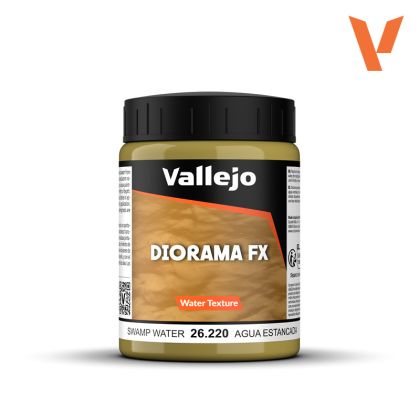
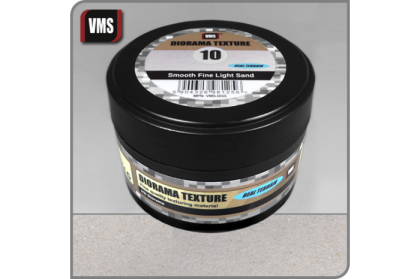
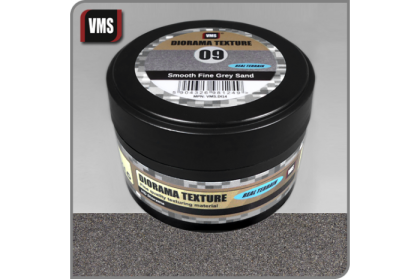
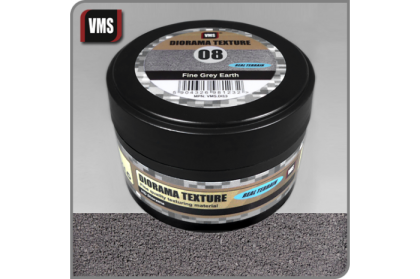
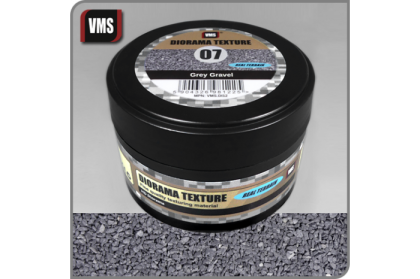
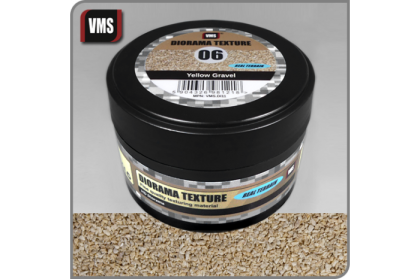
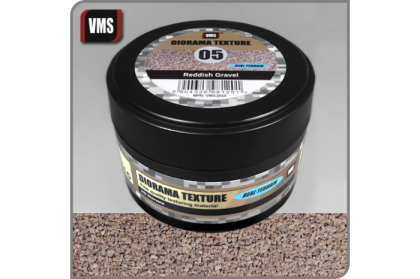
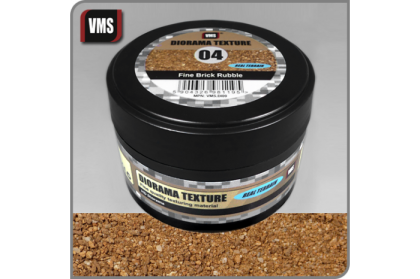
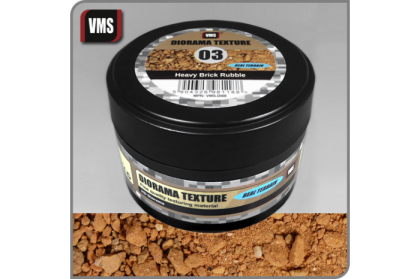
Texture pastes for dioramas are ready-made compounds applied with a spatula or an old brush that dry into the surface of soil, gravel, mud, rubble or standing water. There are fine sands and coarse brick grit, mud and rust textures, transparent gels and water textures in shades from tropical blue to muddy brown.
Below you will find how the pastes are applied, what they are tinted with, and the places where it is better to let another material do the job.
A texture is an acrylic compound loaded with a filler - sand, marble grit, fibres or microbeads. It goes onto the groundwork, keeps the mark of the tool that spread it, and dries hard enough to be sanded, painted and knocked back to matt. The advantage over loose material is simple: paste holds itself, needs no flooding with glue, and does not scatter across the whole bench. The drawback is that a layer dries from the outside and cracks if laid on thickly, so it goes on thin and in repeated coats.
Fine smooth pastes match trodden earth and dust in the smaller scales. A coarser grain with visible stones is gravel for 1:35; in 1:72 the same material would read as boulders. If you are unsure, spread a sample on an offcut of plastic and stand a figure next to it - the comparison settles it in seconds.
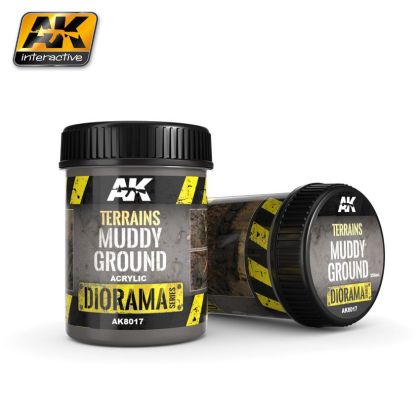
Earth textures are tinted only after drying and take a glaze or rubbed dust well. Mud pastes tend to be glossier and are used deliberately in ruts and under running gear. Brick and concrete grit belongs with ruins: apply it in irregular heaps, never as an even carpet.
Water textures suit puddles, wet ruts and shallow channels where poured resin would be overkill. Clear gloss gels are used as a final coat - once dry they even out the sheen and hold the impression of damp. For anything deeper, water effects poured into a tray are the better answer.
Always work in layers and give each one time, even when it looks finished on top. While the groundwork is still moving there is no point planting greenery or model figures, because any crack will pick exactly the spot where your best-painted figure is standing.