Radio-controlled cars are the most forgiving of all controlled models: the learning curve is short, they run all year, and a crash usually costs one part. The range brings together small scales for smooth surfaces, on-road models built after real racing and sports cars, and crawlers whose long travel and large wheels only make sense once the ground gets broken. Scales run from models that sit in one hand up to more substantial kits.
Below: why the surface matters more than the scale, what a larger model gains and costs, and what building from a kit gives you that a ready-to-run car does not.
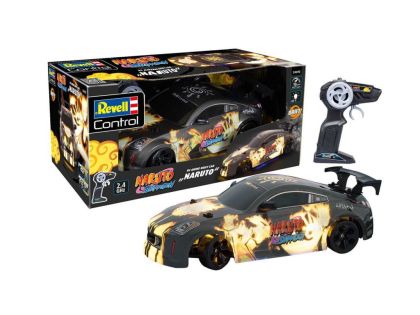
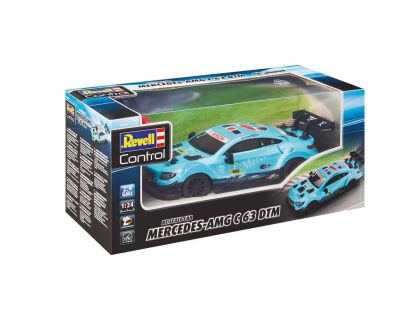
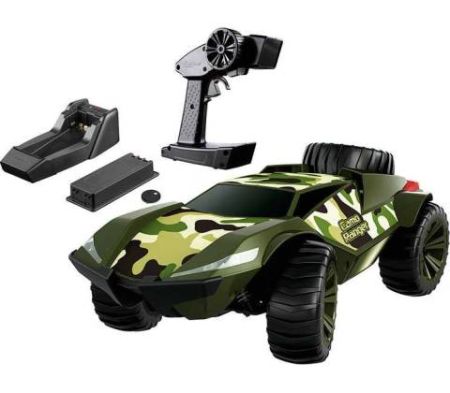
Controlled cars divide by where they are meant to run. On-road and racing models have low ground clearance, stiffer springs and tyres for smooth surfaces; on grass they stop within two metres. Crawlers are the opposite case: slow, but able to climb rocks and the edge of a kerb. Between the two sit general-purpose models for a made-up path or a worn trail.
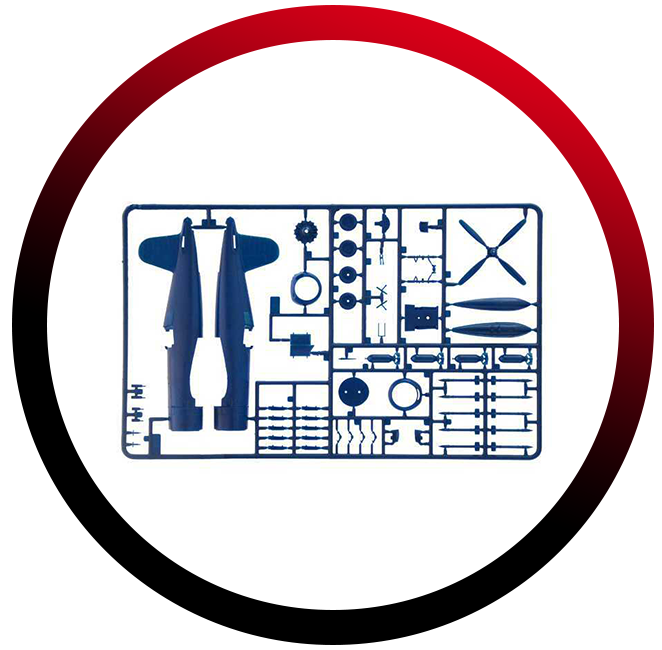
Part of the range arrives finished and ready to drive, part as a kit where you paint and assemble the body yourself.
A tarmac car park or a sports hall calls for an on-road model on smooth tyres. A garden, a forest track or a pile of rocks needs a crawler or at least a raised chassis. This decision matters more than scale or colour — the wrong car simply digs itself into the grass.
Smaller scales fit a flat and a hallway, run slower and survive contact with furniture. Larger scales are steadier outdoors, climb obstacles better and take harder treatment, but they need more room and their spares are a bigger commitment. For a child who wants to play on a carpet, the small scale is the sensible answer.
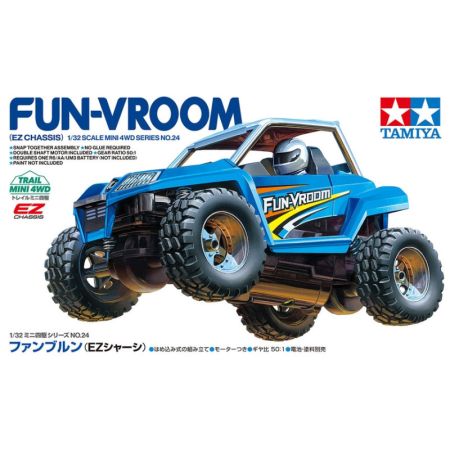
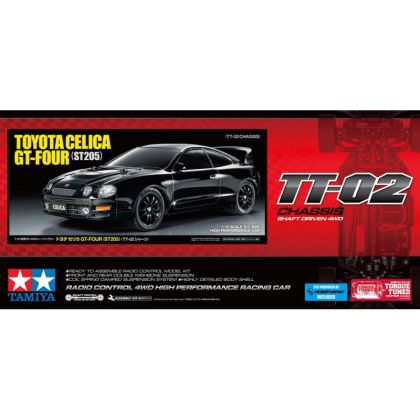
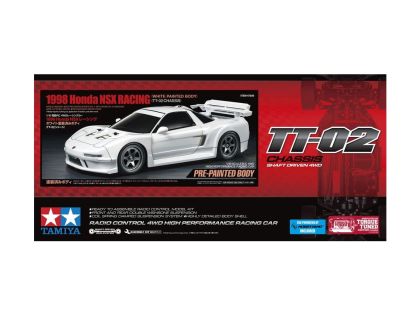
An RC car kit is proper modelling work: you assemble the chassis and the gearbox, paint a clear body from the inside and add the trim. The result is personal, and because you know how the car goes together you can also repair it. If you want to be driving this afternoon, look for a model supplied assembled.
For the same cars in a static but far more detailed form, see car and formula model kits. The tracked equivalent, also driven from a transmitter, is in tanks; the whole branch is summarised in RC models and chuck gliders.